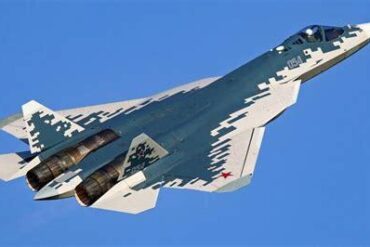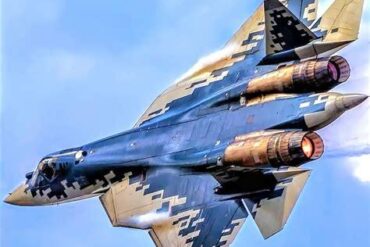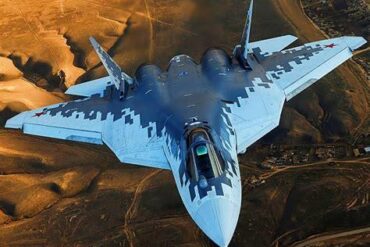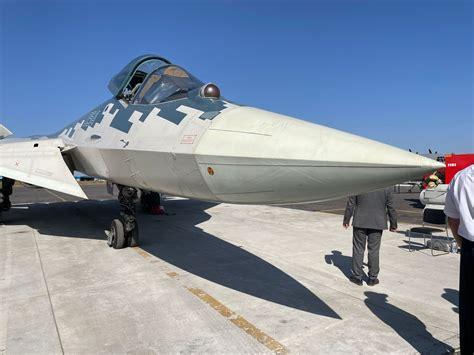
In a bold affirmation of its commitment to India’s defence modernization, Russia has extended a sweeping offer of technology transfer for its Su-57 fifth-generation fighter jet, signaling a landmark shift in global defence cooperation. This unprecedented proposal, which includes full access to stealth technologies, production licensing, and joint development of next-generation systems, marks one of the most comprehensive aerospace technology transfers ever offered by Moscow.
The announcement, made during the Dubai Air Show 2025, reaffirms the enduring strength of the Indo-Russian defence partnership, which spans over six decades. With this strategic move, Russia positions itself not only as a supplier but a collaborative partner in India’s push for self-reliance in defence manufacturing under the Atmanirbhar Bharat initiative.
Russia’s Offer: Full Spectrum Technology Transfer for Su-57
Speaking at the airshow, Sergey Chemezov, CEO of Russian state defence conglomerate Rostec, declared that all of India’s demands regarding the Su-57 were “completely acceptable.” This statement was reinforced by Vadim Badekha, Director General of the United Aircraft Corporation (UAC), who confirmed that Russian and Indian technical teams are already in close, continuous consultation.
The scope of the Russian proposal includes:
- Unrestricted technology transfer for the Su-57 stealth multirole fighter.
- Domestic production licensing and gradual indigenization of assembly lines in India.
- Licensing for weapons integration, allowing India to tailor the aircraft to its operational doctrines.
- Access to critical technologies such as low-observability airframes, engine systems, optronics, AESA radar, and artificial intelligence modules.
- The option to jointly develop a two-seat variant of the Su-57, catering to India’s training and command needs.
A New Chapter in Indo-Russian Defence Ties
India and Russia’s defence relationship is deeply rooted in trust and long-term strategic alignment. From the Cold War era MiG series to the contemporary S-400 Triumf air defence systems, Moscow has consistently backed India’s military modernization. Chemezov underscored this historical continuity by stating, “Even when India was under sanctions, we ensured their defence requirements were met.”
By offering production shift and licensing, Russia directly addresses India’s strategic need to bypass potential sanctions threats from the West. This geopolitical buffer is especially relevant in the wake of ongoing tensions between Russia and NATO-aligned nations.
Moreover, by proposing a joint manufacturing roadmap, the deal could catalyze India’s aerospace manufacturing ecosystem. Indigenous facilities would not only assemble aircraft but also manufacture core systems, potentially reducing lifecycle costs and enhancing logistical sovereignty.
Implications for India’s Air Power and Regional Deterrence
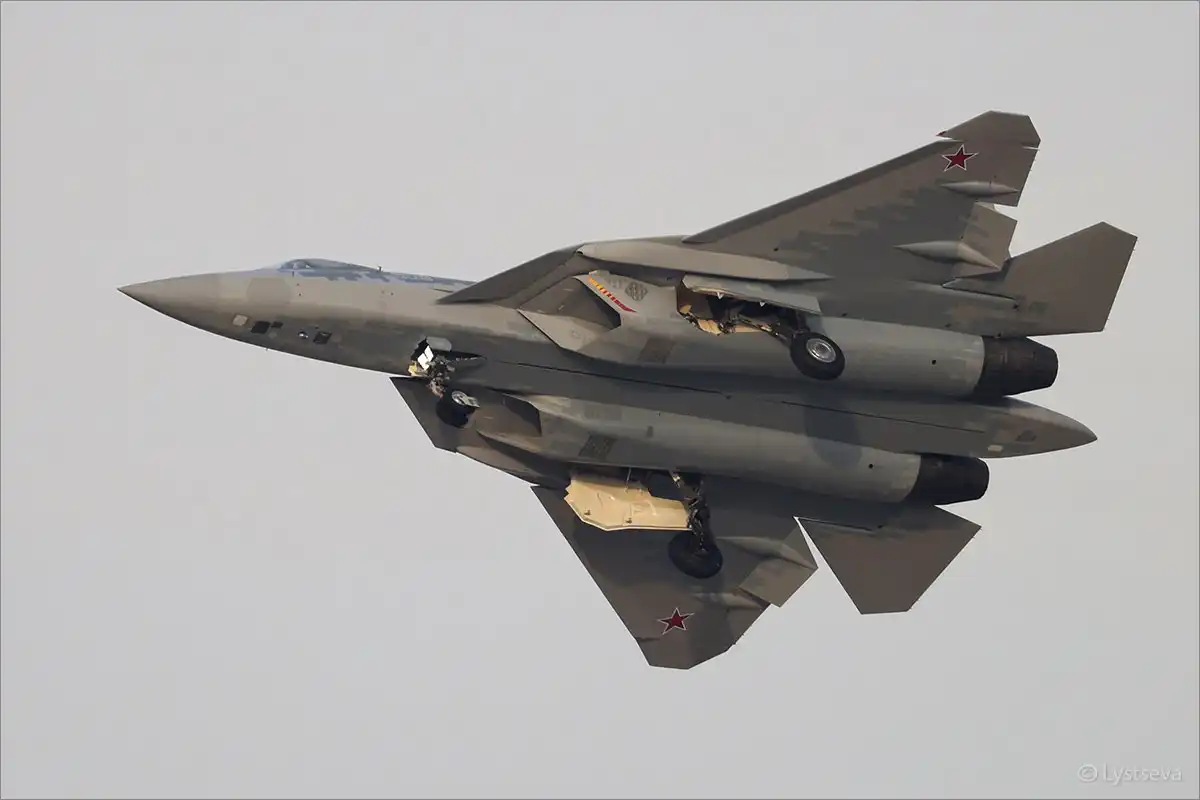
If India accepts the deal, the Su-57 would become the cornerstone of its future air combat doctrine. With stealth, supercruise, and network-centric capabilities, the platform fills a critical gap in India’s air force inventory, especially as the HAL AMCA project remains under development.
The Su-57’s features position it favorably against regional competitors. It offers:
- Reduced radar cross-section (RCS) via plasma stealth and radar-absorbent composites
- Supermaneuverability enabled by thrust-vectoring engines
- Multispectral sensor fusion for real-time battlefield awareness
- Internal weapons bays to maintain low observability
Furthermore, the potential integration of Indian-origin air-to-air and air-to-ground munitions would provide operational flexibility and reduce dependency on foreign armaments.
Strategic Timing: A Deal Framed by Diplomacy
The timing of the offer is diplomatically significant. It precedes Russian President Vladimir Putin’s scheduled visit to New Delhi next month, reinforcing strategic intent at the highest political level. The backdrop of External Affairs Minister S. Jaishankar’s meetings in Moscow, which included talks with Putin and Russian Foreign Minister Sergey Lavrov, indicates multi-layered alignment on defence and beyond.
Additionally, Nikolai Patrushev, Putin’s top aide, met Prime Minister Narendra Modi in New Delhi on November 18 to discuss broader maritime and connectivity cooperation, suggesting the Su-57 offer is part of a broader geostrategic partnership that also spans the blue economy and infrastructure corridors.
Road Ahead: Tech Sovereignty and Regional Leverage
Should the deal be finalized, India will not only acquire one of the world’s most advanced fighter jets but also assert greater control over its aerospace development roadmap. The emphasis on unrestricted access, licensing, and joint R&D opens pathways for integrating Indian software ecosystems, AI frameworks, and sensor technologies into future variants. This aligns with India’s ambitions to emerge as a global defence production hub, exporting to friendly nations while reducing reliance on Western platforms susceptible to political embargoes.
While negotiations are still underway, the Russian overture is the most comprehensive fighter jet collaboration proposal India has ever received. The extent of openness, transparency, and strategic foresight embedded in the offer reflects Moscow’s intent to elevate the Indo-Russian defence axis to a new era. India’s response—expected in the coming weeks—will determine whether this ambitious collaboration takes flight or remains an opportunity missed.