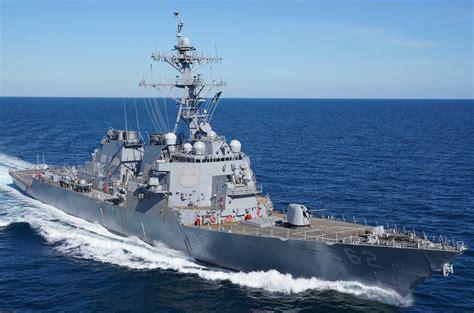
On July 23, 2025, a high-stakes naval confrontation unfolded in the Gulf of Oman when the Iranian Navy claimed to have intercepted the USS Fitzgerald (DDG-62), a U.S. Arleigh Burke-class guided-missile destroyer, in what Tehran described as a deliberate incursion into waters under Iranian surveillance. According to the Iranian state news agency Tasnim, the encounter began at approximately 07:30 GMT when the Fitzgerald allegedly approached an area closely monitored by Iran’s Third Naval District, prompting an immediate response.
Iranian Claims of a Direct Confrontation
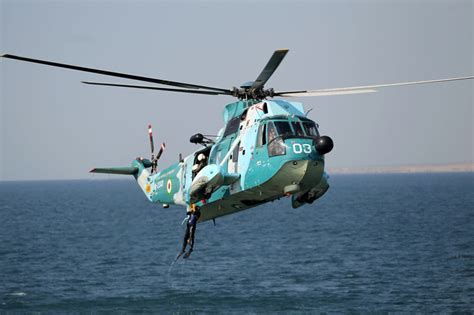
Iranian sources reported that a SH-3 Sea King helicopter was quickly dispatched to the destroyer’s vicinity, flying low over the vessel while issuing a series of radio warnings in English, demanding that the ship change course. Iranian footage, reportedly captured from the helicopter, showed the Fitzgerald at close range with audible commands warning against entering “Iranian-controlled waters.” According to Tehran’s narrative, the USS Fitzgerald threatened to engage the helicopter, leading to the activation of Iran’s integrated air defense system, which declared the aircraft fully protected and issued an ultimatum for the destroyer to vacate the area.
Iranian officials claimed that, following this display of force, the Fitzgerald altered its course to the south and withdrew. Iranian television broadcast the encounter, framing it as a victory for Iran’s naval forces and an assertion of sovereignty in the region. State media emphasized that this was the first direct confrontation between U.S. and Iranian forces since the June 2025 12-day conflict between Iran and Israel, during which the U.S. conducted an airstrike on Iranian nuclear infrastructure.
U.S. Denials and Official Response
U.S. Central Command swiftly rejected the Iranian account, describing the event as a “safe and professional interaction in international waters.” A U.S. defense official, speaking to Reuters on condition of anonymity, stated that the Fitzgerald had been conducting a routine mission, denied any threat was made toward the helicopter, and dismissed Iranian assertions as “misinformation by the Islamic Revolutionary Guard Corps.”
The U.S. also clarified that the Fitzgerald never entered Iranian territorial waters and that its crew adhered to standard operating procedures. Naval experts, including Afshon Ostovar of the U.S. Naval Postgraduate School, characterized Iran’s use of a single helicopter as consistent with previous harassment tactics, designed to test U.S. responses and bolster domestic propaganda rather than represent a credible military threat.
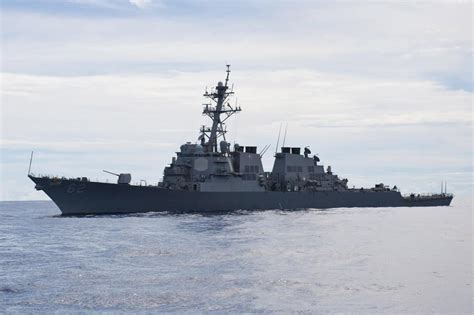
USS Fitzgerald: A Heavily Armed Naval Powerhouse
The USS Fitzgerald (DDG-62), commissioned in 1995, remains one of the most versatile and heavily armed vessels in the U.S. Navy. As a Flight I Arleigh Burke-class destroyer, it boasts a full-load displacement of approximately 8,900 long tons, a length of 154 meters, and a beam of 18 meters, capable of exceeding 30 knots. The Fitzgerald features advanced sensor suites, including the AN/SPY-1D phased-array radar, AN/SPS-67 surface search radar, and AN/SPS-73 navigation radar, along with robust anti-submarine capabilities via the AN/SQQ-89 combat system.
Its armament includes a 5-inch Mk 45 naval gun, 90 vertical launch system cells for Tomahawk cruise missiles, Standard surface-to-air missiles, and ASROC anti-submarine rockets, as well as Phalanx CIWS, Mk 38 25 mm chain guns, and torpedo launchers. Additionally, the ship supports MH-60R Seahawk helicopters for surveillance and anti-submarine warfare. In early 2025, the Fitzgerald became the first U.S. destroyer to integrate Enterprise Remote Monitoring Version 4 (ERM v4), an AI-driven platform for predictive maintenance, marking a major step toward advanced naval automation.
Context: Rising Tensions After June 2025 Conflict
This maritime standoff comes amid heightened tensions following the June 2025 war between Iran and Israel, during which the U.S. carried out airstrikes on Iranian nuclear facilities, damaging infrastructure at the Fordow site. In retaliation, Iran launched missile strikes against the Al Udeid Air Base in Qatar, briefly disrupting U.S. operations. Iranian President Masoud Pezeshkian has since reiterated Tehran’s commitment to its nuclear program, describing it as entirely civilian in purpose while vowing readiness for a potential future conflict.
Iran’s military has ramped up its defense budget, nearly tripling expenditures to $46 billion, with a focus on strengthening the Islamic Revolutionary Guard Corps (IRGC). The Iranian Parliament recently passed legislation enabling the use of blocked foreign assets for military spending and prioritizing sustained readiness for prolonged conflict. Military leaders have openly declared their capacity to endure a decade of war if necessary.
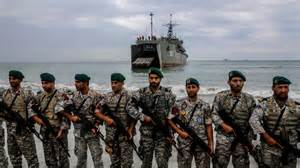
Strategic Significance of the Gulf of Oman
The Gulf of Oman is a vital maritime chokepoint connecting the Arabian Sea to the Strait of Hormuz, through which nearly 20% of global oil trade passes. Its strategic importance makes it a frequent flashpoint between Iranian forces and U.S.-led naval coalitions. Past incidents include Tehran’s 2023 claim that a U.S. submarine surfaced in the Strait of Hormuz, an allegation denied by Washington, and several close encounters involving IRGC fast-attack boats and U.S. vessels.
This latest event reflects Iran’s broader strategy of using symbolic shows of force to project deterrence while challenging Western military presence in its near waters. For Washington, maintaining freedom of navigation in international waters remains a cornerstone of its regional policy, especially as tensions over Iran’s nuclear ambitions and missile program persist.
Conclusion: A Continuing Pattern of Maritime Tension
While no injuries or damage were reported in this latest encounter, the USS Fitzgerald incident underscores the ongoing risk of escalation in the Gulf of Oman. The proximity of U.S. and Iranian forces, combined with competing interpretations of maritime jurisdiction, continues to create a volatile environment ripe for miscalculation.
For Iran, broadcasting this incident serves domestic and regional messaging goals—portraying itself as an assertive guardian of sovereignty. For the U.S., denying Iran’s claims reinforces the narrative of operational professionalism and adherence to international law. As both sides remain entrenched in their positions, this confrontation joins a growing list of maritime flashpoints that highlight the fragile security dynamics of the Persian Gulf region.