Japan’s recent move to recalibrate its outbound travel preferences—alongside Canada, Mexico, Germany, the United Kingdom, Spain, South Korea, and Australia—marks a significant, though understated, shift in global tourism dynamics. These countries, without fanfare, are discouraging trips to the United States in favor of destinations perceived as easier, safer, and more predictable. It’s a shift that might seem subtle, even coincidental. But it isn’t.
A Silent Retreat from U.S. Tourism
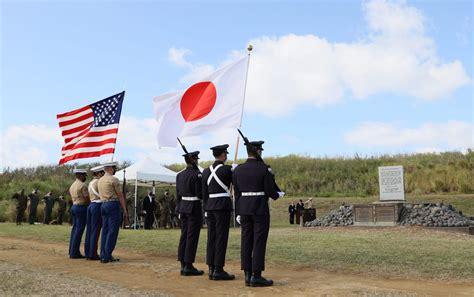
The latest advisory from Japan is emblematic of growing unease. It doesn’t come in the form of a travel ban or high-alert warning. Instead, it offers calm but clear language, advising citizens to stay vigilant in public spaces, avoid large crowds, and remain aware of local U.S. laws and emergency systems. This change in tone, issued by a government known for its reserved diplomatic style, speaks volumes.
What elevates Japan’s caution above similar advisories is its weight in the global tourism economy. Japanese travelers are known for their high-value spending, cultural engagement, and preference for luxury and educational experiences. Their absence—or even hesitation—affects not just tourism receipts but also the prestige attached to hosting a discerning travel market. When Japan pauses, the world pays attention.
The Safety Gap That Won’t Close
For Japan and others, safety is more than rhetoric. In a society where gun violence is virtually nonexistent and public order is tightly maintained, America’s increasing reports of public shootings, mass casualty events, and hate crimes create a jarring contrast. These fears are not abstract; they are culturally grounded and statistically informed.
Recent data supports the concern. U.S. cities have seen a surge in gun-related incidents, with 2024 marking a grim milestone in mass shootings. Japan’s Ministry of Foreign Affairs explicitly cites this as a reason for the updated advisory, alongside the unsettling rise in hate crimes targeting Asian individuals. These alerts are mirrored in Germany, Australia, and the UK—each referencing specific dangers that differ from the general risks of international travel.
Diplomacy in Action: Why Japan’s Advisory Speaks Louder
Japanese officials did not recommend cancelling travel altogether. But the advisory emphasized a number of culturally and legally significant points: the extensive availability of firearms, the potential for minor disputes to escalate violently, and the importance of registering with consulates during travel. These are not normal concerns for the average Japanese traveler.
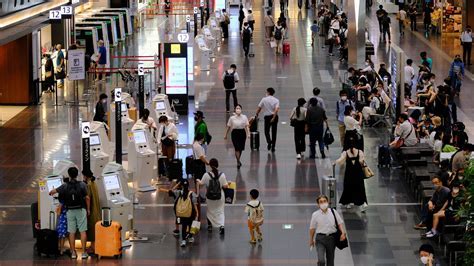
Even more telling is Japan’s mention of racially motivated incidents in its guidance. This rare inclusion reveals just how seriously the government is taking the intersection of social instability and tourism safety. For Japan—a nation that typically shies away from criticizing allies—the message is loud and clear: something has changed in how the U.S. is perceived.
Economic Repercussions on U.S. Tourism
This trend cannot be dismissed as a public relations hiccup. The U.S. tourism sector relies heavily on international inbound travel. Japanese tourists alone contributed billions annually before the pandemic. A prolonged decrease in confidence from countries like Japan and Germany means that the American tourism recovery could stall, even as the rest of the world reopens with renewed optimism.
The ripple effect spreads far beyond airlines and hotels. It touches luxury retailers in New York, theme parks in California, cultural institutions in Washington D.C., and university admissions offices across the country. International students and affluent travelers often hail from the very countries now questioning their safety in the U.S.
Not Just Japan: The Global Cautionary Chorus
Other countries are not standing idly by. Canada and the UK have recently updated their travel guidance to include references to gun violence, political demonstrations, and immigration-related unrest. Spain and South Korea echo similar sentiments. Australia, ever conscious of its citizens’ safety, continues to advise enhanced situational awareness in the U.S., particularly in urban areas.
This pattern forms a coalition of concern, and the message is clear: even strong allies are no longer willing to treat the U.S. as a default safe zone. It is now a destination that demands extra precautions—a designation once reserved for less developed or politically volatile countries.
Singapore’s Balanced Response
In contrast, Singapore has opted for a more balanced and neutral advisory. As of June 2025, its Ministry of Foreign Affairs has not issued any new warnings for the United States. Instead, it encourages general alertness—standard advice given for most travel abroad. This measured tone sets Singapore apart as it underscores the need for awareness without inducing fear.
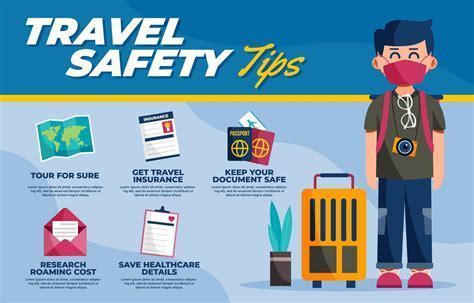
The city-state’s approach encourages citizens to secure comprehensive travel insurance, register their trips, and remain in contact with local embassies. While Singaporeans are reminded of possible disruptions due to protests or severe weather, the tone remains practical, not panicked.
A Cultural Shift in How Travel Safety is Measured
What we’re witnessing is a paradigm shift. Safety is no longer an assumption—it’s a determining factor in destination desirability. And unlike infrastructure or entertainment, safety can’t be marketed; it has to be demonstrated and delivered.
For many international travelers, especially those from countries with low crime and high public order, America is starting to feel unpredictable. Tourists are asking themselves: Will I be safe walking around? Can I avoid protests, shootings, or racial confrontations? Will I know how to get help if something goes wrong? These are new questions in the American tourism context.
The Responsibility of U.S. Tourism Leaders
For destination marketers and city tourism boards in the U.S., these advisories are a wake-up call. The days of assuming the country’s cultural pull will outweigh safety concerns are over. The priority now must be on restoring trust, and that begins with proactive action:
- Enhanced public safety protocols in tourist-heavy zones.
- Clear communication of safety resources in multiple languages.
- Collaboration with local police to ensure visitor-friendly enforcement.
- Cultural sensitivity and anti-discrimination training across the hospitality sector.
A Pivotal Moment for Tourism Strategy
If the United States ignores this moment, the consequences could be long-lasting. These aren’t isolated warnings. They represent a growing global consensus that the American travel experience, while rich in offerings, currently carries too many uncontrollable variables.
Restoring confidence won’t be easy. But it is possible. America must invest in the perception of safety as much as in attractions and experiences. It must show the world that it understands their concerns—and is actively addressing them.
Travelers Are Watching, and So Are Global Markets
For now, Japanese travelers—and their counterparts from several key nations—are turning toward destinations that offer tranquility, predictability, and seamlessness. Whether that’s Singapore, Switzerland, New Zealand, or even emerging Southeast Asian hotspots, the momentum is shifting.
For Americans and their tourism institutions, this is not a time to react defensively. It’s a time to listen, learn, and lead. To confront the realities of violence and intolerance, and to renew the social contract between the U.S. and the world’s travelers.
Final Thought: A Warning, Not a Condemnation
Japan’s advisory is not an indictment. It’s an invitation—to look within, to evolve, and to become again the kind of destination where people from all nations feel safe, inspired, and welcome.
Because the truth is no longer hidden. It’s visible in travel data, diplomatic statements, and the quiet redirection of travel routes. It’s time for the U.S. to step forward with clarity, humility, and resolve.