JetBlue’s foray into the Asian skies via a brief but headline-grabbing partnership with Japan Airlines (JAL) marked an ambitious step for the New York-based carrier. Designed to offer TrueBlue members access to one of Asia’s leading full-service carriers, the alliance promised seamless connectivity, lucrative loyalty redemptions, and global brand enhancement. Yet, less than a year later, the curtain falls on this collaboration, prompting a deeper analysis of what went wrong.
The Dream That Never Took Off
JetBlue has long been celebrated for its customer-centric approach and innovative TrueBlue program, often mentioned alongside elite programs like Air Canada Aeroplan and Virgin Atlantic Flying Club. By pairing with Japan Airlines—an icon in international aviation with extensive transpacific reach—JetBlue aimed to grant its U.S.-based flyers a premium experience on Asian routes without operating any aircraft of its own to the region.
On paper, the partnership made sense. JAL flies to several major JetBlue hubs, including New York (JFK), Boston (BOS), Los Angeles (LAX), San Francisco (SFO), and Chicago (ORD). With JetBlue offering domestic feed into these international gateways, the codeshare should have created mutual benefit. Moreover, JetBlue’s ability to let its members redeem TrueBlue points for flights on JAL’s First, Business, and Economy cabins—domestically and internationally—hinted at a serious intention to globalize its loyalty footprint.
An Early Exit: What Went Wrong?
Despite the synergy on paper, the alliance’s abrupt termination, effective March 31, 2026, suggests a fundamental misalignment. JetBlue’s announcement emphasized that all existing bookings will be honored, even if they extend beyond April 1, 2026. Yet, the quiet tone of the statement hinted at a partnership that never matured.
Internally, JetBlue appears to be redirecting its strategic priorities. 2025 and 2026 are shaping up to be years of domestic refocus and fleet optimization, underscored by several decisive moves:
- Exit from unprofitable operations at Miami International Airport (MIA)
- Launch of new routes from secondary cities to Puerto Rico, such as Jacksonville, Richmond, and Buffalo
- Introduction of BlueHouse, its first branded lounge at JFK, with another in Boston by 2026

These moves suggest that JetBlue is choosing depth over breadth—consolidating domestic operations and enhancing premium services over risky international expansions. For a low-cost carrier with strong roots in North American markets, chasing a global dream without adequate infrastructure or long-haul capability may have been premature.
Loyalty Realignment and TrueBlue’s Domestic Strength
The evolution of JetBlue’s TrueBlue program remains a bright spot. Points Pooling—a unique feature that allows groups of up to seven people to share points—continues to set JetBlue apart. In an era where airlines increasingly restrict redemptions, JetBlue maintains its policy of no blackout dates, with easy redemption on its own network and select partners.
Following the dissolution of the JAL partnership, JetBlue has extended Mosaic status through January 2026, providing valuable continuity for its elite members. Additional perks for Mosaic tiers—including two free checked bags, free upgrades, and complimentary alcoholic beverages on certain routes—underscore the airline’s renewed emphasis on core customer value.
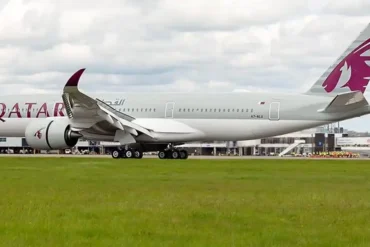
Even as JAL exits, JetBlue continues to collaborate with a strong mix of partners, including Qatar Airways, Icelandair, Hawaiian Airlines, and Singapore Airlines. Its codeshare portfolio remains robust with ties to British Airways, Turkish Airlines, and AerLingus, among others. This indicates that while Asia may be on pause, JetBlue is not entirely retreating from international relevance.
Strategic Missteps or Calculated Retreat?
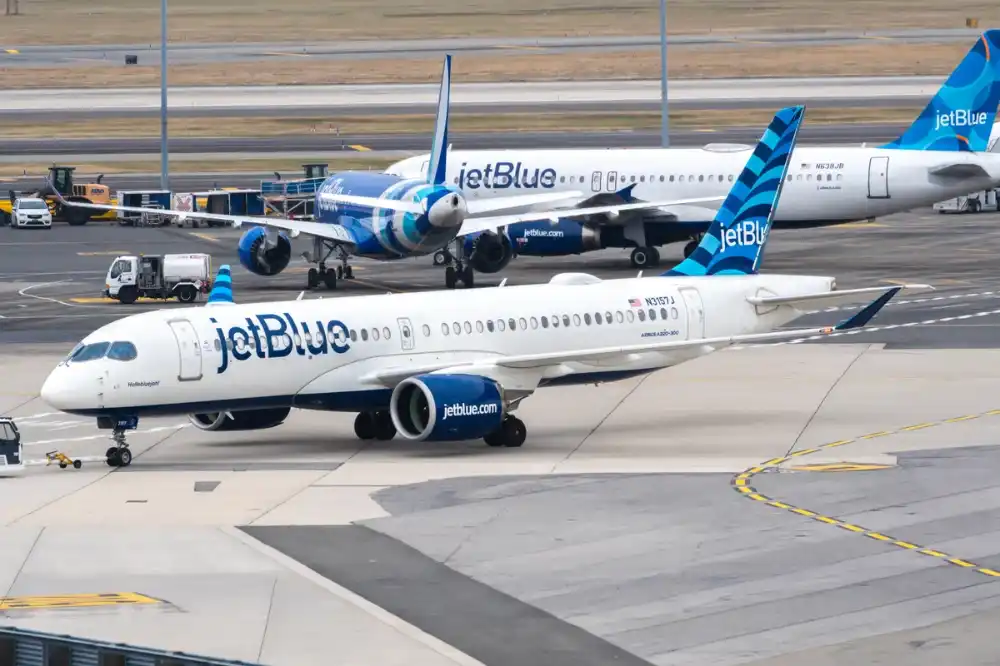
The decision to walk away from the JAL partnership may not simply reflect failure—it might signal a calculated shift to preserve capital, manage complexity, and avoid brand dilution. JetBlue’s fleet of 270+ aircraft, optimized for medium-haul operations, lacks the wide-body planes necessary for transpacific dominance. Without direct routes or physical presence in Asia, a redemption-only alliance may have been too thin to deliver real value.
Moreover, cultural and operational misalignments between a full-service legacy carrier like JAL and a hybrid low-cost player like JetBlue cannot be overlooked. The intricacies of synchronizing loyalty programs, integrating customer service models, and aligning strategic goals may have exposed deeper incompatibilities.
Looking Ahead: What JetBlue Can Learn
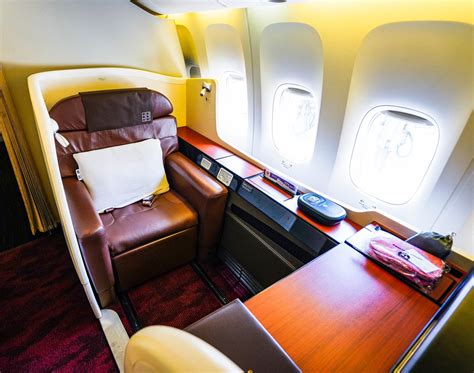
JetBlue’s Japan experiment, while brief, offers important lessons. Expanding loyalty offerings without physical network presence is a high-risk endeavor. Customers who redeemed TrueBlue points for JAL flights may have enjoyed a taste of Asian luxury, but without consistent product overlap or a reciprocal flow of passengers, the benefits were likely one-sided.
As JetBlue expands lounges, revamps U.S. connectivity, and tightens its operational focus, it may revisit global partnerships—but likely with more deliberate planning. The airline’s continued investment in transatlantic growth, especially to London and Paris, suggests that its international ambitions are far from over. However, its experience with Japan Airlines serves as a cautionary tale about the limits of paper-based alliances in the absence of operational depth.
In the end, JetBlue’s TrueBlue members lost a luxurious option, but the airline may have gained something more valuable—clarity about where it can truly compete, and where it should tread with caution.