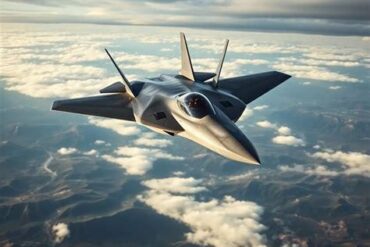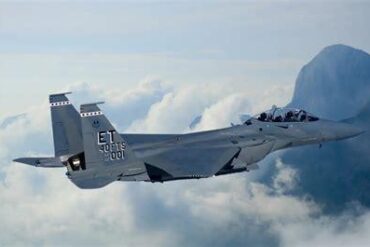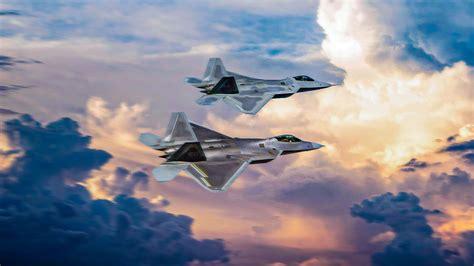
The skies above South Asia have long been a theater of geopolitical tension, and nowhere is this more evident than in the complex aerial rivalry between India and Pakistan. Recent events have once again underscored how intertwined modern air power is with regional security. In dissecting this saga, we encounter four pivotal fighter jets: India’s MiG-21 Bison, Sukhoi Su-30, and Dassault Rafale, and Pakistan’s J-10C Vigorous Dragon. Each aircraft tells a deeper story of evolving alliances, technological advancements, and strategic recalibration.
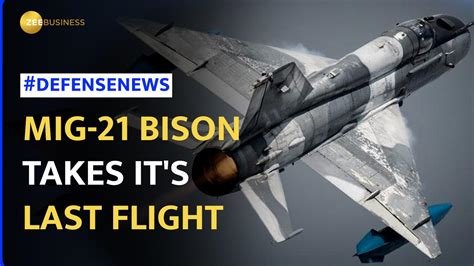
The MiG-21 Bison: A Stalwart of the Old Guard
India’s MiG-21 Bison, an upgraded Soviet-era platform, remains a symbol of endurance and legacy. Introduced in the 1960s, this aircraft has survived multiple iterations and continues to serve despite being one of the world’s oldest operational fighter jets. In the 2019 Balakot incident, the MiG-21 Bison made global headlines when it was shot down during an aerial dogfight with a Pakistani F-16. Its pilot, Wing Commander Abhinandan Varthaman, was captured and later returned, turning the jet into a national emblem of valor and vulnerability.
Technologically, the MiG-21 is unmistakably outdated, even with its Bison upgrades. Designed primarily for short-range interceptions, its avionics and weapons systems lag behind contemporary standards. Yet, its longevity in the Indian Air Force (IAF) underscores India’s long reliance on Soviet-Russian defense infrastructure—a trend that, while still significant, is gradually shifting.
The Sukhoi Su-30MKI: A Versatile Powerhouse
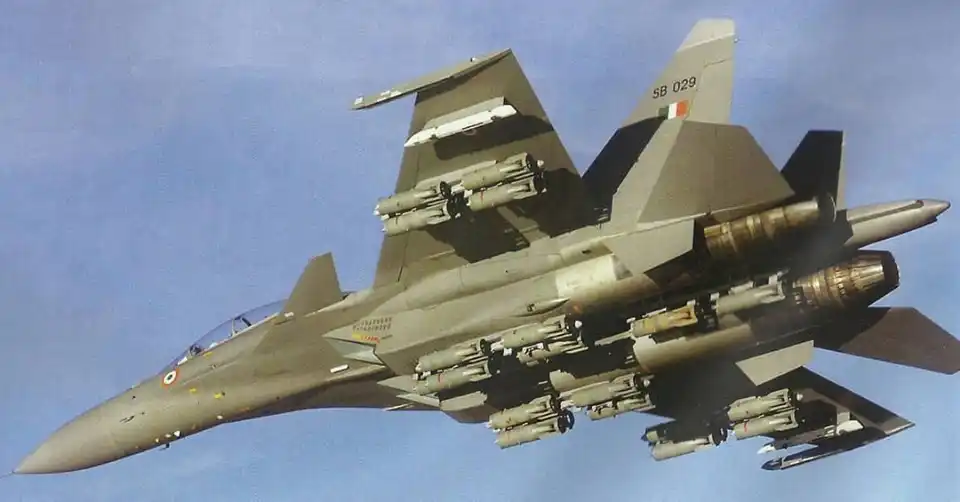
The Sukhoi Su-30MKI, also Russian in origin, represents a major leap forward in India’s airpower capabilities. Inducted in the early 2000s, this twin-engine, multirole air superiority fighter boasts advanced avionics, thrust-vectoring control, and a high degree of maneuverability. Its ability to carry a wide range of missiles and bombs, combined with its extended operational range, makes it a formidable asset in the IAF’s inventory.
In the recent conflict, Pakistan claimed to have downed one of these jets—an assertion India staunchly denies. Whether or not this claim holds water, the Su-30’s presence in the theater symbolizes India’s transitional phase from legacy platforms to more modern, high-performance fighters. Despite its age compared to Western counterparts, the Su-30 remains a versatile backbone of India’s aerial defense.
The Dassault Rafale: The Cutting Edge
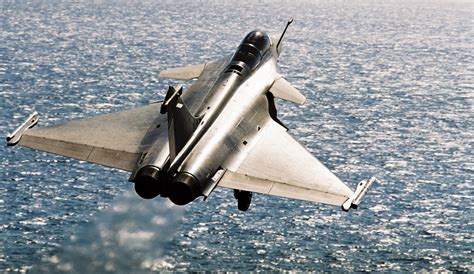
Perhaps the most transformative addition to India’s fleet is the Dassault Rafale, a French-built multirole fighter that epitomizes modern warfare. India’s purchase of 36 Rafales, completed between 2020 and 2022, marked a significant pivot toward Western defense collaboration. Equipped with state-of-the-art AESA radar, Meteor beyond-visual-range missiles, and advanced electronic warfare systems, the Rafale offers unmatched precision and lethality.
According to defense analysts, the Rafale likely formed the spearhead of India’s recent air operations. While Pakistan’s government claims multiple Rafales were shot down, independent confirmations remain elusive. However, reports from a French intelligence source suggest at least one Rafale was lost—highlighting the harsh realities of high-stakes air combat, even for top-tier fighters.
The J-10C Vigorous Dragon: China’s Exported Firepower
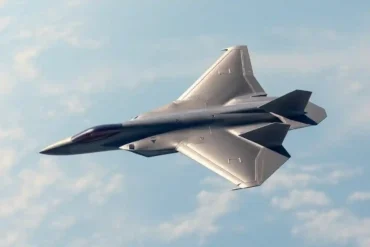
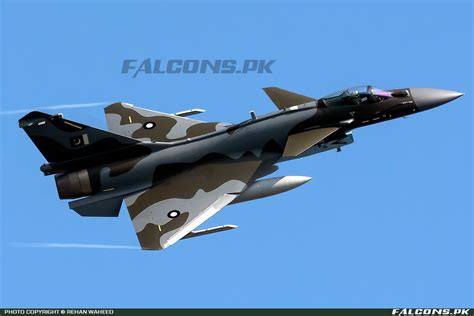
On Pakistan’s side, the narrative centers around the J-10C Vigorous Dragon, a Chinese-designed fourth-generation multirole fighter. The J-10C embodies China’s growing influence over Pakistan’s defense posture, particularly as Islamabad’s ties with the U.S. have cooled. The J-10C features modern radar systems, precision-guided munitions, and some degree of stealth capability, making it a substantial upgrade over Pakistan’s older F-16s and jointly developed JF-17s.
Defense insiders describe the J-10C as Pakistan’s most capable fighter to date, offering a balance of affordability and performance. Its involvement in the reported shoot-downs of Indian jets underlines Beijing’s strategic aim to enhance Islamabad’s deterrence capability while countering U.S. influence in the region. Yet, experts caution that while capable, the J-10C does not match the Rafale’s sophistication on a one-to-one basis.
Shifting Alliances and the Geopolitical Chessboard
The selection of these four jets also reflects the broader strategic realignments in South Asia. India’s historical dependence on Russian equipment—at times exceeding 70% of its total arms imports—has noticeably declined. According to data from SIPRI, Russia’s share of India’s arms imports fell to 36% in recent years, with France, Israel, and the United States making substantial inroads. The Rafale deal not only strengthened India’s capabilities but also deepened its ties with the West, particularly in the wake of joint ventures such as the Tejas engine manufacturing agreement with General Electric.
Conversely, Pakistan’s arsenal has tilted heavily toward China, with 81% of its arms imports now sourced from Beijing. This pivot underscores Islamabad’s growing reliance on Chinese defense technology, a relationship solidified by decades of shared strategic interests. The decline in U.S.-Pakistan defense collaboration, once robust during the Soviet-Afghan war, has left a vacuum eagerly filled by China’s burgeoning military-industrial complex.
The Future of Air Combat in South Asia
Looking ahead, both nations are poised to intensify their airpower modernization programs. India’s continued procurement of Rafales, along with indigenous development efforts like the Tejas Mark 2 and the AMCA (Advanced Medium Combat Aircraft), signals a drive toward greater self-reliance and diversification. The recent purchase of MQ-9B Guardian drones from the U.S. further broadens India’s strategic toolkit.
Pakistan, constrained by economic limitations, will likely continue to optimize its existing fleet rather than seek sweeping acquisitions. Incremental upgrades to its J-10Cs, F-16s, and JF-17s, coupled with deeper integration of Chinese defense systems, will shape Islamabad’s tactical roadmap.
Conclusion: A Tale Still Unfolding
The clash of these four fighter jets—each a symbol of national pride, technological prowess, and shifting alliances—offers more than just an account of aerial skirmishes. It is a vivid testament to the evolving dynamics of power and politics in South Asia’s contested skies. As both nations navigate this high-stakes domain, the stories these jets tell are far from over. Their trajectories, much like the conflicts they engage in, continue to be written with every sortie, every procurement deal, and every diplomatic maneuver—a tale as turbulent as the skies themselves.