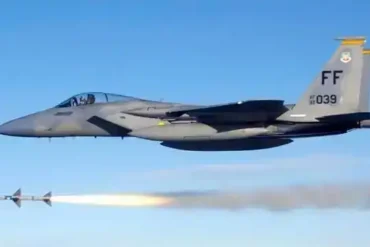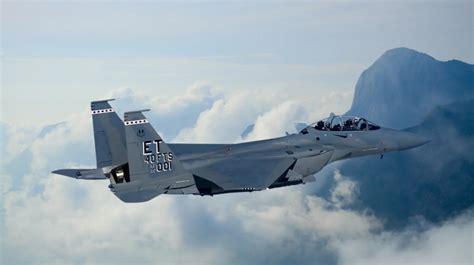
Throughout modern military history, American fighter jets have not only redefined the limits of aerial combat but also ensured the United States’ unchallenged dominance in the skies. From the dogfights over Korea to stealth missions deep into hostile territory, these aircraft have continually set new standards in performance, versatility, and lethality. Below, we explore America’s 7 most powerful fighter jets of all time, each a technological marvel and a cornerstone of U.S. air power.
The F-86 Sabre: Jet-Age Icon of the Korean War
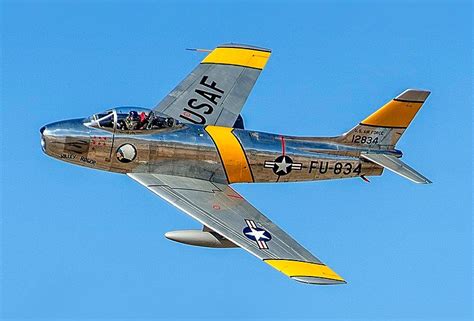
The North American F-86 Sabre ushered in the jet age for the United States with a blend of swept-wing aerodynamics and pioneering combat experience. As the first truly successful American jet fighter, it earned its fame during the Korean War, where it clashed with the Soviet MiG-15 in some of the earliest jet-versus-jet combat scenarios.
This swept-wing fighter, first flown in 1947, demonstrated a then-unprecedented level of agility and speed, setting a world record at 670.9 mph. Deployed swiftly to the Korean Peninsula, the F-86 achieved an astonishing 8:1 kill ratio, a testament to its pilot-friendly handling and superior gunsight technology. With 9,860 units delivered, it remains the most produced Western jet fighter ever.
F-4 Phantom II: A Multi-Branch Powerhouse
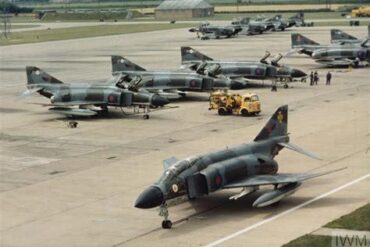
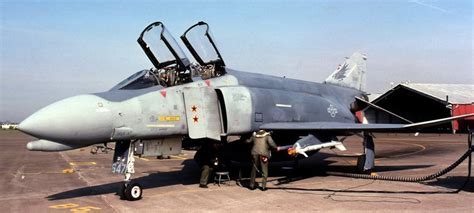
The McDonnell Douglas F-4 Phantom II was arguably the most versatile jet of its time. Dominating skies from the 1960s to the 1980s, it was the primary fighter for the Air Force, Navy, and Marine Corps—a rare feat that illustrated its broad utility. Its robust frame and twin engines enabled it to serve in roles ranging from fleet defense and ground strike to air superiority and Wild Weasel missions.
Despite early design flaws like the absence of an internal cannon, the F-4 adapted and thrived, becoming a legend of the Vietnam War and Cold War theaters. With 5,195 units produced, it also carried nuclear weapons and fulfilled an astonishing variety of combat roles. Even today, the Phantom II continues to fly in select nations like Turkey and Iran.
F-15 Eagle: Master of Air Superiority
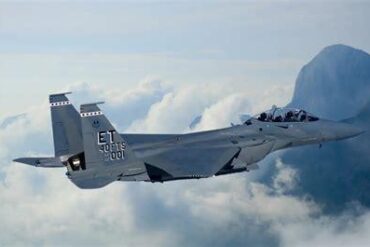
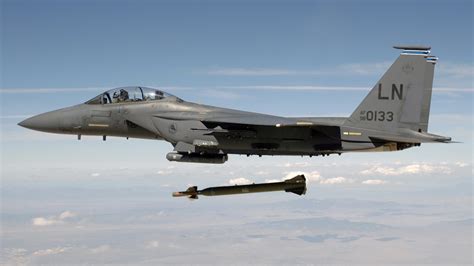
The F-15 Eagle is more than a fighter; it is a symbol of American air dominance. While its intended successor, the F-22 Raptor, saw limited production, the F-15 surged ahead with around 1,700 aircraft delivered and remained the backbone of U.S. aerial might for over four decades.
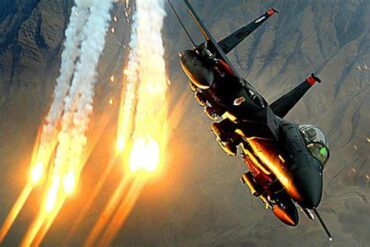
Designed with unmatched thrust-to-weight ratio, advanced radar systems, and the ability to exceed Mach 2.5, the F-15 dominated skies with 104 confirmed air-to-air kills and zero losses in air combat. Its multirole variants like the F-15E Strike Eagle further expanded its capabilities into long-range interdiction and close air support.
As of 2025, the F-15 continues to see action in conflicts across the Middle East, intercepting hostile drones and supporting allied operations with precision and resilience.
F-16 Fighting Falcon: The Agile Workhorse
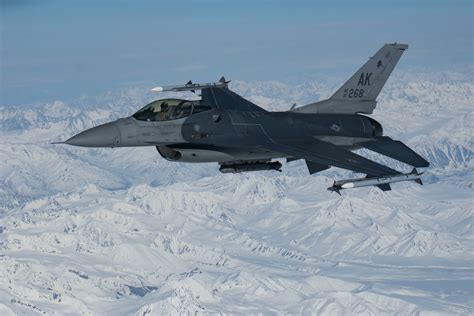
Nicknamed the “Viper” by its pilots, the F-16 Fighting Falcon is the most widely used fighter in the U.S. Air Force. Though lighter and less sophisticated than the F-15, the F-16’s strength lies in its agility, affordability, and sheer volume. With over 4,600 units delivered, it has been the day-to-day workhorse for NATO and allied air forces alike.
Designed with a fly-by-wire system and a frameless bubble canopy for superior visibility, the F-16 has excelled in missions ranging from air policing and interdiction to close air support. While the U.S. Air Force no longer procures new F-16s, Lockheed Martin continues to produce upgraded variants for foreign customers, ensuring the jet’s legacy extends well into the 21st century.
F/A-18 Hornet and Super Hornet: Naval Backbone
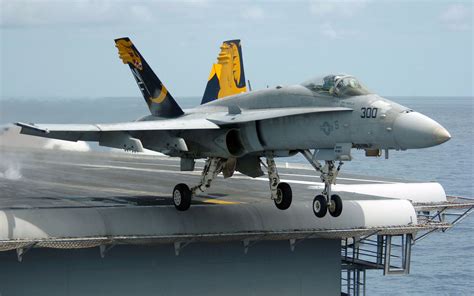
When discussing carrier-based fighter jets, no aircraft looms larger than the F/A-18 Hornet and its successor, the Super Hornet. Serving as the cornerstone of U.S. Navy aviation since the 1990s, this family of multirole fighters has conducted the lion’s share of carrier sorties in recent decades.
Although the F-14 Tomcat had a longer reach and iconic status, the Hornet family wins out due to its flexibility, maintenance simplicity, and production volume, with up to 2,100 aircraft delivered. It performs fleet defense, ground strike, and reconnaissance roles while operating in the demanding environment of aircraft carriers.
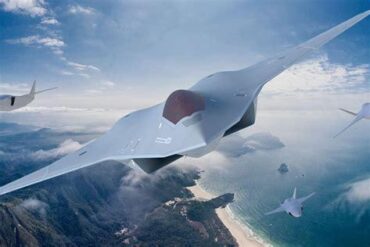
The Super Hornet variant, still in production until 2027, is expected to remain in service until the 2040s. Until the F/A-XX sixth-generation fighter materializes, the Super Hornet will continue to be the Navy’s primary fighter.
F-111 Aardvark: The Deep Strike Innovator
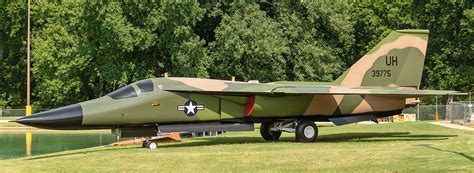
Unlike any fighter before it, the F-111 Aardvark combined speed, range, and payload capacity into a sleek swing-wing design that blurred the line between fighter and bomber. Only 563 units were built, yet the Aardvark made a profound impact during the Vietnam War and Cold War as a deep-strike and interdiction platform.
Its true power lay in its terrain-following radar, variable-sweep wings, and autonomous strike capability. The F-111 could fly low and fast into enemy territory at night and in adverse weather—without support. This made it an essential component of NATO’s conventional and nuclear deterrent strategy. In Operation Desert Storm, the F-111F proved devastatingly effective.
F-35 Lightning II: The Pinnacle of Fifth-Generation Airpower
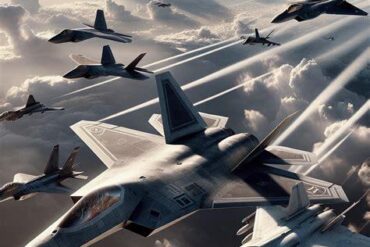
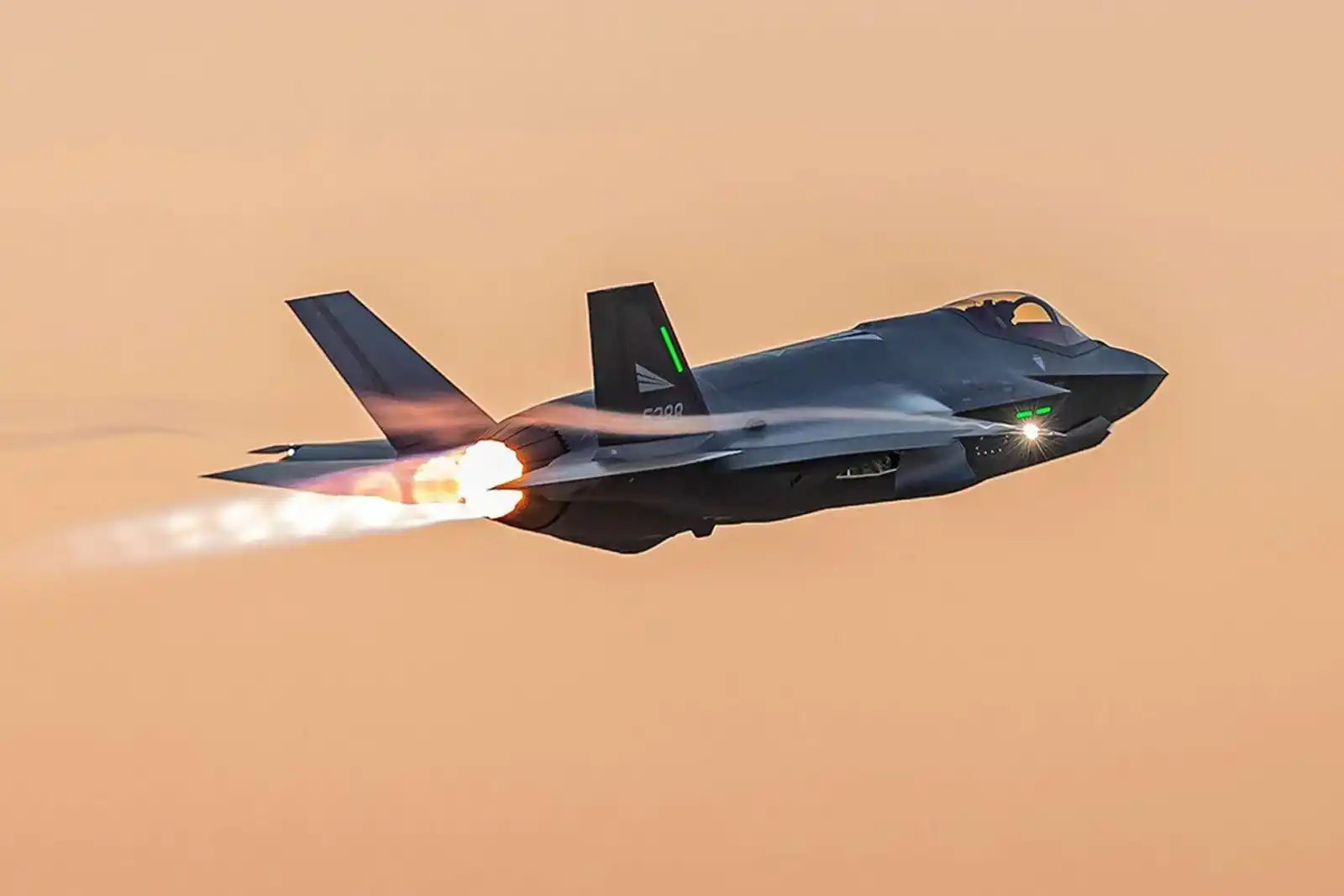
No discussion of modern fighter jets is complete without the F-35 Lightning II. Often described as the most technologically advanced fighter ever built, the F-35 is a stealth multirole aircraft with over 1,200 units produced and climbing. It is the centerpiece of U.S. and allied airpower strategy in the 21st century.
Unlike its fifth-generation predecessor, the F-22, the F-35 is more versatile, equally adept at air-to-air, air-to-ground, and intelligence, surveillance, and reconnaissance (ISR) missions. It features advanced sensor fusion, giving pilots a 360-degree battlespace view, enabling quicker decision-making and enhanced survivability.
The jet comes in three main variants: the F-35A for conventional runways, the F-35B with STOVL capabilities for the Marine Corps, and the F-35C for carrier operations. Its integration into allied fleets from Europe to Asia-Pacific further cements its global dominance.
Conclusion: A Legacy Built in the Skies
Each of these aircraft tells a different story about American airpower evolution, yet they all reflect the same core principle: technological superiority backed by strategic doctrine. From the agile F-86 Sabre that turned the tide in Korea to the digitally networked F-35 redefining joint operations today, the U.S. has maintained its edge by continuously investing in air superiority.
These seven jets are more than machines—they are legends forged in battle, shaped by innovation, and driven by the unrelenting pursuit of excellence. As we look ahead to sixth-generation platforms, hypersonic capabilities, and AI-assisted warfare, the legacy of these aircraft provides both a foundation and a benchmark for the future of aerial combat.