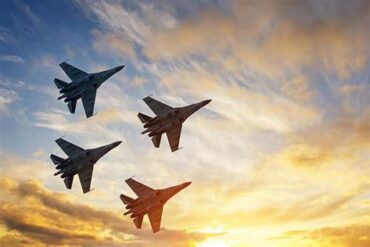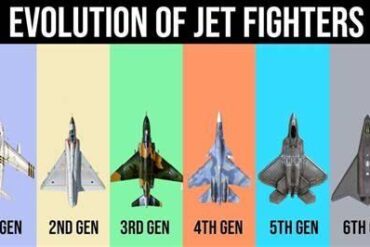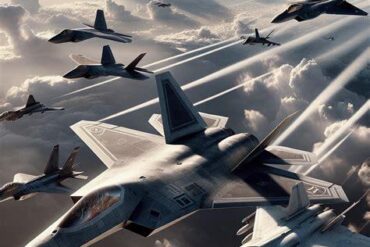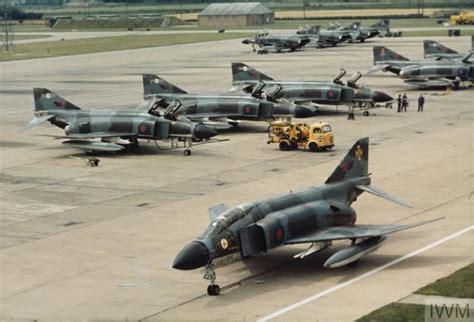
The 1970s marked one of the most aggressive eras of military aviation advancement, as the Cold War thrust the world into a relentless arms race. Both the United States and the Soviet Union poured vast resources into developing fighter jets that could outperform, outgun, and outfly any rival. Yet, it wasn’t just the superpowers; countries like Israel, France, Sweden, and the UK made significant contributions to aerial warfare technology. From unparalleled speed to unmatched maneuverability, these aircraft helped shape modern air superiority doctrine.
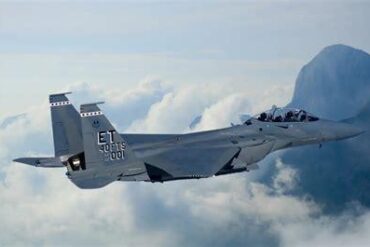
McDonnell-Douglas F-15 Eagle and Strike Eagle: The Undefeated Sky Predator
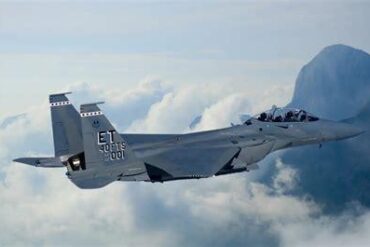
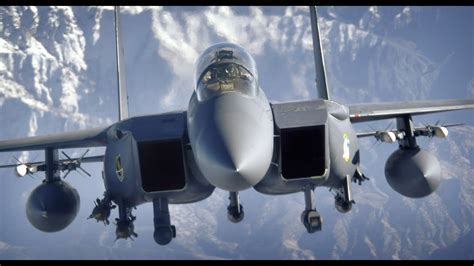
Arguably the most dominant fighter of the 20th century, the McDonnell-Douglas F-15 Eagle, along with its evolved Strike Eagle variant, represents a pinnacle of American air superiority engineering. Capable of exceeding Mach 2, the F-15’s legacy is unmatched, with over 100 aerial victories and zero losses in air-to-air combat.
The Strike Eagle variant, introduced a few years later, further amplified its capabilities. Twin Pratt & Whitney engines deliver 29,000 pounds of thrust each, allowing the aircraft to carry up to 16,000 pounds of ordnance. With 750 gallons of fuel per tank and the ability to extend its range to 2,400 miles using external tanks, the Strike Eagle became a multirole powerhouse.
Sukhoi Su-22: The Soviet Swing-Wing Marvel
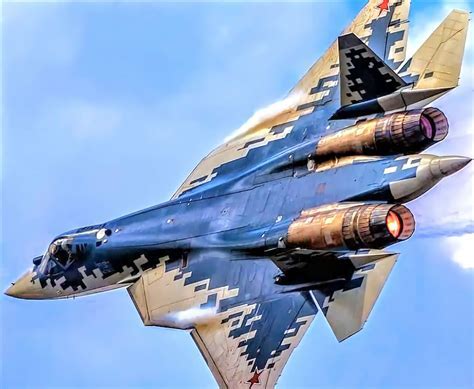
The Soviet Union’s entry into variable-geometry wing technology came in the form of the formidable Sukhoi Su-22. Known for its adaptable wing configurations—61 degrees for high-speed intercepts, 28 degrees for low-speed stability, and a 45-degree hybrid position—the Su-22 could morph mid-flight to meet mission demands.
Powered by a robust turbojet engine producing 24,700 pounds of thrust, this fighter could reach speeds of Mach 2.09 (1,550 mph) and carry 9,370 pounds of weaponry across eight external pylons, giving it versatile strike capabilities.
Grumman F-14A Tomcat: Naval Aviation’s Top Gun
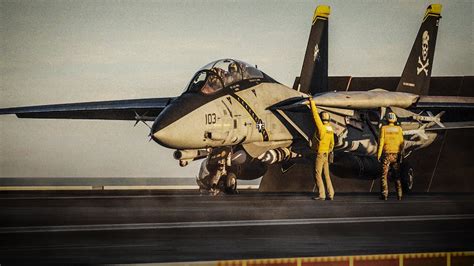
Immortalized by Hollywood yet even more formidable in real combat, the Grumman F-14A Tomcat was the U.S. Navy’s ultimate response to long-range Soviet bomber threats. Operational from 1970 to 1992, the Tomcat combined blistering speed with advanced interception capabilities.
With a top speed of Mach 2.01 (1,544 mph), a combat range of 2,400 miles, and an arsenal including AIM-54 Phoenix, AIM-7 Sparrow, and AIM-9 Sidewinder missiles, the F-14 provided both beyond-visual-range (BVR) superiority and dogfighting dominance.
IAI Kfir: Israel’s Lion Cub with Claws
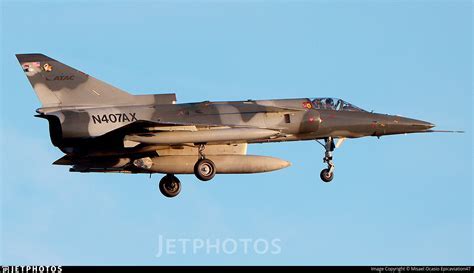
Amid constant regional conflict, Israel’s defense industry produced the indigenously designed IAI Kfir, meaning “lion cub”. Derived from the French Mirage 5 and reverse-engineered Nesher, the Kfir cemented Israel’s aerial edge before the arrival of U.S.-supplied F-15s.
With an astounding Mach 2.3 top speed, a 1,300-mile range, and the ability to climb at 45,900 feet per minute, this fighter could reach its operational ceiling of 58,000 feet in under 75 seconds. Its 13,415-pound payload underscored its multirole combat effectiveness.
Lockheed-Martin F-16 Fighting Falcon: America’s Global Workhorse
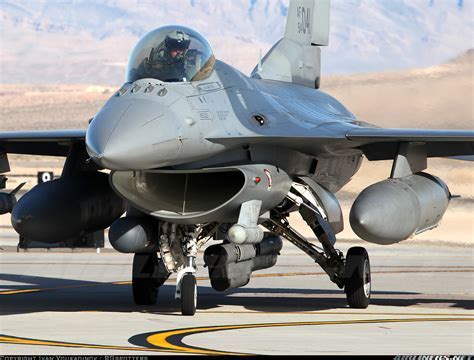
The Lockheed-Martin F-16 Fighting Falcon became a symbol of reliable, agile, multirole capability. First produced in 1976, the F-16’s single-engine, fixed-wing design was paired with formidable offensive loadouts.
Armed with two 2,000-pound bombs, AIM-9 Sidewinders, AIM-120 missiles, and a 20mm cannon holding 500 rounds, the F-16’s versatility extended across combat theaters. Its 23,000-pound thrust Pratt & Whitney turbofan delivered Mach 1.71 (1,319 mph) top speed and a 1,260-mile range. With over 3,000 units still active in 29 countries, its influence remains global.
MiG-25 Foxbat: The Soviet Speed Demon
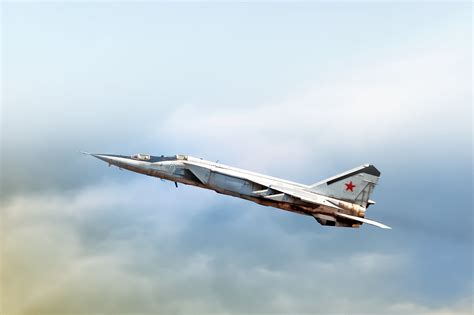
Designed to counter U.S. high-speed reconnaissance and bomber platforms like the SR-71 and XB-70, the MiG-25 Foxbat became one of the fastest military jets ever built. Twin Tumansky turbojets each generated 22,500 pounds of thrust, propelling the Foxbat to Mach 3.2, though operational speeds were limited to Mach 2.83 (2,171 mph) to preserve structural integrity.
With a service ceiling of 80,000 feet and 1,075 miles of range, the MiG-25 set 29 world records, instilling the infamous “Foxbat Hysteria” in the West. However, when a defector flew a Foxbat to Japan in 1976, limitations in its true capabilities were exposed.
Saab JA-37 Viggen: Sweden’s Unexpected SR-71 Challenger
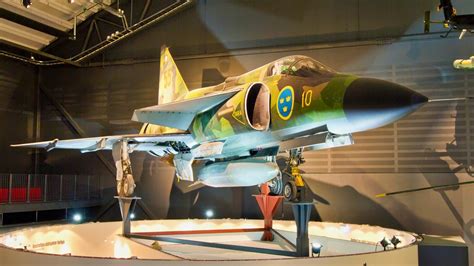
Sweden’s Saab JA-37 Viggen, or “Thunderbolt,” emerged as one of the 1970s’ most underrated aircraft. It gained notoriety by being the only aircraft to achieve a confirmed missile lock on an SR-71 Blackbird.
Powered by a Volvo-built turbofan delivering 28,000 pounds of thrust, the Viggen reached speeds of Mach 2.1 (1,386 mph), a range of 1,243 miles, and a ceiling of 59,000 feet. Developed to replace both the Saab 32 Lansen and Saab 35 Draken, its delta-canard design made it a unique and highly capable multirole platform.
Dassault Mirage F1: France’s Export Champion
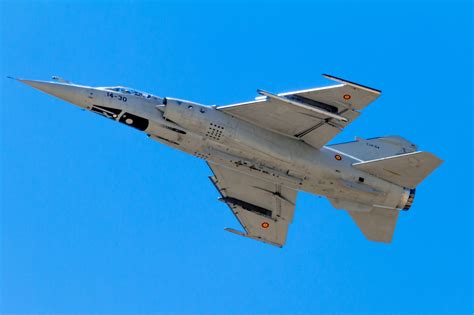
France’s Dassault Mirage F1 marked a leap in lightweight, high-speed fighter design. Featuring the SNECMA Atar 9K-50 engine with 16,000 pounds of thrust, the Mirage F1 achieved Mach 2.2 (1,688 mph) and operated at altitudes of up to 52,000 feet.
It was engineered for versatility, capable of rough field landings at approach speeds as low as 140 knots (162 mph). With over 50% of its production exported, the Mirage F1 became a global fixture.
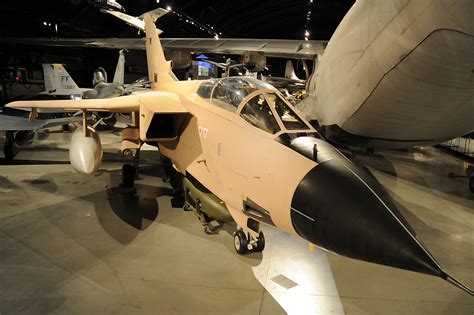
Panavia Tornado GR1: Europe’s Low-Altitude Supersonic Raider
A collaborative effort between the UK, Italy, and Germany, the Panavia Tornado GR1 redefined strike capabilities. Developed in the late 1960s, operational by 1980, the Tornado was crucial in disabling enemy runways and air defenses during Desert Storm.
Armed with two 27mm cannons, AIM-9 Sidewinders, and an 18,000-pound ordnance payload, the Tornado’s twin Turbo Union engines, each with 15,800 pounds of thrust, propelled it to Mach 1.89 (1,453 mph) with a 2,100-nautical-mile range.
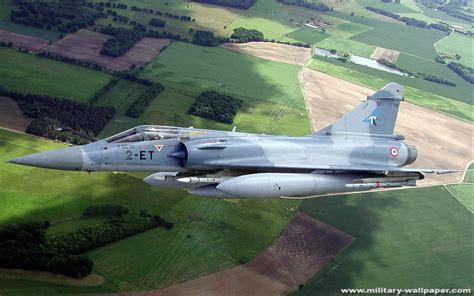
Dassault Mirage 2000: Affordable French Precision
Continuing France’s aviation legacy, the Dassault Mirage 2000 delivered cost-effective yet reliable performance. While not revolutionary, its consistent engineering made it a popular export choice, with over 50% of nearly 600 units sold abroad.
The Mirage 2000 could hit Mach 2.2 (1,688 mph), with certain variants achieving 2,072-mile range, contributing to its widespread adoption by nations such as India, Egypt, Greece, and Brazil.
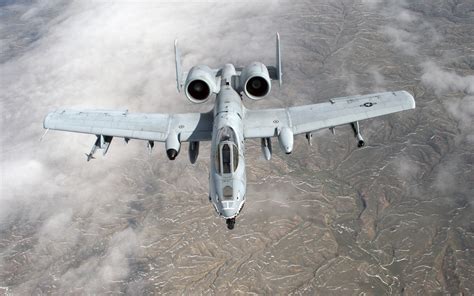
Fairchild Republic A-10 Thunderbolt II: The Indestructible “Warthog”
Nicknamed the “Warthog,” the A-10 Thunderbolt II stands apart as a slow, heavily armored ground-attack aircraft. Designed for anti-armor and close air support, the A-10 boasts an enormous 30mm GAU-8/A cannon capable of devastating enemy vehicles.
Its rugged design allows it to survive catastrophic damage—flying with one engine, one wing, or compromised systems. Though slow at 420 mph, with an 800-nautical-mile range, its 16,000-pound ordnance load ensures prolonged battlefield presence.
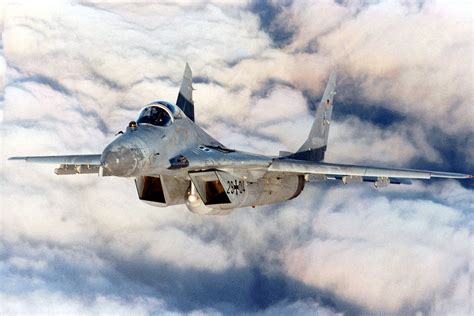
MiG-29 Fulcrum: The USSR’s Late-Stage Multirole Fighter
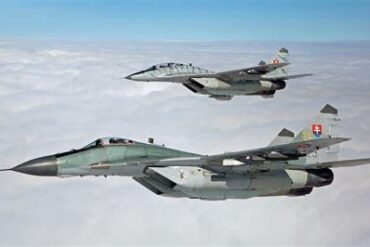
The MiG-29 Fulcrum was the Soviet Union’s final significant fighter of the Cold War era. Introduced in 1983, its development was delayed by economic decline, but it still delivered modern multirole performance.
With a top speed of Mach 1.98 (1,520 mph), 1,802-mile range, 59,000-foot ceiling, and a maximum takeoff weight of 40,741 pounds, the Fulcrum was an improvement over earlier MiGs, though it ultimately lagged behind Western contemporaries like the F-16.
Conclusion: An Era of Aerial Innovation and Power
The 1970s reshaped the global military aviation landscape with jets that pushed the boundaries of speed, lethality, and versatility. From the undefeated F-15 Eagle to Sweden’s surprising Viggen, these aircraft were more than machines—they were statements of power, innovation, and geopolitical influence that continue to shape modern air combat strategies.