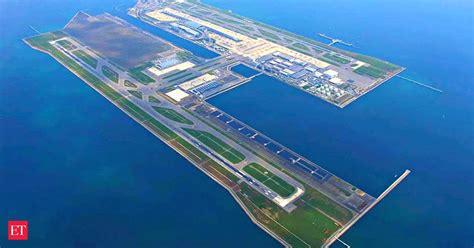
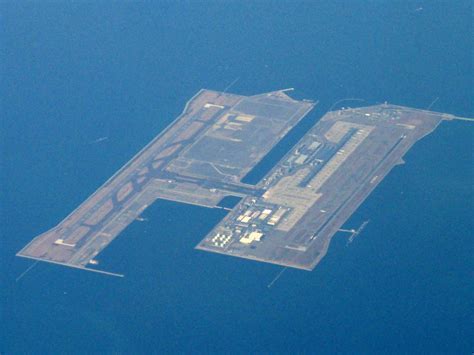
Kansai International Airport (KIX) is a testament to Japan’s engineering prowess, logistical vision, and global aviation ambition. As the primary international gateway for the Greater Osaka region, it serves a densely populated and economically vital area encompassing Osaka, Kyoto, and Kobe. Built entirely on a man-made island in Osaka Bay, 38 kilometers from central Osaka, KIX is both a practical necessity and a bold architectural statement, designed for 24-hour operation free from the noise restrictions that hamper many urban airports.
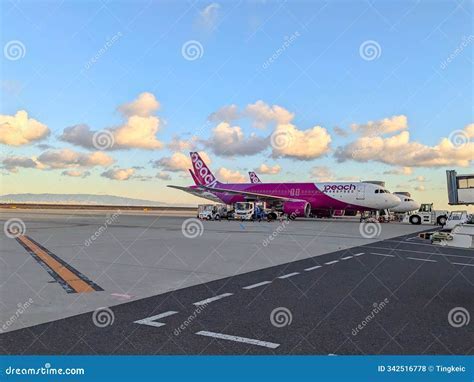
Spanning 1,055 hectares and hosting two major runways, Kansai International has become a critical hub for All Nippon Airways (ANA), Japan Airlines, Peach Aviation, FedEx Express, and Nippon Cargo Airlines. In 2024, it managed over 30.6 million passengers, 193,000 aircraft movements, and more than 757,000 tonnes of freight, cementing its role in international logistics and passenger travel.
The Genesis: Vision Beyond Itami’s Constraints
The idea for Kansai International Airport was born from necessity. By the 1960s, Itami Airport, then Osaka’s primary air gateway, faced severe overcrowding and noise pollution, largely due to its urban proximity. Plans for a new, offshore airport began to crystallize in the 1970s, aiming to relieve pressure on Itami while providing unrestricted 24-hour operations.
Initial plans to locate the new facility in Kobe were rejected by local authorities, forcing the Osaka Prefectural Government to explore alternative sites. The eventual choice: an ambitious offshore location in Osaka Bay, where engineers would attempt the unprecedented feat of constructing a full-scale international airport on reclaimed land.
Engineering Against Nature: The Construction Challenge
From 1987 to 1994, construction of the first airport island was an engineering odyssey. Built on 20 meters of soft clay, the island required over 1 million sand drains, 180 million cubic meters of landfill, and 48,000 concrete tetrapods to secure its perimeter against storm surges.
A total of 21 million cubic meters of rock were excavated from the mountains of Awaji Island and other nearby locations, all transported to Osaka Bay to stabilize the foundation. The island eventually measured 4 km long by 2.5 km wide.
Despite engineers’ forecasts that the island would settle 5.7 meters, it sank 8.2 meters by 1999—an alarming deviation. To counter this, the terminal was built with adjustable columns, a now-iconic solution that helped maintain structural integrity without sacrificing functionality.
Opening Day: A Symbol of Innovation and Hope
On September 4, 1994, Kansai International Airport opened its runways to the world with flights from 31 airlines across 26 countries. It was Japan’s first 24-hour airport, a crucial milestone in national infrastructure. The event was heralded globally, as much for its engineering marvel as for its strategic importance in revitalizing the Kansai economy.
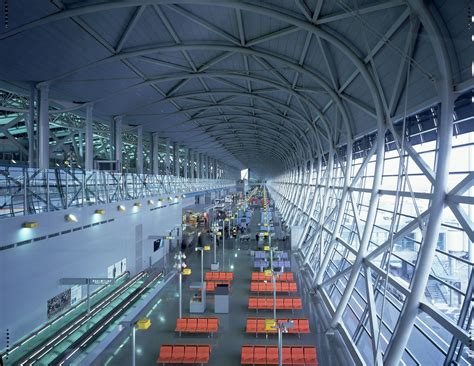
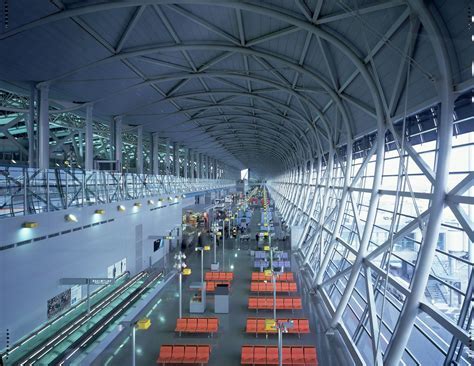
Designed by renowned architect Renzo Piano, Terminal 1 became an immediate icon. At 1.7 kilometers in length, it remains the longest terminal building in the world, featuring a curved airfoil roof that encourages natural air circulation.
Economic Hurdles and Early Struggles
Despite its grandeur, Kansai International faced economic turbulence in its early years. High landing fees, compounded by utility costs and massive construction debt, discouraged airlines from increasing services. At one point, annual interest losses soared to $560 million.
KIX also struggled to compete with Narita International Airport, the dominant gateway to Tokyo. Only with steady economic recovery, aggressive fee reduction strategies, and infrastructure investment did Kansai regain competitive footing. The airport saw a passenger rebound of 11% in 2005, with international travel increasing by 5% in 2013.
Expansion and Adaptation: Building for the Future
The 2000s marked a new phase. In August 2007, the opening of Runway B, stretching 4,000 meters, expanded capacity and enhanced 24-hour capabilities.
A second terminal opened in 2012, purpose-built for low-cost carriers (LCCs) like Peach Aviation, Spring Airlines, and Jeju Air. Terminal 2 eliminated costly infrastructure like jet bridges and air-conditioning, streamlining operations and reducing expenses.
Additionally, Kansai became a testing ground for unique passenger experiences. The Nintendo Check-In area, launched in 2017, featured life-sized character statues and interactive Switch games, making it a favorite among families and international tourists.
Resilience Under Pressure: Typhoon Jebi
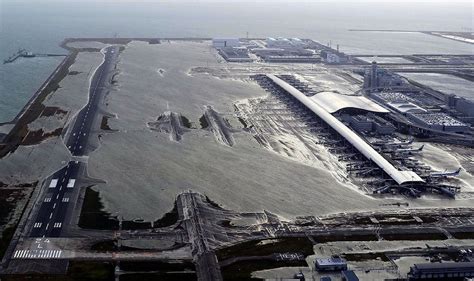
On September 4, 2018, precisely 24 years after its opening, KIX was tested by Typhoon Jebi, the strongest storm to hit Japan in decades. Storm surges flooded the runways, while a tanker collision severed the Sky Gate Bridge R, cutting off the airport’s only road and rail access.
Operations resumed partially by September 6, and the airport achieved full restoration by October 1, a remarkably fast recovery. The Sky Gate Bridge R reopened in April 2019, once again linking the airport to Rinku Town and the mainland.
Terminals: Contrasts in Design and Function
Terminal 1
Terminal 1 remains the architectural and operational centerpiece. Spanning 296,000 square meters, its four stories include check-in areas, immigration halls, duty-free shopping, and airline lounges. Its Wing Shuttle people-mover connects the central building with satellite concourses efficiently.
Terminal 2
Terminal 2 reflects minimalism and budget-conscious design. It is single-storey, cost-efficient, and optimized for fast LCC turnaround. Passengers access aircraft on foot using walkways through KIX Sora Park, a landscaped area with covered walkways and umbrellas available for rain protection.
Airlines, Freight, and International Connectivity
Kansai today connects Japan to Asia, Europe, North America, and Oceania, offering regular flights via over 30 international and domestic carriers. It has positioned itself as an ideal stopover between Southeast Asia and North America, making it a hub for transpacific and pan-Asian traffic.
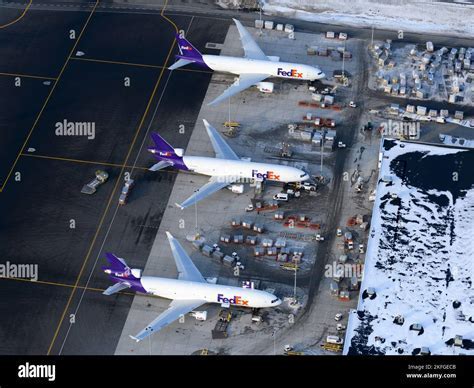
KIX’s freight capabilities are equally robust. It handles over 746,000 tonnes of international cargo annually. FedEx Express, ANA Cargo, DHL, UPS, and regional players maintain extensive operations here, with customs clearance, warehousing, and fueling berths located onsite.
Ground Transportation and Accessibility
Kansai International is linked to the mainland via the Sky Gate Bridge R, a double-deck structure carrying road and rail traffic. The airport is served by JR West Haruka and Rapid Service trains, along with the Nankai Rapi:t express, all offering fast connections to Osaka Station and other central hubs.
Airport Limousine Buses offer direct links to surrounding cities like Kyoto, Kobe, and Nara. The Bay Shuttle Ferry, operational since 2007, offers a scenic and quick journey across the bay to Kobe Airport, expanding intermodal connectivity.
A Hub with Strategic Vision
The 2012 merger of Kansai and Itami Airport operations helped consolidate management, improve cost structures, and rebalance regional air traffic. Landing fees were reduced by 5%, and further subsidies and discounts were introduced to attract more international and low-cost carriers.
With the planned completion of the Chūō Shinkansen maglev line, which will link Tokyo and Osaka in just over an hour, regional leaders envision shifting more domestic traffic from Itami to KIX, reinforcing Kansai’s position as the national air hub of the west.
Conclusion: The Living Legacy of KIX
Kansai International Airport stands as a symbol of resilience, adaptability, and strategic foresight. From an audacious idea born out of urban congestion, it has evolved into a global gateway that showcases the intersection of design, engineering, and economic necessity. Its future remains tied to how effectively it can evolve, embrace environmental sustainability, and navigate regional competition—but its foundation, literally and figuratively, remains unshakable.