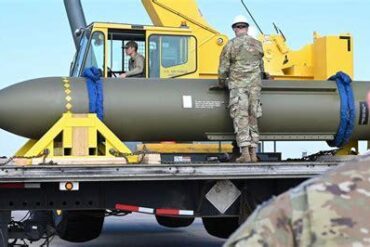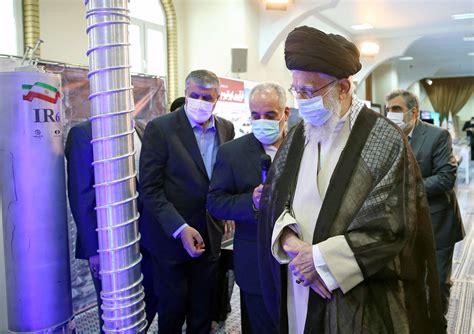
In the wake of a fragile ceasefire following twelve days of high-intensity conflict between Iran and Israel, Iran’s Supreme Leader Ayatollah Ali Khamenei broke his silence on Thursday, issuing a scathing critique of the United States’ direct military involvement in the war. Speaking through state media, Khamenei condemned the American-led airstrikes, including those conducted by stealth B-2 bombers, on Iran’s nuclear infrastructure. According to him, Washington gained nothing, and instead suffered a strategic and symbolic defeat.
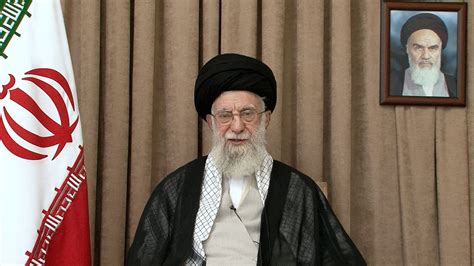
A Failed Gamble: U.S. Entry into the Israel-Iran War
Khamenei’s remarks pulled no punches. He asserted that the United States made a calculated error by choosing to enter the conflict, driven by fears that non-intervention would result in the complete collapse of Israel, its key regional ally. “It has gained nothing from this war,” said Khamenei, calling the intervention “a severe miscalculation.” He framed Iran’s performance in the war as a military and moral triumph, emphasizing that the Islamic Republic had successfully retaliated and “slapped the face of America.”
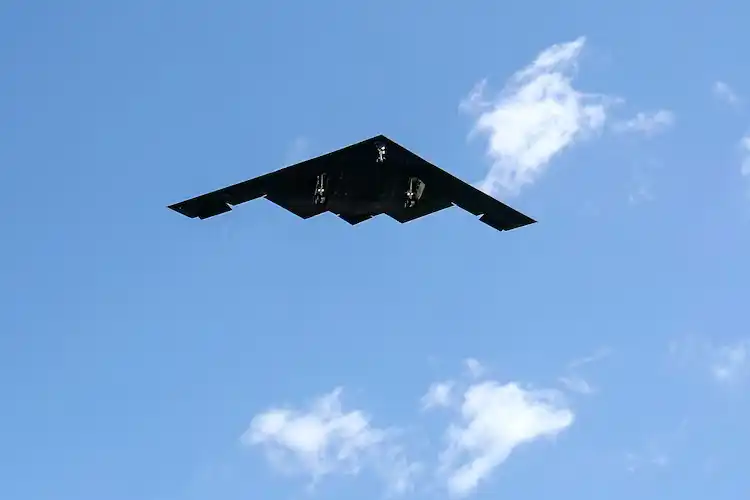
The U.S. Air Force, notably through B-2 Spirit stealth bombers, launched several attacks on key Iranian infrastructure, including nuclear sites. Despite the technological superiority and precision of these aircraft, Iranian officials downplayed their effectiveness, claiming minimal strategic impact. Khamenei asserted, “They attacked our nuclear facilities, which of course would merit criminal prosecution in international courts, but they did nothing significant.”
Trump’s Claims of Victory Dismissed as Propaganda
A significant portion of Khamenei’s statement focused on former President Donald Trump, who had claimed that the U.S. military had “obliterated” Iran’s nuclear program. Khamenei dismissed these statements as “exaggerations,” arguing that Trump’s remarks were a political tool to project strength and distract from deeper realities. “Anyone who has heard these words has understood that there is another truth behind them,” he stated, suggesting that actual battlefield dynamics contradict Trump’s triumphant tone.
Khamenei’s use of rhetorical clarity in his statement reflects a longstanding strategy: to position Iran as both victim and victor, undermining U.S. credibility while bolstering domestic and regional morale.
Iran’s Claimed Victory Over Israel: A Narrative of Resistance
Celebrating what he described as a “victory over the fallacious Zionist regime,” Khamenei congratulated the Iranian people, portraying the conflict as another chapter in the Islamic Republic’s ongoing resistance against Israel and its Western backers. “The Zionist regime almost collapsed and was crushed under the strikes of the Islamic Republic,” he wrote, presenting the outcome as not just a military success but a spiritual and ideological one.
This message was echoed throughout Iran in public rallies and official broadcasts. Images from Tehran’s Enghelab Square showed demonstrators waving Iranian flags and portraits of Khamenei, combining wartime triumph with religious observance, notably during the Eid al-Ghadir celebrations.
Geopolitical Undercurrents: China and Russia Enter the Conversation
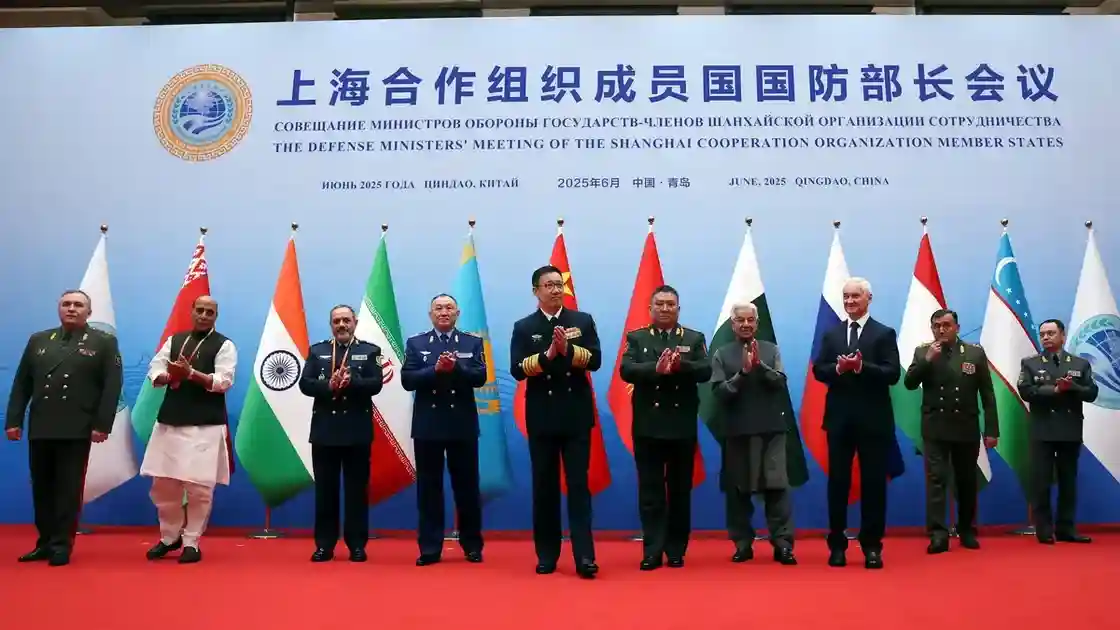
As Iran celebrated its self-declared victory, the Shanghai Cooperation Organization (SCO) convened in Qingdao, China. The defense ministers of Iran, Russia, and China gathered just as the ceasefire held between Israel and Iran. Though officially framed as a multilateral security summit, the meeting also served to realign global alliances amid growing instability.
Russian Defence Minister Andrei Belousov and Chinese Defence Minister Dong Jun echoed concerns about the deteriorating geopolitical climate. Their speeches emphasized a world in flux, increasingly defined by Western militarization and regional conflicts. Dong Jun specifically positioned the SCO as an “anchor of stability” in a chaotic global landscape.
Symbolic Unity or Strategic Alliance? Qingdao’s Quiet Diplomacy
While the SCO meeting was largely symbolic, it nonetheless hinted at deeper undercurrents. Iran’s defense minister’s presence in Qingdao just days after the ceasefire suggested a deliberate strategy to internationalize the conflict’s aftermath. However, analysts like Andrea Ghiselli of Exeter University expressed skepticism about the possibility of China providing military aid to Iran. “It would be seen as provocative by both Israel and, even more important for China, the US,” Ghiselli noted.
Beijing’s careful diplomacy underscores the limits of its influence. Though it has offered verbal condemnation of U.S. actions, China appears unwilling to engage militarily or economically in a way that could escalate tensions with Washington. This cautious posture reflects China’s balancing act—supporting Iran without derailing fragile Sino-American relations.
A War of Narratives: Media, Messaging, and Power Projection
The aftermath of the war has seen a fierce contest of narratives. On one side, the United States framed its intervention as a necessary measure to defend a key ally and maintain regional stability. On the other, Iran cast itself as a sovereign power resisting imperial aggression. Khamenei’s speech was not just a statement of victory but a carefully constructed narrative aimed at consolidating domestic support and projecting regional strength.
From Washington’s perspective, the operation was successful in blunting Iran’s capacity to further strike Israel. But Tehran’s focus on symbolism and resilience resonated deeply in the Muslim world, especially among Shia communities who view Iran’s stance as representative of a broader resistance front.
The Legality of U.S. Actions: Khamenei’s International Law Argument
Khamenei emphasized that the attacks on Iran’s nuclear infrastructure were not just militarily ineffective but legally indefensible. He argued that such strikes “would merit criminal prosecution in international courts.” This line of reasoning appeals to international audiences and non-aligned nations wary of the precedent such attacks set.
Legal scholars have long debated the legitimacy of preemptive strikes, especially those targeting nuclear programs. While the United States may justify its actions under the doctrine of anticipatory self-defense, Iran insists that the attacks were unprovoked acts of aggression—a stance likely to garner sympathy in forums like the United Nations General Assembly.
Implications for the Region: Uncertainty and Fragile Peace
As the dust settles, the region faces a tense, uncertain future. The ceasefire between Israel and Iran remains fragile. Both sides continue to rearm and reposition, and any miscalculation could reignite hostilities. The U.S. military presence in the region has grown, further complicating efforts at de-escalation.
For Tehran, the war may have ended, but the battle for narrative dominance is just beginning. Khamenei’s message was as much for the world as it was for his own people: Iran is not merely surviving—it is resisting and prevailing. Whether this perception holds in the coming months will depend largely on diplomatic maneuvers, regional alliances, and the shifting sands of international politics.
Conclusion: A War Without Winners, But With Lasting Consequences
While both Iran and the United States claim aspects of victory, neither can conclusively declare success. For the United States, the cost of involvement—both in resources and regional credibility—has raised serious questions about its strategic depth in the Middle East. For Iran, the ability to withstand high-tech American strikes and still project strength domestically is undeniably a short-term win.
But wars are not judged solely by battles won or lost. They are judged by the shifts they cause in global power structures, the alliances they fracture or forge, and the ideologies they strengthen or discredit. On that front, the Iran-Israel-U.S. conflict of June 2025 is far from over. It has simply evolved from the battlefield to the global stage, where every word—like those from Ayatollah Khamenei—carries the weight of missiles and the memory of war.