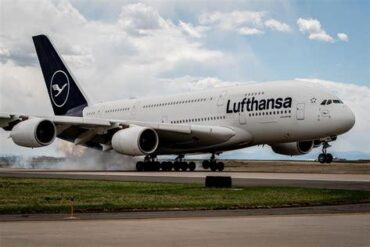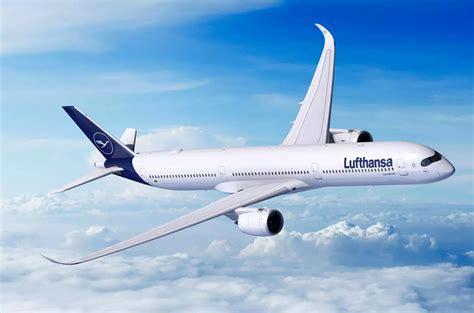
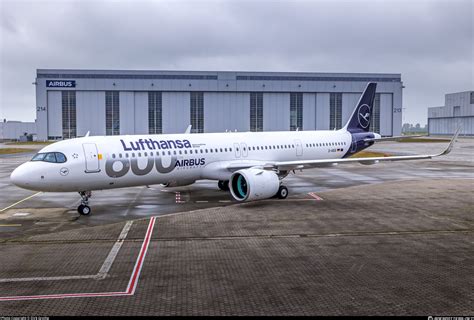
Lufthansa Flight LH980, an Airbus A321 en route from Frankfurt to Dublin, executed a sudden midair turnaround over United Kingdom airspace on July 7, 2025, sparking widespread speculation and raising fresh concerns over the stability of European aviation during the peak summer season. The incident, though resolved safely, has left the industry grappling with questions of operational resilience, safety protocols, and passenger trust.
A Routine Flight Turns into a Midair Mystery
The Airbus A321 departed Frankfurt Airport (FRA) with a full cabin of passengers expecting an uneventful hop to Dublin Airport (DUB). Skies were clear and the flight climbed without incident. However, as the jet neared the UK corridor, a decisive turn back was initiated, sending the aircraft on a return trajectory to Frankfurt. There was no immediate announcement from the cockpit, leaving passengers puzzled. It wasn’t until Lufthansa issued an official statement that the public became aware of the event.
While technical details remain undisclosed, the turnaround was executed in line with strict aviation safety protocol. Lufthansa emphasized that the flight crew acted “out of an abundance of caution” and that the aircraft landed safely back in Frankfurt with no reported injuries or visible damage. This cryptic explanation, however, has not quelled concerns.
Aviation Sector Under Pressure in 2025
The midair turnaround of Flight LH980 did not occur in isolation. It is emblematic of a European aviation industry already strained by adverse weather, labor shortages, and infrastructure bottlenecks. In recent months, the skies above the continent have become more congested and less predictable. Severe summer thunderstorms have grounded hundreds of flights, while airlines struggle to keep aircraft on schedule amid a shortage of trained pilots and ground staff.
LH980’s sudden return adds another stress test to an already fragile system. Even with one of Europe’s most trusted carriers at the helm, the unpredictability of flight disruptions has become a recurring theme this summer. Travelers are left asking: If Lufthansa can be forced to turn back mid-flight, who’s safe?
Ripple Effects Across Airports and Airlines
The consequences of LH980’s reversal went far beyond the cabin. In Frankfurt, the unexpected return forced ground crews to reshuffle aircraft gate assignments and maintenance checks. Flight schedules had to be rearranged in real time. In Dublin, preparations for the aircraft’s arrival were abruptly nullified, affecting customs, gate availability, and possibly connecting flights.
Every unscheduled return triggers a cascade of disruptions:
- Slot availability is thrown into chaos
- Aircraft rotations are delayed
- Crew duty hours must be re-evaluated
- Passenger itineraries need urgent rebooking
These disruptions come with enormous financial costs—not only for Lufthansa but for all stakeholders across Europe’s integrated air travel ecosystem.
Passengers Caught Between Confusion and Concern
Inside the cabin of LH980, the return to Frankfurt was carried out without panic, but confusion hung in the air. Passengers, many of whom were tracking the flight path in real-time via apps, noted the plane’s reversal and began speculating via social media.
In an era of digital immediacy, every incident becomes public within seconds. Passengers turned to platforms like X (formerly Twitter), Instagram, and TikTok to share their experiences, while aviation watchers tracked the aircraft’s change in trajectory. Lufthansa’s communication team quickly issued statements to avoid a reputational blowout, but the incident had already set off a wave of speculation.
Financial Stakes Rise with Every Disruption
Flight LH980’s abrupt return represents more than a logistical puzzle—it’s a costly financial detour. Lufthansa is likely facing obligations under EU Regulation 261/2004, which mandates passenger compensation in the event of significant flight disruption unless caused by extraordinary circumstances.
The costs multiply quickly:
- Fuel wasted during the U-turn maneuver
- Crew scheduling penalties for exceeding shift limits
- Technical inspections required before reassigning the aircraft
- Hotel and meal vouchers for stranded travelers
- Revenue loss from missed connections and rebookings
In today’s ultra-competitive aviation market, where fuel prices remain elevated and profit margins razor-thin, even a single flight’s disruption can have an outsized financial impact.
Safety at the Center of the Decision
Despite speculation, aviation insiders stress one point above all: the flight crew acted in line with safety-first doctrine. Every aircraft is equipped with extensive onboard diagnostics, and even minor technical anomalies can trigger protocols demanding a return.
Whether due to a sensor alert, mechanical irregularity, or health emergency, the reversal of LH980 underscores that the industry’s core principle—protecting life above all else—remains intact. Lufthansa’s decision to turn around was made in conjunction with air traffic control and company operations, suggesting that the issue, though not publicized, warranted serious attention.
Transparency and Trust in the Spotlight
Passengers today demand more than safe landings—they expect transparent communication, especially in moments of uncertainty. Incidents like the LH980 reversal test airlines’ ability to engage, inform, and reassure their customers.
The days of opaque corporate statements are over. Lufthansa has done well to acknowledge the return and promise further updates, but the pressure is now on to deliver a full explanation. Public trust in aviation rests not only on technical safety, but on the perception that airlines are honest, capable, and willing to confront issues head-on.
A Season of Surging Demand and Systemic Fragility
Summer 2025 was always going to be challenging. European carriers saw demand return to pre-pandemic levels, yet infrastructure and staffing have lagged. From Heathrow to Charles de Gaulle, airports are buckling under passenger volumes they are only partially prepared to handle.
Against this backdrop, the LH980 event serves as a sobering reminder of just how thin the operational margin for error has become. Airlines are flying full schedules with leaner resources, and even routine flights can suddenly become sources of operational chaos.
Industry Lessons and the Road Ahead
The aviation community will study the LH980 event closely. Regardless of the specific technical cause, the airline’s response will influence how regulators, competitors, and passengers view Lufthansa’s crisis preparedness.
Key lessons from this incident include:
- The need for rapid and detailed passenger communication
- Investment in real-time contingency planning systems
- Ongoing crew readiness training for unplanned events
- Technological upgrades to aircraft systems that aid in remote diagnostics and decision-making
Europe’s aviation regulators, including EASA (European Union Aviation Safety Agency), are likely to take an interest in the outcome of Lufthansa’s internal review. While the region boasts among the highest air safety standards globally, each incident adds a data point for future improvements.
The Broader Implication: Air Travel Is Still a Fragile Ballet
Despite all advancements, air travel in 2025 remains a finely choreographed ballet of coordination between machines, humans, and unpredictable variables. Flight LH980 reminds the world that even one misstep—whether technical or operational—can unravel a day’s worth of planning across an entire continent.
The industry is resilient, but it must remain vigilant. Lufthansa’s response in the coming days will likely include public disclosures, internal reviews, and possibly compensation for impacted travelers. For now, the focus remains on recovery and restoring public faith.
The skies over Europe remain bustling, but behind every smooth departure lies an intricate system where flexibility, readiness, and transparency are more crucial than ever.