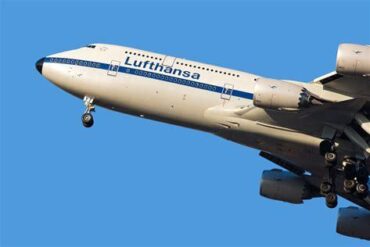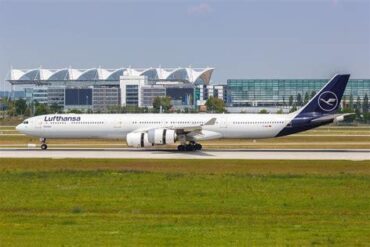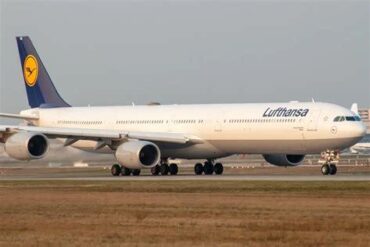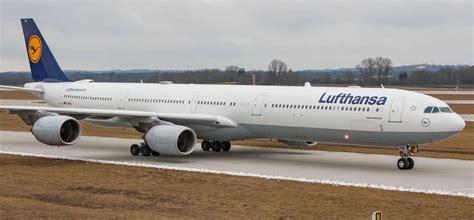
Lufthansa’s decision to retire its remaining Airbus A340s and Boeing 747-400s is not merely a symbolic farewell to aviation’s golden age—it is a calculated, financially driven transformation designed to reshape the airline’s future. For decades, these iconic quadjets defined long-haul travel, offering range, reliability, and unmistakable presence. Today, however, they represent inefficiency in a fiercely competitive, cost-sensitive industry.
The German flag carrier is executing one of the most ambitious fleet modernization programs in global aviation, targeting a complete phase-out of these legacy aircraft by 2028. This transition reflects a broader industry shift toward twin-engine efficiency, digital optimization, and environmental accountability. Lufthansa is not simply updating its fleet—it is redefining its economic model.
By replacing aging aircraft with next-generation widebodies, the airline aims to significantly improve profitability, reduce operating costs, and enhance passenger experience. The implications stretch far beyond fleet composition, influencing route strategy, investor confidence, and long-term competitiveness.
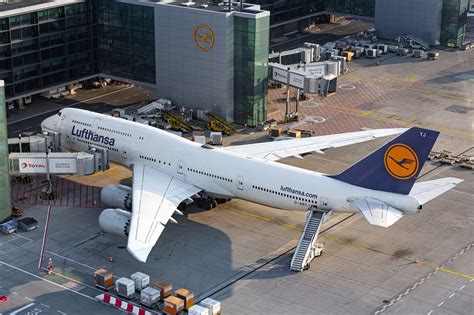
Why Lufthansa Is Phasing Out Quadjets Now
At the heart of Lufthansa’s strategy lies a relentless focus on earnings growth and financial resilience. The airline has set a clear objective: achieve an adjusted operating margin of 8–10% and generate over €2.5 billion in free cash flow by the end of the decade. These targets demand structural change, not incremental improvements.
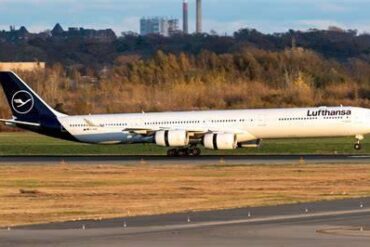
Older aircraft like the A340-300 and 747-400 are fundamentally misaligned with this vision. Their four-engine configuration results in higher fuel consumption, increased maintenance complexity, and elevated lifecycle costs. In an era where margins are tight and fuel remains one of the largest operational expenses, such inefficiencies are no longer sustainable.
Modern twinjets such as the Airbus A350 and Boeing 787 deliver up to 30% lower fuel burn per seat, dramatically improving cost efficiency on long-haul routes. This is not a marginal gain—it is a transformative leap that directly impacts profitability on every flight.
Beyond fuel savings, newer aircraft also reduce downtime through predictive maintenance systems, improve dispatch reliability, and offer greater flexibility in network planning. Lufthansa’s leadership understands that fleet modernization is the fastest route to financial optimization.
The Aging Reality of Lufthansa’s Legacy Fleet
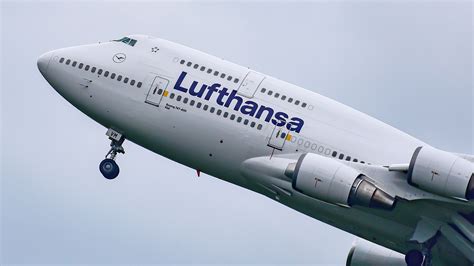
The numbers tell a compelling story. Lufthansa’s remaining Airbus A340-300s average over 26 years in service, while its Boeing 747-400s hover around 25.9 years. These aircraft belong to a different technological era—one that predates modern avionics, advanced aerodynamics, and fuel-efficient engine design.
While these jets were revolutionary in their time, their continued operation comes at a steep price:
- Escalating maintenance costs as components age and require more frequent servicing
- Reduced fuel efficiency, particularly on long-haul sectors
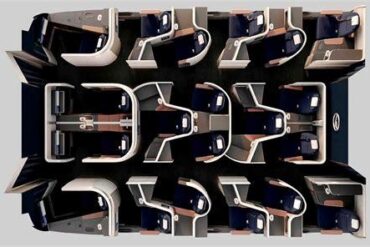
- Limited cabin modernization potential compared to newer platforms
Operating such aircraft in today’s market is akin to running legacy infrastructure in a high-speed digital economy. Competitors equipped with A350s, 787s, and upcoming 777X models can undercut fares while maintaining healthy margins—an advantage Lufthansa cannot ignore.
Investor Pressure and the Economics of Transformation
Lufthansa’s modernization push is also deeply tied to investor expectations and market performance. After struggling to regain pre-pandemic valuation levels, the airline needed a bold, credible strategy to restore confidence.
The response has been significant. Since unveiling its turnaround plan, Lufthansa’s share price has surged, reflecting strong investor belief in the airline’s direction. Analysts have even projected further upside, signaling that the market views fleet renewal as a cornerstone of future profitability.
This is not surprising. In capital-intensive industries like aviation, fleet composition directly influences financial health. Investors understand that efficient aircraft translate into stronger margins, better cash flow, and long-term sustainability.
Lufthansa’s approach sends a clear message: it is willing to make difficult decisions—retiring beloved aircraft included—to secure its economic future.
Operational Challenges Slowing the Retirement Timeline
Despite the clarity of its strategy, Lufthansa’s execution has faced significant hurdles. Aircraft retirements are not conducted in isolation—they depend heavily on the timely delivery of replacements.
Delays in the Boeing 787-9 program and the prolonged certification timeline of the Boeing 777X have forced Lufthansa to adjust its plans. The retirement of the Airbus A340-600, for instance, has already been postponed due to these constraints.
This creates a complex balancing act. The airline must:
- Maintain older aircraft longer than desired
- Deploy interim solutions, such as reallocating Airbus A350-900s
- Continuously adapt scheduling to align with uncertain delivery timelines
Such challenges highlight a critical reality: airline strategy is often at the mercy of manufacturer performance. Even the most well-designed transformation plan must remain flexible in the face of supply chain disruptions and certification delays.
Geopolitical Disruptions and Network Implications
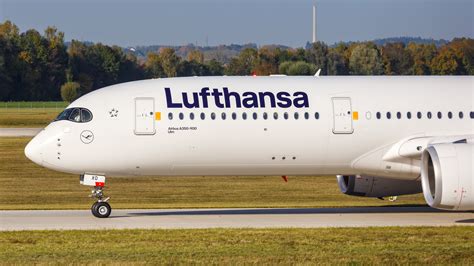
Adding another layer of complexity, geopolitical tensions have begun to reshape global aviation networks. Conflicts affecting the Middle East—a key transit region for Europe-Asia travel—have forced Lufthansa to suspend multiple routes.
This disruption impacts more than just scheduling. It affects fleet utilization, revenue streams, and strategic planning. Aircraft intended for high-demand routes may need to be redeployed, altering the expected return on investment for new fleet additions.
For Lufthansa, this underscores the importance of flexibility. Newer aircraft offer greater range and efficiency, enabling the airline to pivot quickly in response to changing geopolitical realities. In contrast, older jets lack this adaptability, further reinforcing the case for retirement.
How New Aircraft Will Replace the Old Guard
Lufthansa’s replacement strategy is both comprehensive and forward-looking. The airline has secured a robust order book that ensures continuity while enabling growth.
Key replacements include:
- Airbus A350-900 and A350-1000 for high-efficiency long-haul operations
- Boeing 787-9 Dreamliner for flexible, mid-capacity routes
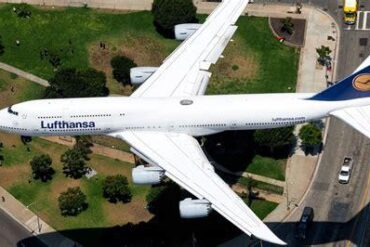
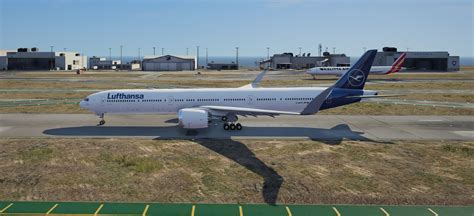
- Boeing 777-9 as the eventual successor to the 747-400
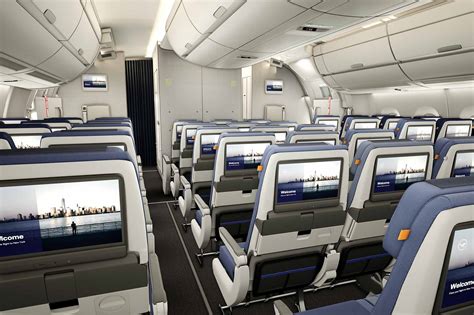
Each of these aircraft brings a unique advantage. The A350 combines range with passenger comfort, the 787 excels in fuel efficiency and route flexibility, and the 777-9 promises unmatched capacity and performance.
This diversified approach allows Lufthansa to optimize its network, matching aircraft size and capability to specific routes. The result is a more agile, cost-effective, and scalable fleet.
The End of an Era for Aviation Enthusiasts
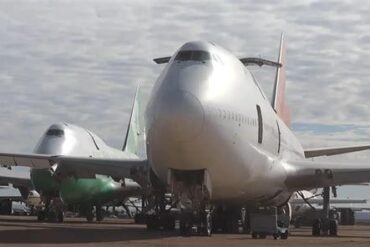
For aviation enthusiasts, Lufthansa’s decision marks the gradual disappearance of a rare sight: multiple quadjet types operating under a single airline. The Airbus A340 and Boeing 747-400 are not just aircraft—they are icons that defined long-haul travel for generations.
Their retirement signals a broader industry shift. Airlines worldwide are moving away from four-engine aircraft, embracing twinjets that offer superior economics without compromising performance.
While this transition improves efficiency, it also represents a loss of diversity in aircraft design. The skies are becoming more standardized, dominated by a handful of highly optimized models.
Yet, from a business perspective, the rationale is undeniable. Nostalgia cannot justify the operational disadvantages of outdated technology.
Profitability Gains and Competitive Advantage
The financial benefits of retiring older aircraft extend beyond fuel savings. Lufthansa stands to gain across multiple dimensions:
- Lower maintenance and repair costs
- Improved on-time performance and reliability
- Enhanced passenger experience with modern cabins
- Reduced carbon emissions aligning with sustainability goals
These improvements collectively strengthen Lufthansa’s competitive position. In an industry where margins are thin and competition is intense, even small efficiency gains can translate into substantial financial impact.
By 2030, Lufthansa aims to effectively double key financial metrics, a goal that would have been unattainable without aggressive fleet renewal.
Looking Ahead: Lufthansa’s 2028 Milestone
All eyes are now on 2028—the year Lufthansa expects to complete the retirement of its remaining A340s and 747-400s. Achieving this milestone will depend on several critical factors:
- Timely delivery of Boeing 787-9 and 777-9 aircraft
- Stability in global supply chains
- Continued recovery and growth in international travel demand
If successful, Lufthansa will emerge with one of the most modern and efficient long-haul fleets in the world. This transformation will not only improve financial performance but also position the airline as a leader in sustainable aviation.
Conclusion: Strategy Over Sentiment
Lufthansa’s retirement of the Airbus A340 and Boeing 747-400 is a defining moment in its evolution. It reflects a clear, disciplined strategy focused on efficiency, profitability, and future readiness.
While these aircraft have served the airline with distinction, their time has passed. The economics of modern aviation demand innovation, not nostalgia. By embracing next-generation aircraft and committing to large-scale modernization, Lufthansa is securing its place in an increasingly competitive global market.
The transition may mark the end of an era, but it also signals the beginning of a new chapter—one defined by smarter operations, stronger financial performance, and a fleet built for the challenges of tomorrow.