Venezuelan President Nicolás Maduro has been forcibly removed from power and transported to New York City following a complex, multi-branch U.S. military operation. His capture and transfer—covert, swift, and unprecedented—culminated in his detention at the notorious Metropolitan Detention Center (MDC) in Brooklyn. The operation, executed by Delta Force, the U.S. Navy, Air Force, and Army, represents a dramatic shift in international enforcement strategy.
The Capture: Caracas Compound Breached By Delta Force
In a pre-dawn raid, Maduro and his wife were apprehended at their heavily fortified compound in Caracas. Witnesses described a thunderous blast that shattered windows and obscured vision with smoke. This sudden display of military might marked the end of a weeks-long build-up in the Caribbean. Aircraft carriers and Navy destroyers had been repositioned in silent anticipation of the strike. The multi-pronged assault involved airborne units and elite commandos who descended on the Venezuelan capital with surgical precision.
Ana Vanessa Herrero, a reporter on the ground, recalled: “I heard a huge sound, a loud bang. It moved all the windows. Immediately after, I saw a huge cloud of smoke that almost blocked the entire view. Planes and helicopters were flying all over the city.”
Inter-Island Transfers: Sea, Air, and Silence
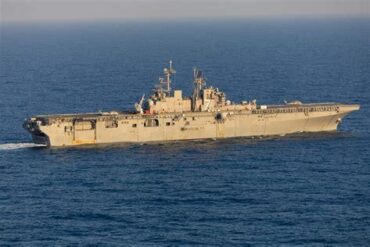
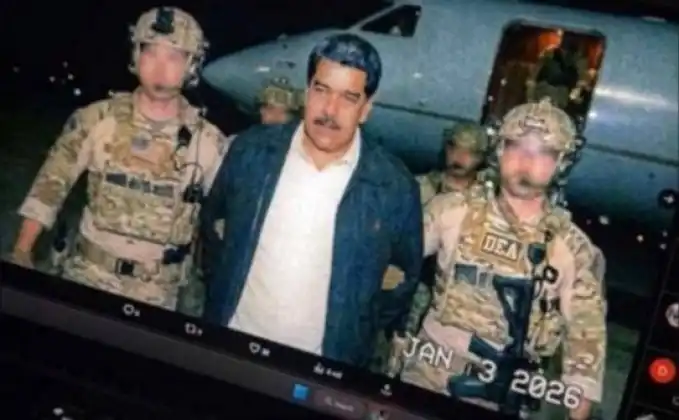
Once in custody, Maduro’s journey to the United States unfolded in silence, marked by a series of secretive transfers that baffled observers and investigators alike. The initial extraction saw the couple helicoptered to the USS Iwo Jima, a U.S. Navy assault ship capable of deploying Marine Corps helicopters, V-22 Ospreys, and F-35B Lightning II fighter jets. From there, they were transferred to Puerto Rico, where grainy images emerged showing a group hurriedly crossing a military tarmac to a C-130 Hercules transport plane.
The staging at Ramey Base, located at Rafael Hernandez International Airport, was the next major waypoint. This former U.S. Air Force base, now a shadow site for American operations, became the springboard for the final leg of the transfer.
The Aircraft: DOJ’s Boeing 757 Becomes the Most Tracked Plane
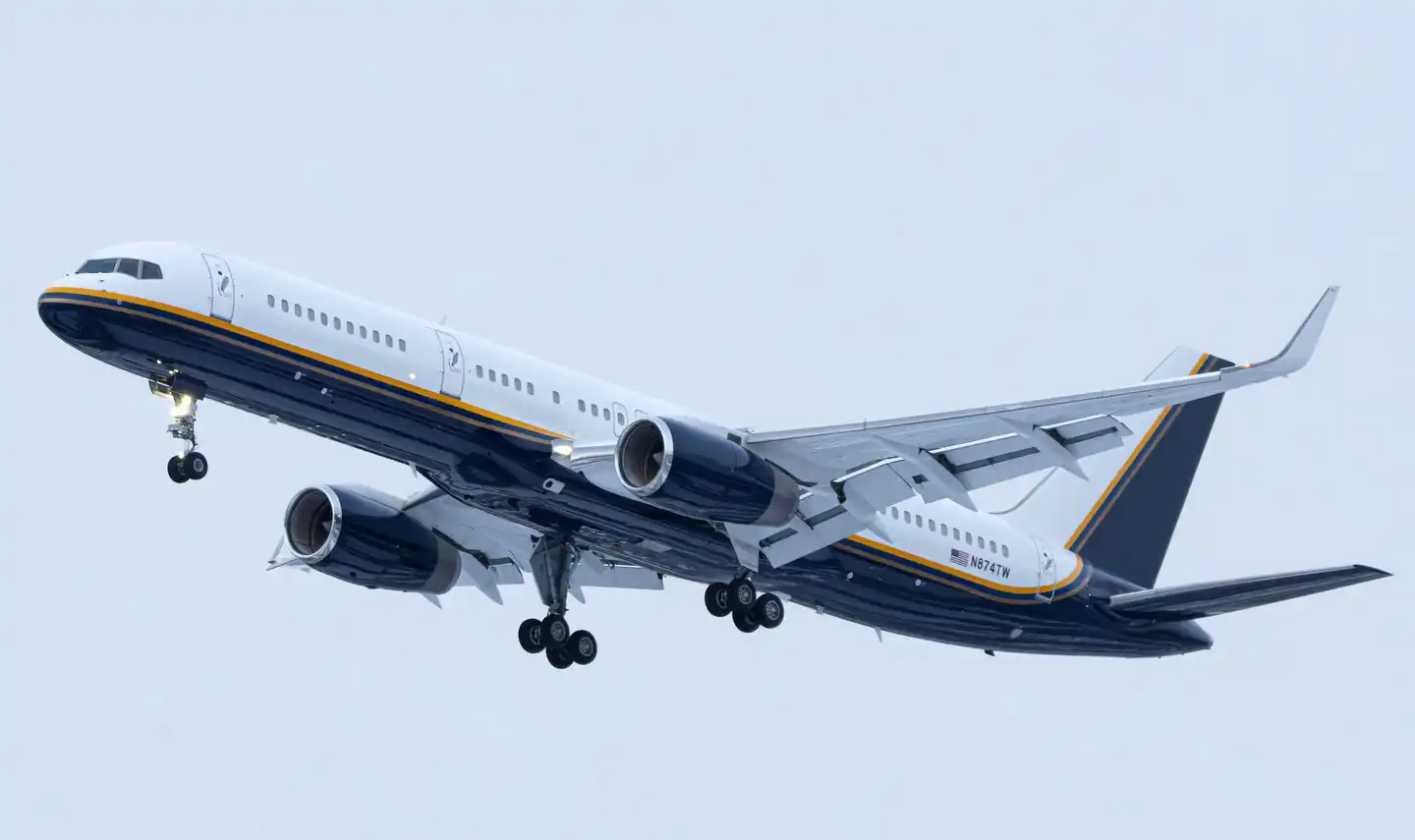
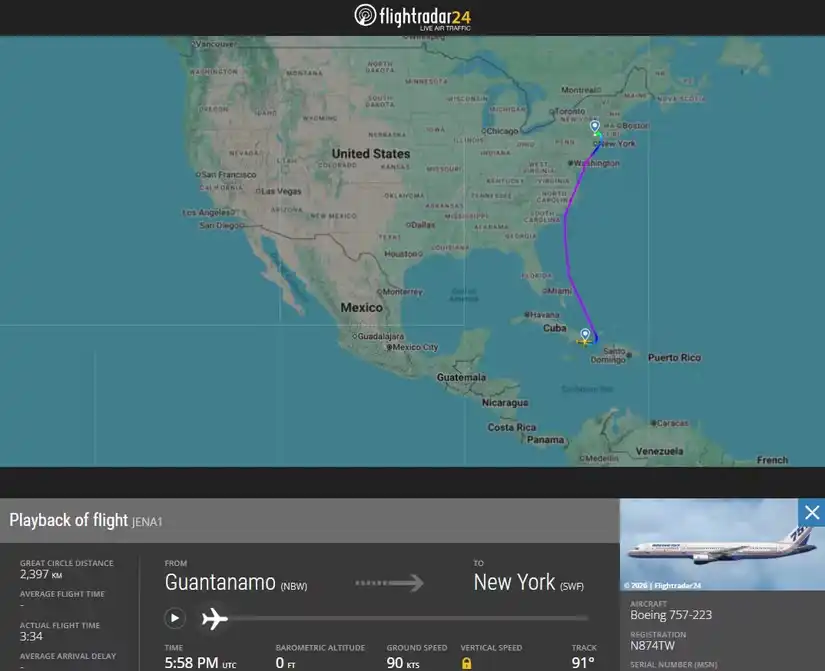
Departing Guantanamo Bay under heavy surveillance, the Department of Justice’s Boeing 757 (tail number N874TW) gained notoriety as the most tracked plane in the world on that day. Flight tracking platforms lit up as users worldwide followed the 3.5-hour flight with unprecedented intensity. The 36-year-old aircraft, originally built for American Airlines in 1989 at Boeing’s Renton facility, has had a storied past.
The 757 was acquired by defense contractor L3 Communications in 2012 and transferred to the DOJ in 2014. Equipped with winglets in 2008 and designated with the manufacturer serial number (MSN) 24524, it has operated under various federal assignments. Its latest mission—transporting a sitting foreign president turned detainee—is arguably the pinnacle of its career.
The aircraft landed at Stewart Air National Guard Base in New York, a strategic facility that provides logistical cover for high-profile operations. Maduro was subsequently driven under heavy escort to MDC Brooklyn.
Inside MDC Brooklyn: The Notorious Federal Holding Facility
Now housed at the Metropolitan Detention Center, Maduro finds himself among a long list of notorious inmates. The MDC has garnered attention for its harsh conditions, including extended lockdowns, lack of heating, and severe overcrowding. Once a global figure of power, Maduro now occupies a facility that has previously held drug lords, arms traffickers, and international fugitives.
According to federal sources, Maduro will be interrogated by the Department of Justice’s Office of International Affairs, with potential charges ranging from narcoterrorism to crimes against humanity. Sources within the federal legal system suggest sealed indictments have been in place for years, with classified surveillance and intercepted communications forming the core of the prosecution.
The DOJ’s Secretive Aviation Fleet
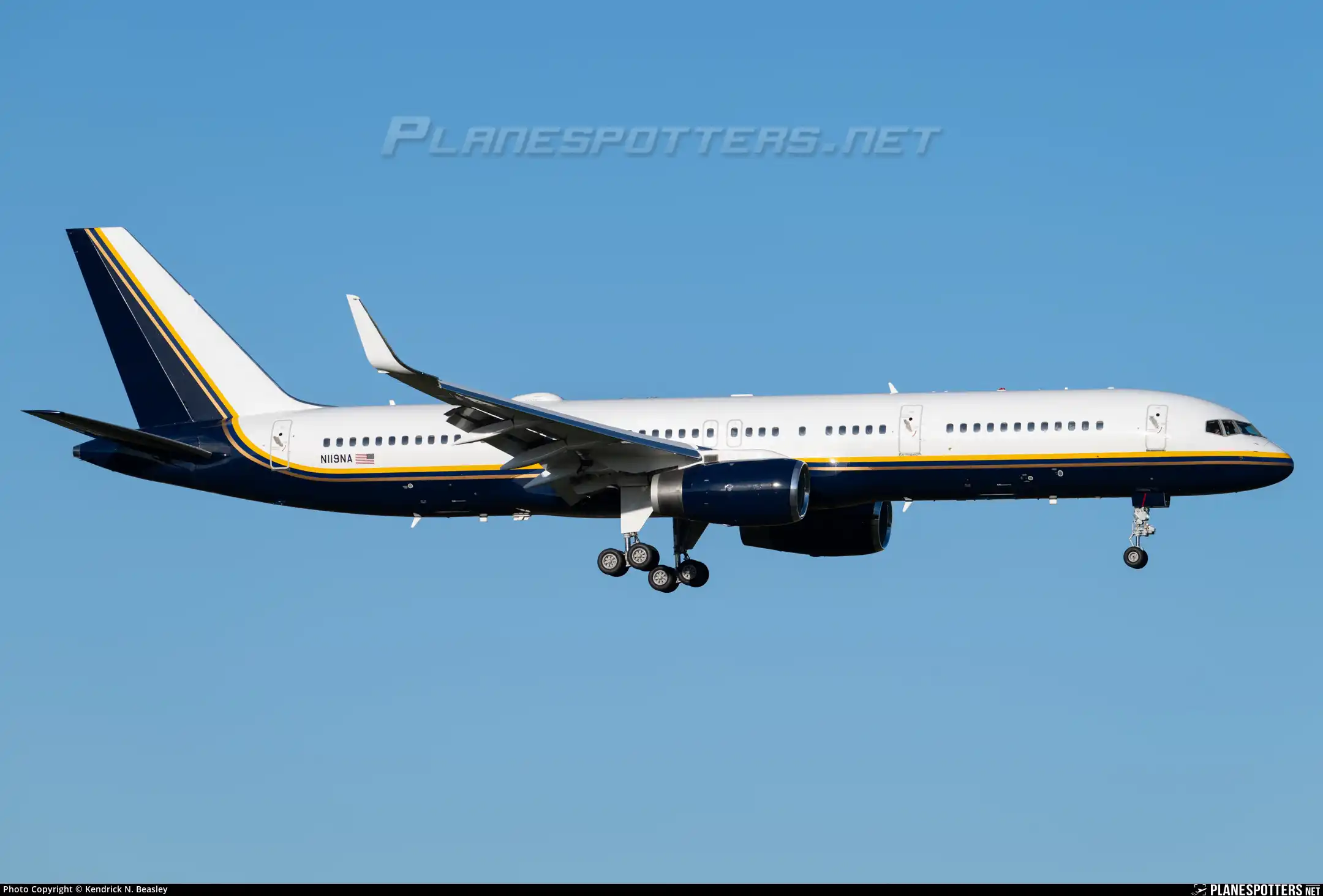
This operation has also cast light on the shadowy fleet of aircraft operated by the U.S. Department of Justice. Alongside the 757 that carried Maduro, the DOJ owns another Boeing 757—tail number N119NA—also acquired via L3. These aircraft are maintained for prisoner transport, extradition operations, and covert international missions. Their longer range and larger capacity make them uniquely suited for high-value detainee transfers.
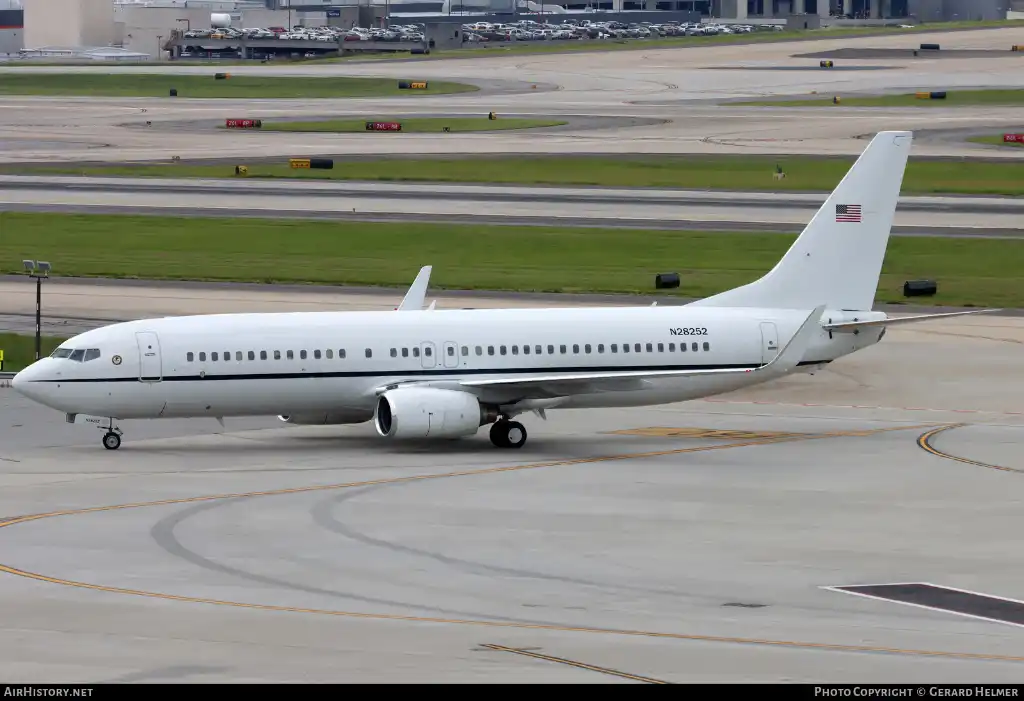
Additionally, the DOJ operates a Boeing 737 (N28252), a 23-year-old aircraft with an international legacy. Originally delivered to Yemen Airways in 2002, it has since flown for Air Jamaica, Caribbean Airlines, and eventually became part of AerCap’s leasing portfolio. It was acquired by the DOJ in 2024 and serves complementary functions within the agency’s aviation operations.
A Clandestine Symbol: What Maduro’s Capture Signals
Maduro’s extraction sends a powerful geopolitical message. It highlights the United States’ willingness to act unilaterally when it comes to securing its national interests and upholding international law. More than a decade of allegations concerning drug trafficking, human rights abuses, and systemic corruption has culminated in this dramatic shift. His removal was not merely symbolic—it was surgical, calculated, and absolute.
His arrest also throws a spotlight on the broader strategy of extraterritorial enforcement, where U.S. agencies increasingly rely on elite forces and federal aviation assets to conduct operations outside conventional legal boundaries. The implications are vast, especially for leaders accused of international crimes who once believed themselves untouchable.
As Maduro awaits his arraignment, questions remain about who orchestrated the timing, what international agreements were invoked, and how regional powers responded. What is clear, however, is that this operation—silent in planning but thunderous in execution—will redefine the playbook for global justice.