A Groundbreaking Test of Life Beyond Earth
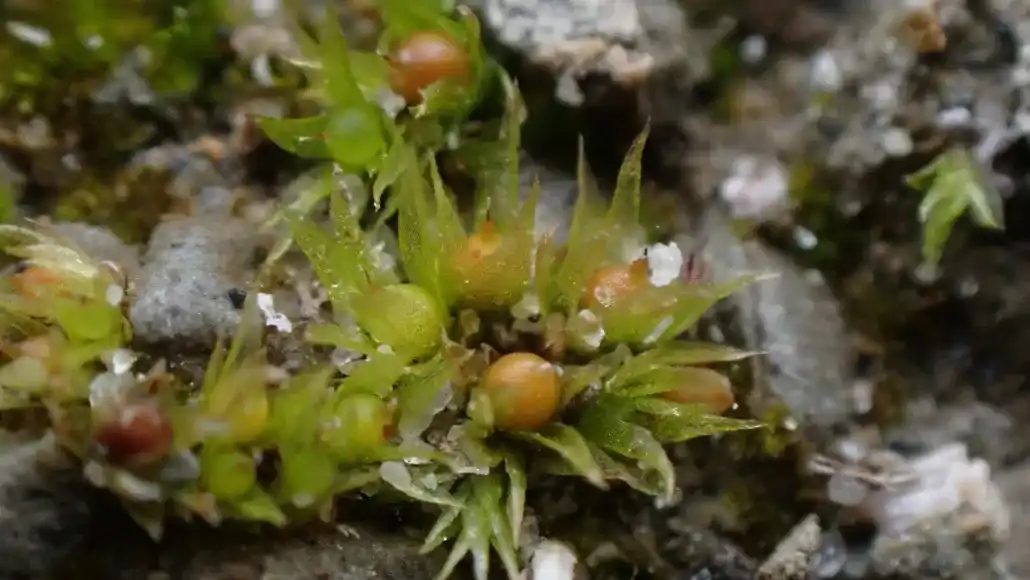
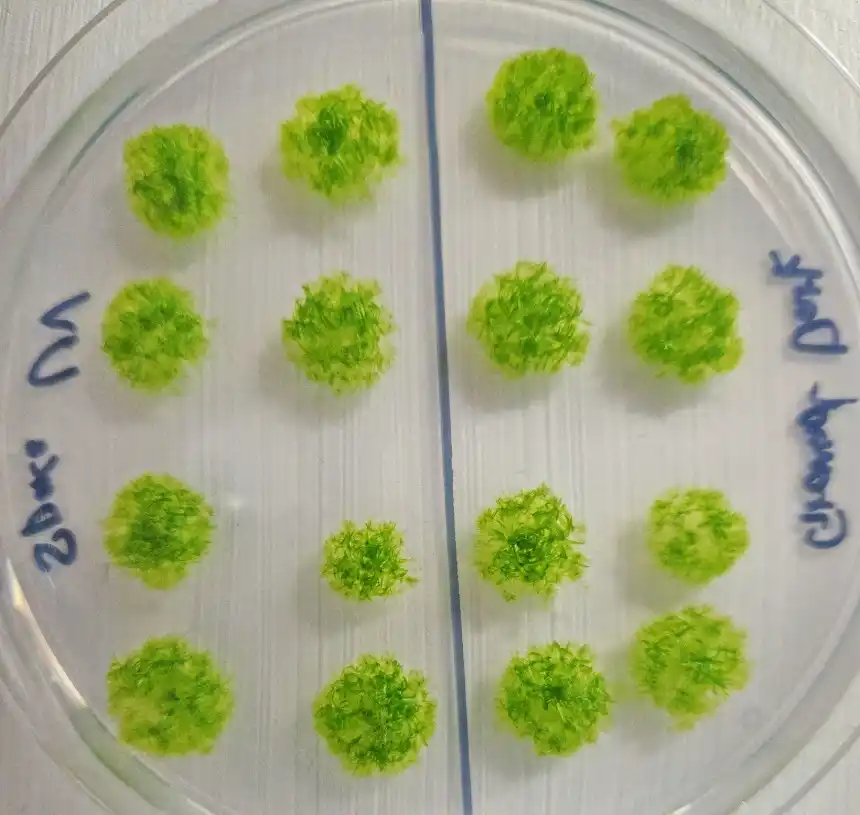
In a bold leap for astrobiology and space agriculture, scientists recently confirmed that moss spores survived for over nine months on the exterior of the International Space Station (ISS). As part of the Tanpopo 4 mission, researchers tested the viability of Physcomitrium patens in open space—exposing it to the vacuum, intense radiation, and wild temperature swings that define low Earth orbit. What they discovered not only redefines our understanding of plant resilience but also opens promising paths for sustaining life on other planets.
Moss Encased in Nature’s Armor
The researchers chose to send moss spores encased in their sporophyte structures, a critical phase in the moss life cycle known for resilience. These structures offer a robust defense mechanism—outer cell layers that insulate against desiccation, UV radiation, and thermal extremes. This isn’t coincidental. Mosses, among the earliest land plants, developed such features to transition from aquatic to terrestrial life. Their evolutionary adaptations now appear to serve them well, even beyond the confines of Earth.
Under controlled lab simulations, the sporophyte-encased moss spores maintained a remarkable 80% germination rate after enduring -80°C (-112°F) for 30 days, and still showed a 36% germination rate after 30 days at 55°C (131°F). These figures, achieved on Earth, laid the groundwork for testing the moss in the even harsher real-world conditions of space.
A Resilient Pioneer Species in Orbit
Once exposed for 283 days on the outer hull of the ISS, the spores demonstrated their toughness. Post-exposure, 86% of the moss successfully germinated, compared to 97% of the control group maintained on Earth. The relatively small drop in viability astounded scientists. Far from withering under the stress of orbit, the moss adapted impressively well.
Surprisingly, UV radiation emerged as the principal threat, accounting for an 11% drop in germination when compared to the Earth-based control. Neither temperature fluctuations nor the vacuum of space appeared to significantly damage the spores. Even so, all samples—including those shielded from UV—exhibited approximately 20% chlorophyll degradation. This suggests that not just UV, but the full spectrum of unfiltered solar light in space contributed to cellular stress.
This experiment marked the first confirmed instance of bryophyte spores surviving actual space exposure and returning to Earth with viable life potential. While tardigrades and certain bacterial spores have previously demonstrated similar feats, the success of moss offers a new biological option for future missions.
A New Chapter for Space Agriculture
The implications go far beyond novelty. Using the experimental data, researchers developed a model estimating that Physcomitrium patens could potentially survive in space for over 5,600 days—nearly 15 years. Though this projection is based on just two data points, the longevity it suggests is compelling. Naturally, further testing is essential to validate and refine this estimate.
The real excitement, however, lies in what mosses like Physcomitrium patens can do for space colonization and life support. As pioneer species, mosses lay the groundwork for more complex life by enriching soil and fixing carbon. On Earth, peat moss ecosystems support biodiversity and regulate moisture. In space, these same traits could be harnessed for bio-regenerative life support systems.
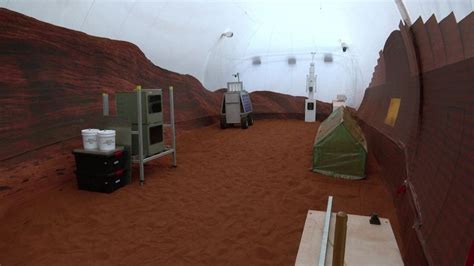
Unlike more delicate plants or fast-growing algae, mosses tolerate low-light environments, need minimal resources, and offer oxygen production alongside carbon dioxide absorption. Their compact structure also makes them efficient for enclosed biospheres, lunar greenhouses, and Martian domes where space, light, and resources are limited. This resilience positions moss as a strategic organism for sustaining long-term human presence off-planet.
Toward Sustainable Life Beyond Earth
As space agencies and private companies race toward the Moon, Mars, and beyond, one of the greatest hurdles remains life support and food security. This moss experiment, seemingly modest, represents a pivotal proof-of-concept that pushes space agriculture from theoretical to tangible. It shifts our perspective from merely surviving in space to beginning to think seriously about thriving there.
By confirming that Physcomitrium patens can not only survive but remain viable after prolonged exposure to space, scientists are not just rewriting botany textbooks—they are laying the biological foundations for interplanetary settlement. And it all began with a handful of moss, clinging to the cold metal surface of the International Space Station, 250 miles above our world.