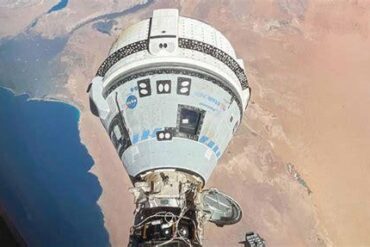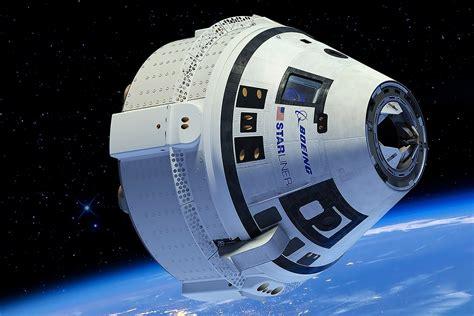
Progress has been slow compared to the parallel evolution of SpaceX’s Dragon capsule, which launched years earlier, accumulated over a dozen successful missions, and established a reliability profile that NASA now depends on. The Starliner’s journey has been defined by delays, technical failures, and redesigns, leaving the agency with narrowed launch windows before the International Space Station retires in 2030.
The upcoming cargo-only mission is slated for no earlier than April 2026, following aggressive testing of its propulsion system and avionics. NASA’s Commercial Crew Program leadership has emphasized that every subsystem is undergoing a full certification review to prevent past errors from resurfacing. The hope is that this conservative approach will transform the spacecraft from a liability into a viable second option for human spaceflight.
Revisiting Starliner’s Turbulent First Missions
We look back at the formative failure of 2019, when a software timing error sent the uncrewed Starliner off course, burning precious fuel and eliminating any possibility of docking with the ISS. That test, intended to be the program’s confident debut, instead triggered months of reevaluation and a forced redesign of critical architecture. Boeing sought to redeem the project in subsequent tests, yet recurring thruster malfunctions and helium leaks continued to surface.
The 2024 Crew Flight Test demonstrated both promise and peril. NASA astronauts Butch Wilmore and Suni Williams managed to dock the Starliner with the ISS, but the mission was overshadowed by malfunctioning reaction control thrusters that compromised reliability. NASA ultimately opted to bring the crew home aboard a SpaceX Dragon capsule, leaving the Starliner to return empty. The ordeal left the astronauts stranded in orbit for nine months, prompting intense scrutiny of Boeing’s systems engineering processes.
The propulsion system’s shortcomings, combined with flight computer reconfiguration difficulties, drove NASA to reduce the number of contracted Starliner missions from six to four. Each remaining opportunity now becomes a high-stakes proving ground for Boeing as it races against the looming sunset of the ISS.
Operating in the Long Shadow of SpaceX’s Dragon
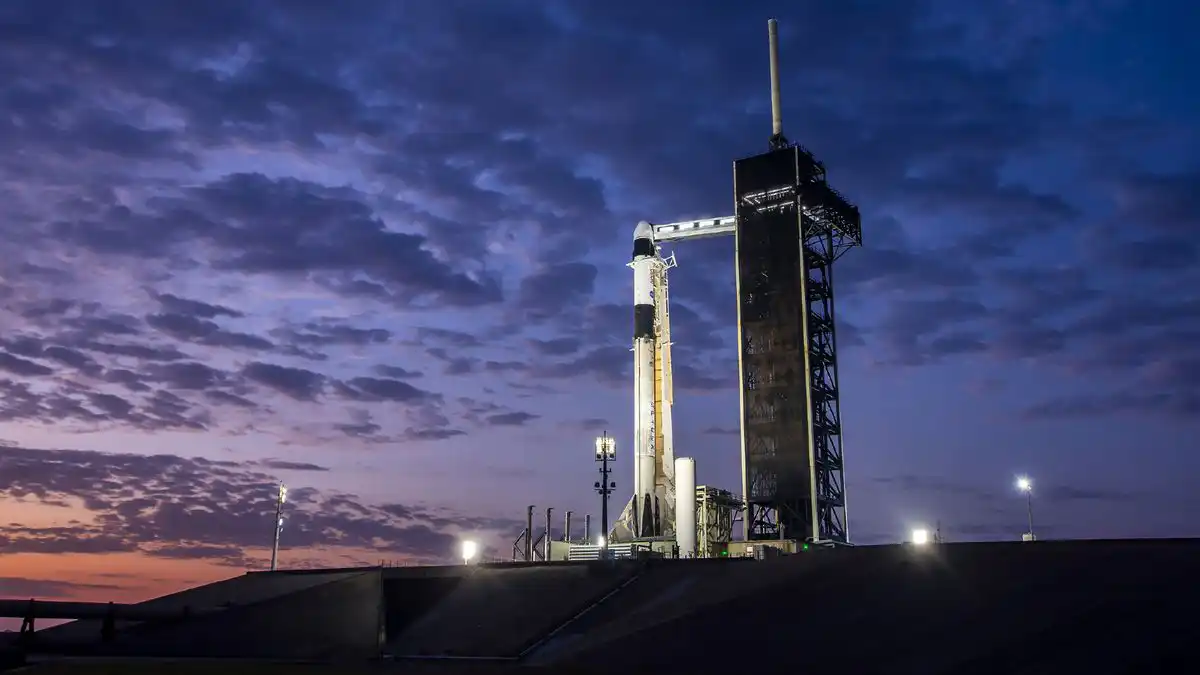
We place the Starliner program in direct contrast with SpaceX’s iterative development model, which relied on rapid prototyping, test flights, and swift design revisions. This “build-test-learn” philosophy allowed SpaceX to validate systems faster and respond to anomalies with unmatched agility. Boeing’s more traditional, sequential engineering workflow delayed problem discovery until late in the process, resulting in cascading delays and costly retrofits.
The gap widened further due to SpaceX’s mastery of reusable hardware. The Falcon 9 booster and Dragon capsule repeatedly demonstrated reliability and cost efficiency, creating a virtuous cycle of operational experience that Boeing could not match. NASA, seeking independence from Russian Soyuz flights, leaned heavily on Dragon missions to maintain crew rotation, a reliance that continues as Starliner fights to regain momentum.
Culture, Process, and the Road to Redemption
We trace the Starliner’s struggles partly to Boeing’s internal culture, which found itself adapting slowly to modern aerospace development norms. The absence of recent experience building crew capsules amplified the challenge, leaving gaps in systems integration and failure-mode anticipation. Still, Boeing remains determined to deliver a safe second crew transport option, and NASA continues to support the effort to maintain redundancy in human spaceflight.
The upcoming cargo-only mission represents more than a simple test; it is a referendum on the program’s viability. A flawless performance could restore confidence and pave the way for the final three crewed opportunities the company has left. A misstep, however, risks relegating Starliner to a footnote in the commercial crew era.
The path forward is narrow but navigable. In solving the Starliner’s long-standing issues, Boeing has a chance to demonstrate that methodical engineering—when paired with rigorous testing—can still carve out a place in a landscape shaped increasingly by iterative, hardware-rich experimentation. The outcome will help shape NASA’s crew strategy through the final years of the ISS and into the next generation of orbital platforms.