On January 2, 2026, NASA officially closed the doors of the Goddard Information and Collaboration Center, marking a profound and potentially irreversible moment in the preservation of space history. Nestled within the renowned Goddard Space Flight Center, this library housed over 100,000 volumes of aerospace records — a trove of human ingenuity, ambition, and exploration. Among these volumes are detailed technical documents, mission logs, theoretical proposals, and government correspondences spanning decades of Moon exploration efforts, both American and Soviet.
For space historians, scientists, and engineers, this closure feels like more than the loss of a building — it’s the quiet silencing of a collective memory, much of which may never speak again.
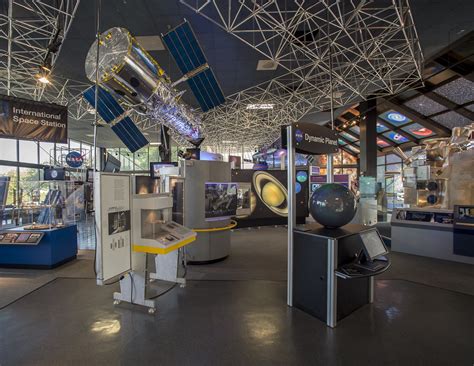
The Symbolic and Strategic Importance of the Goddard Library
The Goddard Library wasn’t just a regional reference center. It served as a repository of multi-decade knowledge relevant not only to past missions but to future expeditions, especially as the United States pushes for a return to the Moon amid a new era of global space competition. The closure threatens the survival of this institutional memory at a time when space agencies are preparing for lunar bases and potential Mars landings.
This wasn’t an isolated facility either. After NASA closed the Washington, D.C. headquarters library, many of those invaluable records were transferred to Goddard. What happens to them now is uncertain — and troubling.
A Gradual Dismantling: From Eleven to Three Libraries
NASA has been methodically reducing its network of libraries over the past several years. In 2022, the agency still operated eleven libraries across its facilities. As of January 2026, that number has dropped to just three remaining. While NASA officials, like spokeswoman Bethany Sevens, argue that this is a “consolidation, not a closure,” the distinction may be bureaucratic rather than practical.
The original vision accompanying this consolidation included the construction of modern replacement facilities. But, according to public reports and internal sources, no follow-up or tangible progress has been made on that front.

What Will Be Saved, What Will Be Lost
Currently, library staff are in a triage mode, painstakingly combing through the contents to assess what can and should be preserved. The workers’ union representing the Goddard staff reports that only 10–15% of the materials are expected to be directly preserved within NASA’s remaining libraries.
The vast majority of documents are being transferred to the General Services Administration (GSA). In government terms, this means a mixture of outcomes:
- Some records may be stored in federal warehouses.
- Others will be discarded or destroyed under standard deaccession protocols.
In an era where digital preservation is possible but expensive, the risk of these primary sources being lost forever looms large. These aren’t just outdated manuals — they’re the foundational blueprints of humanity’s leap into the cosmos.
Violations, Unions, and Unanswered Questions
Adding complexity to this controversial move is the allegation that the closure violates existing contracts with the union representing the library staff. The organization has suggested potential legal action or internal grievance procedures, and these disputes could delay or reshape how the consolidation plays out.
This pattern aligns with broader shifts in NASA’s internal structure, particularly those catalyzed under the Trump administration. The push toward smaller government footprints led to an acceleration of library closures, early retirements, and staff buyouts. Whether these short-term savings will ultimately fuel innovation or hollow out NASA’s legacy remains an open question.
The Impact on Future Missions and Research
The closure comes at a particularly inopportune moment. With NASA’s Artemis program ramping up and private-public partnerships expanding under the leadership of new administrator Jared Isaacman, the need for deep technical research has never been higher.
Yet with reduced access to historical documentation — everything from lunar module stress-test data to Soviet mission debriefings — new missions may unknowingly repeat past mistakes or miss crucial insights buried in decades-old memos.
Moreover, researchers, journalists, students, and aerospace contractors who once relied on Goddard’s open archive may find themselves cut off from source material. These records are not merely academic — they are integral to building the next generation of spacecraft, planning trajectories, and understanding historical context.
Hope in Preservation — Or Is It Just a Mirage?
While NASA has expressed an intent to relocate select materials to its remaining libraries, the silence around a concrete plan or updated digital infrastructure raises doubts. The promise of digitization sounds ideal in theory, but converting hundreds of thousands of fragile, often handwritten or microfiche-based documents is a monumental undertaking that requires both funding and expertise.
If this initiative is not fully funded and executed, we may see irreplaceable materials vanish into obscurity. And with no roadmap yet announced for how these materials will be made available again — whether through public access or internal reference — the closure feels more like a disappearance than a reorganization.
A Cultural and Scientific Black Hole
Ultimately, the closing of NASA’s biggest library is more than just a bureaucratic reshuffle. It represents a potential rupture in the continuity of aerospace knowledge — a quiet erosion of the paper trail that connects Sputnik to Apollo to Artemis.
The story of space exploration isn’t just etched on the Moon’s surface; it’s written in technical specs, committee memos, design failures, and the aspirations of thousands of engineers whose contributions were quietly logged into binders that now sit on pallets, waiting to be saved — or shredded.
What’s at stake is not just old paper, but a record of human ambition reaching beyond Earth, painstakingly built, logged, and now possibly dismantled without ceremony.
If the current trajectory continues, we may one day look back at January 2, 2026, as the day we closed the vault on our cosmic past — and with it, perhaps, our future.