For decades, every object carried aboard a NASA spacecraft has been subjected to relentless scrutiny. Weight, radiation tolerance, battery chemistry, electromagnetic interference—nothing escapes examination when human lives depend on flawless engineering. Yet in 2026, NASA signaled a subtle but powerful cultural shift: astronauts will now be permitted to bring modern smartphones, including iPhones, on lunar missions. What sounds like a minor policy tweak is, in fact, a meaningful evolution in how the agency balances innovation, safety, and storytelling.
Space has always demanded purpose-built hardware. Specialized cameras, ruggedized laptops, and mission-specific instruments dominated crew equipment lists. Consumer electronics were largely excluded, not because they lacked capability, but because NASA’s certification process is notoriously rigorous. Introducing a commercial smartphone into that ecosystem required rethinking long-established approval pathways.
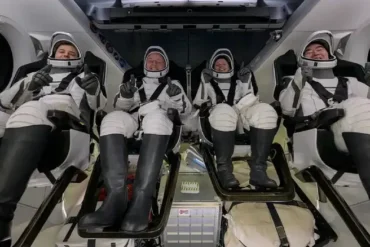
The announcement came from NASA Administrator Jared Isaacman, who confirmed that astronauts beginning with SpaceX Crew-12 and Artemis II will carry the latest smartphones. The objective is straightforward yet profound: empower astronauts to document their journeys with tools that are intuitive, powerful, and capable of capturing high-resolution imagery and video for both personal archives and public inspiration.
From Nikon DSLRs to iPhones on the Moon
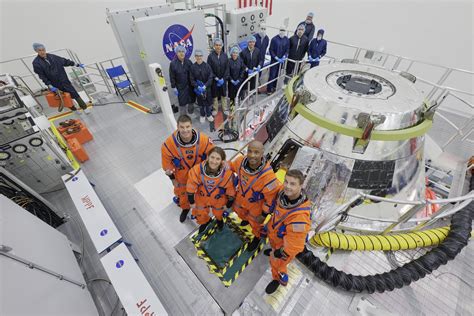
Until now, astronaut photography has relied heavily on professional-grade equipment. For Artemis II, crews were approved to use a 2016-era Nikon DSLR and GoPro cameras—reliable tools, but dated in comparison to the computational photography capabilities embedded in modern smartphones.
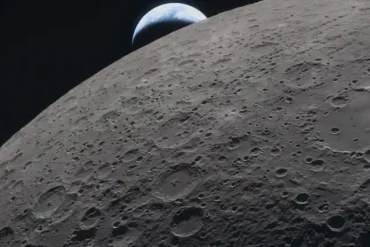
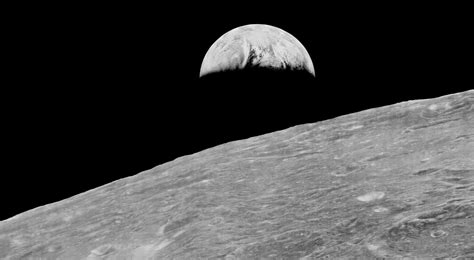
Today’s iPhones leverage advanced image sensors, machine-learning-powered image processing, and high-dynamic-range video systems that rival professional rigs. While they cannot compete with the scientific precision of instruments like the James Webb Space Telescope, they excel at capturing spontaneous, human moments. A candid snapshot of Earth rising over the lunar horizon or a crew selfie framed by deep space carries emotional resonance that no robotic probe can replicate.
The change reflects recognition that space exploration is not only technical—it is human. Allowing astronauts to document their experiences in familiar ways bridges the distance between orbit and Earthbound audiences.
Why NASA Had to Loosen Its Own Rules
Approving smartphones for lunar missions required more than a signature. NASA’s certification process evaluates hardware against stringent criteria: fire safety, battery stability in vacuum conditions, radiation exposure limits, and electromagnetic compatibility with spacecraft systems. Lithium-ion batteries, in particular, demand careful vetting to eliminate risk of thermal runaway.
Isaacman acknowledged that integrating smartphones necessitated challenging and accelerating traditional procedures. That does not mean standards were lowered; it means they were reassessed in the context of modern commercial technology that has matured significantly over the past decade.
This move represents a bureaucratic recalibration. NASA historically designs or commissions hardware tailored for space. Allowing high-performance consumer devices signals a strategic willingness to integrate commercial innovation more fluidly—an approach aligned with the agency’s broader partnerships with private firms like SpaceX.
iPhones in Space: Not Entirely New
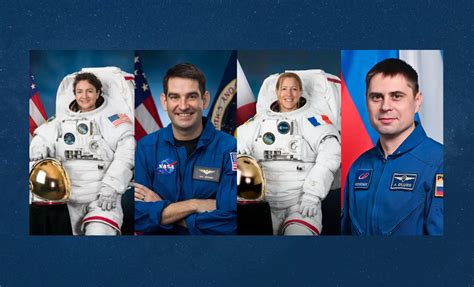
While lunar approval marks a milestone, iPhones are not strangers to orbit. In 2011, two iPhone 4 units flew aboard the Space Shuttle Atlantis running an app called SpaceLab to support experiments aboard the International Space Station. NASA spokesperson Bethany Stevens later confirmed that smartphones have also flown on commercial missions for roughly a decade.
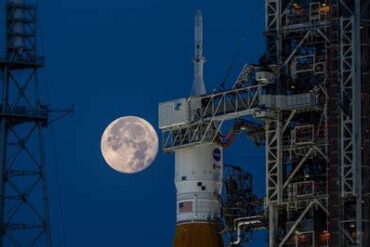
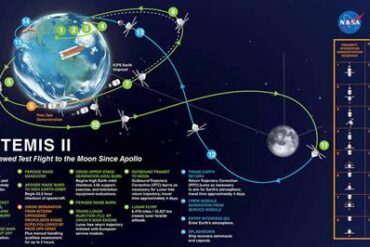
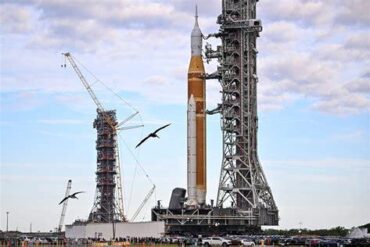
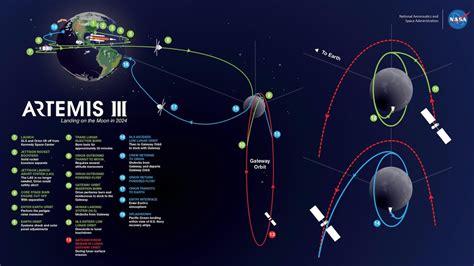
The difference now is symbolic scale. Orbit is one thing; the Moon is another. Artemis II will send astronauts around the Moon for the first time since Apollo. Carrying smartphones on such a mission embeds consumer technology into a historic chapter of human exploration.
Artemis II and the Era of Personal Spaceflight Storytelling
With Crew-12 launching February 13 and Artemis II scheduled for March 6, the timing underscores NASA’s confidence in integrating modern digital tools into deep-space missions. The images and videos captured could rapidly become part of the visual canon of lunar exploration.
Beyond aesthetics, smartphones offer operational flexibility. They can function as supplemental cameras, quick-reference devices, and potentially as backup documentation tools. Their compact size and computational versatility make them efficient additions to spacecraft payloads.
Most importantly, they democratize perspective. Previous lunar missions filtered imagery through institutional channels. Now, astronauts can capture moments that feel immediate and personal, strengthening public engagement in ways Apollo-era film never could.
A Small Device, A Significant Shift
NASA’s decision to allow iPhones on Moon missions is not about convenience; it is about evolution. It reflects an agency adapting to a world where commercial technology advances rapidly and public connection to space exploration matters more than ever.
When the next generation of astronauts circles the Moon with smartphones in hand, they will carry more than devices. They will carry a bridge between Earth and the cosmos—proof that even in the most extreme environments, human curiosity and storytelling endure.