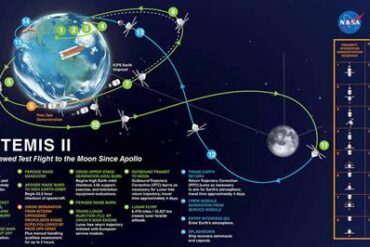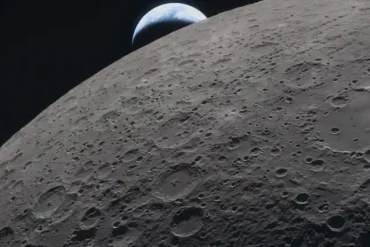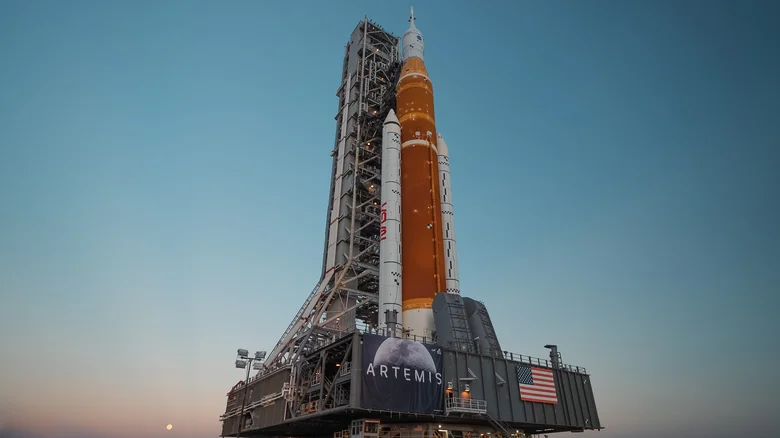
NASA’s Artemis II mission marks a significant milestone in the space agency’s bold return to the Moon. With the goal of sending astronauts on the first crewed lunar journey in over fifty years, Artemis II is a critical component in the larger Artemis program, which aims to establish a sustainable human presence on the Moon and eventually pave the way for missions to Mars. As of January 17, 2026, the Artemis II rocket is in motion, embarking on a slow and steady trek toward its launch pad at the Kennedy Space Center, preparing for takeoff no later than April 2026. This article explores the fascinating and intricate process of transporting the mighty Space Launch System (SLS) and its accompanying Orion spacecraft, as well as the key milestones leading up to the rocket’s eventual launch.
The Slow Trek to the Launch Pad
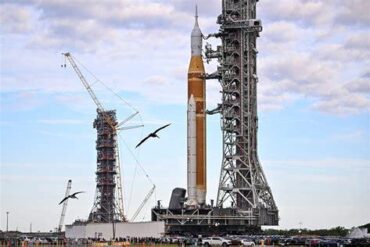
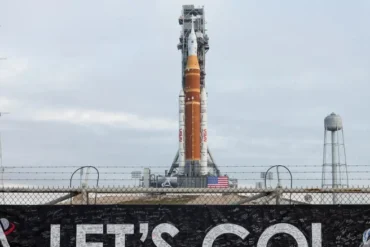
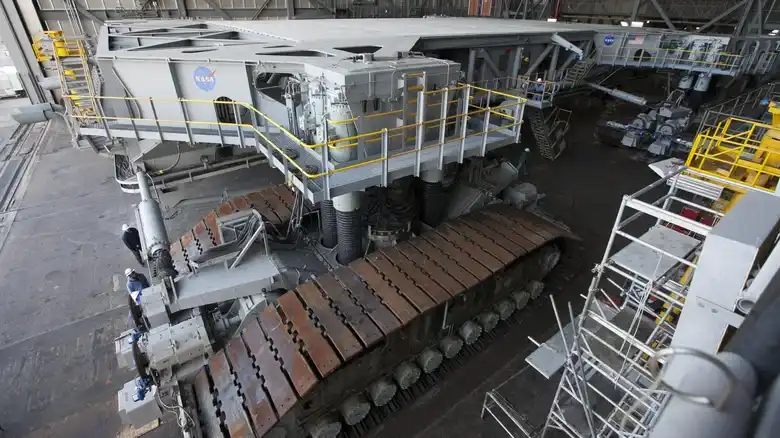
The journey to the launch pad, known as “rollout,” is an essential part of NASA’s preparations for the Artemis II mission. Despite its importance, this seemingly simple process can often be overlooked, yet it involves a carefully coordinated operation requiring immense precision. The SLS rocket and Orion spacecraft, weighing an astonishing 11 million pounds combined, are moved from the Vehicle Assembly Building (VAB) to the launch pad using NASA’s crawler-transporter 2 (CT-2), a colossal self-powered vehicle that is essential for such a delicate task. The rollout process is expected to take up to 12 hours, with the CT-2 transporting the massive rocket at a snail’s pace—approximately 1 mile per hour—along a four-mile stretch.
For the Artemis II mission, this slow and steady rollout is not only a technical challenge but a symbolic milestone on the path back to the Moon. As the CT-2 slowly makes its way toward the launch pad, NASA engineers and scientists prepare for a series of complex tasks that will ensure the rocket and spacecraft are ready for flight. This includes extensive testing of the various systems and equipment required for a successful launch, from electrical connections to cryogenic propellant feeds. The journey is as much about the precision of the mission as it is about the careful coordination of moving one of the heaviest vehicles ever built.
The Size and Power of the Space Launch System (SLS)
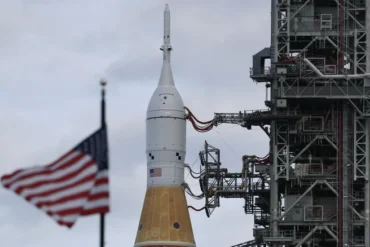
The Artemis II mission is powered by NASA’s Space Launch System (SLS), a technological marvel that is as impressive as it is powerful. Standing 322 feet tall and weighing 5.74 million pounds when fully fueled, the SLS is the most powerful rocket NASA has ever constructed. This massive vehicle is designed to launch the Orion spacecraft, along with crew and cargo, to the Moon and beyond. It features four RS-25 liquid propellant engines provided by L3Harris Technologies, as well as two solid rocket boosters from Northrop Grumman, which together generate a staggering 8.27 million pounds of thrust during launch.
Given its size and weight, the SLS requires a special transport vehicle—NASA’s crawler-transporter 2. The CT-2 is capable of carrying a payload of up to 18 million pounds, an extraordinary feat of engineering. Weighing 6.6 million pounds, the CT-2 is the size of a baseball field and is the heaviest self-powered vehicle in the world. Remarkably, this very vehicle has been in use for over 50 years, originally built to carry the Saturn V rocket during the Apollo missions. Over time, it has undergone numerous upgrades, including a reconditioning of its gears, new generators, and improved control systems, all of which ensure it is fit for the task at hand.
Despite its age, the crawler remains an essential part of NASA’s infrastructure, having traveled 2,335 miles during its time of service. The upcoming rollout of Artemis II will be another testament to the capabilities of the CT-2, as it carefully transports the massive rocket toward its final destination.
Pre-Launch Testing and Critical Preparations
Once the Artemis II rocket reaches the launch pad, the work is far from over. NASA will begin a series of critical pre-launch preparations to ensure that every system is functioning as it should before the rocket takes flight. One of the key tasks in this phase is connecting various pieces of critical equipment, including electrical lines, cryogenic propellant feeds, and communication systems. This is a delicate process, as any issues with these connections could delay the mission.
NASA will also conduct a series of tests to power up the integrated systems of the rocket and spacecraft. These tests are designed to ensure that all flight hardware is working properly and that the mission’s ground infrastructure is ready to support the launch. Additionally, the team will carry out a crucial test known as the “wet dress rehearsal.” This involves loading and unloading more than 700,000 gallons of cryogenic propellant, simulating the actual fueling process that will take place during the real launch. This test is critical, as NASA encountered issues during the Artemis I mission’s wet dress rehearsal, which led to several delays.
The wet dress rehearsal will also give the team the opportunity to practice launch countdown procedures and ensure that every aspect of the mission is well-coordinated. If any major technical issues arise during the rehearsal, the rocket and spacecraft will need to be rolled back to the Vehicle Assembly Building for repairs. This is a normal part of the process, and NASA is prepared to address any issues that may arise.
Artemis II: A Mission to the Moon and Beyond
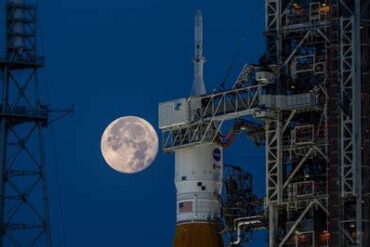
Once the pre-launch preparations are complete, Artemis II will embark on its historic mission. This marks the first crewed mission of the Artemis program and is designed to demonstrate the feasibility of using the Orion spacecraft for extended space missions. Over the course of 10 days, the crew will fly around the Moon and back, traveling approximately 4,700 miles past the far side of the Moon, nearly a quarter of a million miles from Earth.
Artemis II will test critical systems and procedures that will be necessary for NASA’s future lunar missions, including the upcoming Artemis III mission, which is slated to land astronauts on the lunar South Pole. During this mission, astronauts will conduct groundbreaking research and even perform several moonwalks, making Artemis III one of the most ambitious space missions in history.
The Artemis II mission is also significant because it sets the stage for NASA’s broader goal of establishing a permanent human presence on the Moon. While Artemis II will serve as a test run, Artemis III will bring astronauts to the lunar surface for the first time in decades, marking a new era of lunar exploration. The timeline for Artemis III has shifted slightly, with NASA now aiming for a 2028 launch, but the excitement surrounding the program remains palpable.
Looking Ahead: The Future of Lunar Exploration
The Artemis program represents a pivotal moment in space exploration. With Artemis II, NASA is taking the next step in its journey to return astronauts to the Moon and eventually send them to Mars. As the SLS and Orion spacecraft continue their slow journey to the launch pad, NASA is building the foundation for a new era of space exploration. The road ahead may be long and filled with challenges, but the payoff will be worth it as humanity takes its next giant leap into the cosmos.