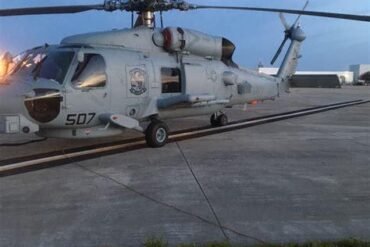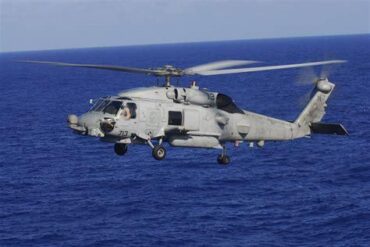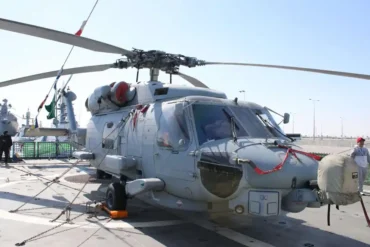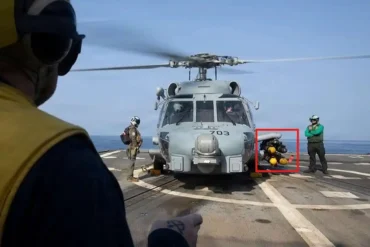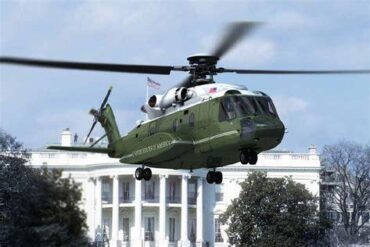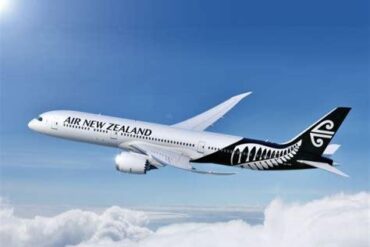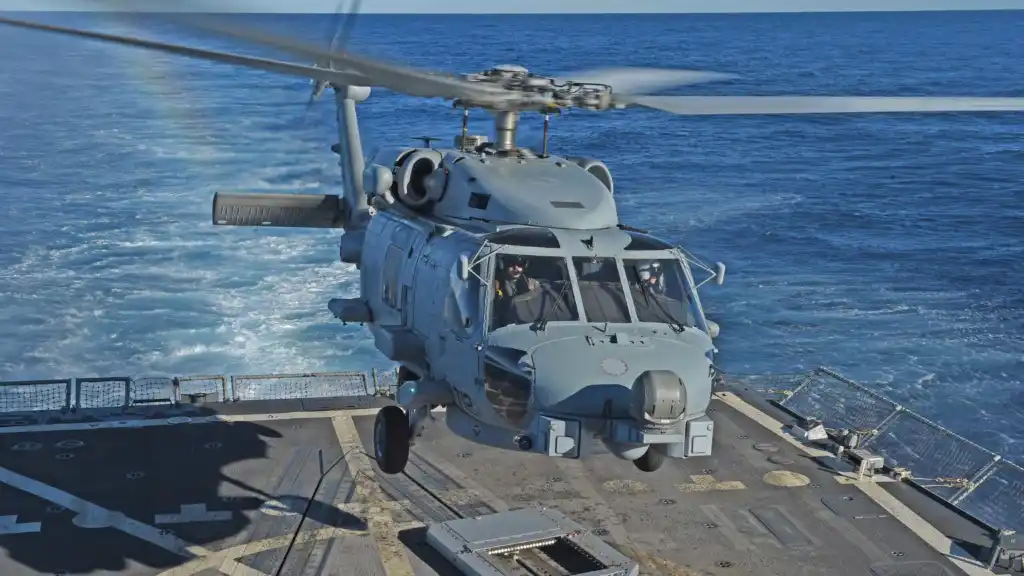
New Zealand has taken a significant step in modernizing its military aviation fleet with the confirmed acquisition of Lockheed Martin MH-60R Seahawk naval helicopters and Airbus A321XLR transport aircraft, a combined investment valued at NZ$2.7 billion (US$1.57 billion). This dual procurement signals a decisive effort to reinforce both maritime combat readiness and strategic airlift capability for the New Zealand Defence Force (NZDF).
The announcement, delivered by Defence Minister Judith Collins, outlined the purchase of five MH-60R helicopters and two A321XLR aircraft. These platforms are expected to provide New Zealand with a fleet that is not only combat capable but also interoperable with key allies, particularly Australia and the United States.
The Strategic Rationale Behind the Acquisition
New Zealand’s current defense fleet is reaching obsolescence, and the government has recognized the urgent need to modernize. The MH-60R Seahawks will replace the aging fleet of eight Kaman SH-2G Super Seasprite helicopters, which were obtained from Australia in 2013. While the Seasprites provided crucial maritime aviation capability, they have been increasingly costly to maintain and less effective against modern threats.
The decision to acquire the MH-60R through the U.S. Foreign Military Sales (FMS) program bypassed a competitive tender process, highlighting the urgency of the requirement and the strategic value of aligning with the U.S. Navy’s primary anti-submarine and anti-surface warfare helicopter platform.
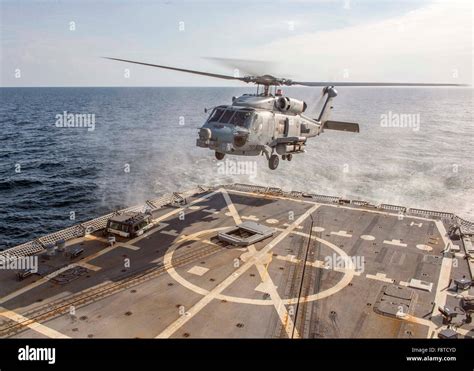
According to Minister Collins, the Seahawks will significantly expand the Royal New Zealand Navy’s surveillance range, offensive strike potential, and defensive resilience. These helicopters are designed to integrate seamlessly with the Navy’s ANZAC-class frigates, enabling rapid response to both conventional and asymmetric maritime threats.
Technical Advantages of the MH-60R Seahawk
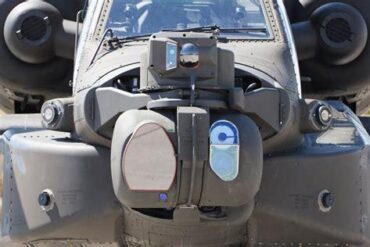
The MH-60R is regarded as one of the most advanced maritime helicopters in the world. Its primary missions include anti-submarine warfare (ASW), anti-surface warfare (ASuW), search and rescue (SAR), and maritime surveillance. For New Zealand, the versatility of the MH-60R will dramatically increase operational flexibility.
Key capabilities include:
- State-of-the-art sonar systems for submarine detection.
- Multi-mode radar for surface and air target tracking.
- Advanced datalink connectivity ensuring interoperability with allied forces.
- Weapons integration including torpedoes, Hellfire missiles, and machine guns.
- Shipborne operability, optimized for frigates and destroyers.
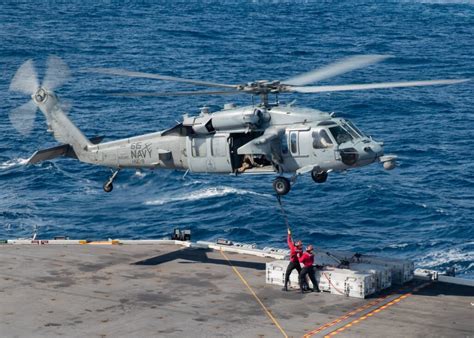
The Seahawk’s proven track record with the U.S. Navy, the Royal Australian Navy, and other allied forces makes it a highly reliable choice. For New Zealand, the adoption of a widely used allied platform ensures training, maintenance, and logistical efficiencies, while fostering closer defense cooperation with Australia.
Airbus A321XLR: Extending New Zealand’s Strategic Reach
Parallel to its naval upgrade, the Royal New Zealand Air Force (RNZAF) will introduce two Airbus A321XLR aircraft under a lease-to-buy arrangement, with capital costs projected at NZ$620 million and an additional NZ$80.86 million in operating expenses over the first four years.
These aircraft will replace the two Boeing 757s currently in service, which have been the backbone of RNZAF transport operations since the late 1990s. While the 757s have been versatile, their increasing maintenance requirements and limited range have restricted operational flexibility.
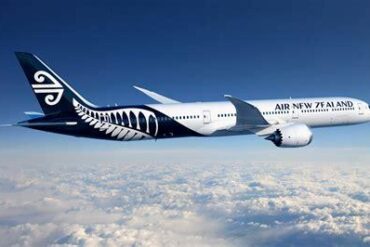
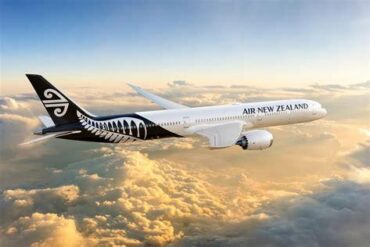
The A321XLR, an extended-range derivative of the A321neo family, is capable of flying up to 8,700 kilometers nonstop, making it ideally suited for New Zealand’s geographically demanding defense needs. The ability to fly longer missions without refueling is critical, especially for the country’s unique requirement of Antarctica resupply flights, where conditions often force return-to-base operations.
Operational Roles of the A321XLR
The A321XLR will be configured for multi-role operations, including:
- Strategic personnel transport for military deployments and government delegations.
- Cargo and logistics missions supporting humanitarian and disaster relief operations.
- Medical evacuation flights, leveraging its long range and cabin adaptability.
- Antarctica missions, ensuring safe return capability even under adverse weather conditions.
Minister Collins emphasized that the A321XLR will provide a faster, more reliable, and fuel-efficient transport option for New Zealand. Its modern avionics and widespread commercial adoption also ensure easier access to parts and maintenance expertise worldwide.
Interoperability and Regional Significance
Both acquisitions underscore New Zealand’s commitment to enhancing interoperability with allies. The MH-60R Seahawks are already in service with the Royal Australian Navy, meaning joint training and operations will be streamlined. Meanwhile, the A321XLR shares commonality with commercial fleets, allowing smoother integration with civilian air corridors and international logistics networks.
These upgrades also come at a time of heightened security concerns in the Indo-Pacific region, where maritime disputes and great-power competition are shaping defense strategies. New Zealand’s investment ensures that its military remains credible and capable within regional defense partnerships, while also enhancing its ability to support humanitarian operations in the Pacific Islands.

Financial Commitment and Broader Defense Plan
The NZ$2.7 billion defense package represents one of New Zealand’s most substantial military aviation investments in decades. Beyond the aircraft acquisitions, the government has signaled plans to pursue a new anti-ship missile system and future frigate procurement, with integration onto existing P-8A Poseidon aircraft also under consideration.
This aligns with the Defence Capability Plan 2024, which outlines New Zealand’s strategy for developing a balanced, combat-ready, and future-proofed force structure. The dual acquisition of the Seahawk and A321XLR fits directly within this framework, addressing both frontline combat needs and strategic transport demands.
The End of an Era: Retiring the SH-2G and Boeing 757
The incoming platforms mark the end of service for two iconic aircraft in the NZDF inventory. The Kaman SH-2G Super Seasprite, though valuable in its time, faced challenges in parts availability and modernization limits. Its retirement reflects a broader trend across allied navies, which are moving towards the more advanced Seahawk.
Similarly, the Boeing 757s, despite decades of reliable service, lacked the endurance and efficiency required for New Zealand’s expanding global commitments. Their retirement will symbolize a transition toward a new generation of aircraft with enhanced sustainability and broader mission sets.
Conclusion: A Defining Leap in New Zealand’s Defense Modernization
The acquisition of the MH-60R Seahawk naval helicopters and Airbus A321XLR transport aircraft marks a pivotal transformation for the New Zealand Defence Force. By combining combat capability with strategic mobility, these platforms will elevate New Zealand’s military readiness for the next three decades.
The decision strengthens not only New Zealand’s sovereignty but also its ability to contribute meaningfully to regional security, humanitarian operations, and allied defense efforts. With interoperability at the forefront and a long-term investment in advanced aviation assets, New Zealand is ensuring that its armed forces remain relevant, dependable, and future-ready.