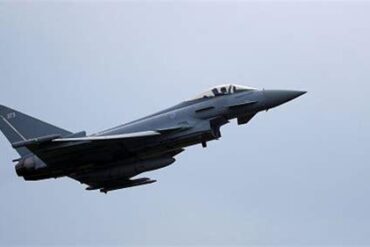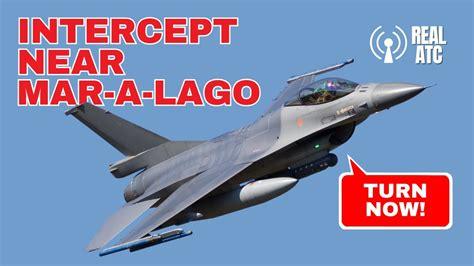
On the crisp morning of December 21, 2025, a tense moment unfolded in the skies above Palm Beach, Florida, as an unauthorized civilian aircraft breached restricted airspace. In a swift and strategic response, the North American Aerospace Defense Command (NORAD) scrambled an F-16 Fighting Falcon to intercept the intruding aircraft, protecting the airspace surrounding former President Donald Trump’s private residence, Mar-a-Lago.
The situation—though resolved without incident—offered a rare public glimpse into the mechanics of airspace defense, military aviation protocols, and the subtle choreography that keeps national security threats at bay.
An Unwelcome Guest Over Presidential Skies
The alarm was triggered around 9:20 a.m. EST, when a general aviation plane entered a Temporary Flight Restriction (TFR) zone. These no-fly zones, typically activated around sensitive locations or during VIP visits, are stringently enforced. At the time, Trump was reported to be staying at Mar-a-Lago for the holiday season, prompting the FAA and NORAD to enforce enhanced airspace restrictions.
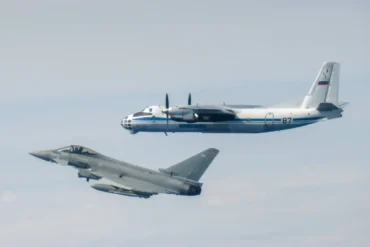
Failing to respond to standard radio communications, the civilian aircraft became a potential security risk. NORAD launched an alert F-16 fighter jet from one of its standby locations, triggering a precisely choreographed intercept. The operation was a textbook execution of NORAD’s aerospace control mission—a key pillar of North American air sovereignty.
The Art of the Intercept: What is a ‘Headbutt’?
To avoid escalations and ensure safety, NORAD employed a non-lethal tactic known as the “headbutt” maneuver. This procedure is a visual signaling method used when radio contact with an aircraft has failed or the pilot appears confused or unaware of their surroundings.
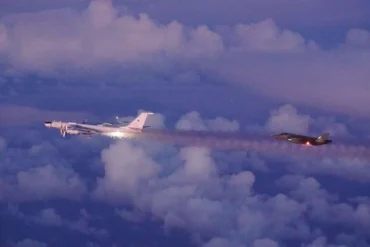
The F-16, flying at a slightly higher speed, positioned itself directly in front of the violating aircraft at close but safe distance. By placing the military jet in the pilot’s immediate line of sight—sometimes rocking its wings or deploying flares—the headbutt draws unmistakable attention. It serves as a silent but urgent command: “Follow me, now.”
The maneuver proved successful. The civilian pilot, jolted into awareness, complied with visual cues and was escorted out of the restricted area. The situation was quickly de-escalated, with NORAD confirming in a public statement that “the incident was resolved safely.”
Mar-a-Lago and the High-Alert Airspace
Palm Beach has become a high-security aviation zone in recent years. Trump’s continued presence at Mar-a-Lago, both during and after his presidency, has led to frequent TFR activations, transforming the region into a dynamic national security perimeter.
These restrictions often extend 30 nautical miles around the designated location, with an inner core of even tighter control. Only pre-authorized flights, typically military, law enforcement, or medical, are permitted within this bubble. Unauthorized entries are not taken lightly, and NORAD’s rapid response capability is a testament to that vigilance.
Temporary Flight Restrictions: Invisible Fences in the Sky
Temporary Flight Restrictions (TFRs) are temporary blocks of airspace enforced by the Federal Aviation Administration (FAA). TFRs can be enacted for several purposes:
- VIP movement (including presidential visits)
- Major sporting or political events
- Disaster response and firefighting operations
- National security or military exercises
Pilots are obligated to review Notices to Air Missions (NOTAMs) before each flight. These alerts provide critical updates on TFRs, airspace changes, and operational hazards. Ignoring them not only invites FAA penalties, such as license suspension and fines, but also risks military interception, as seen in this incident.
The F-16 Fighting Falcon: Guardian of the Homeland Skies
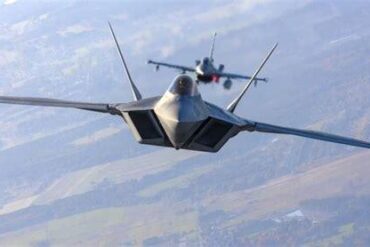
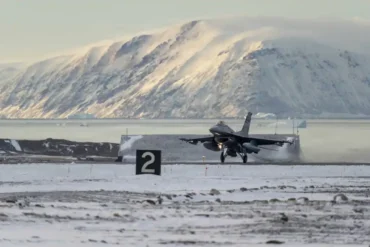
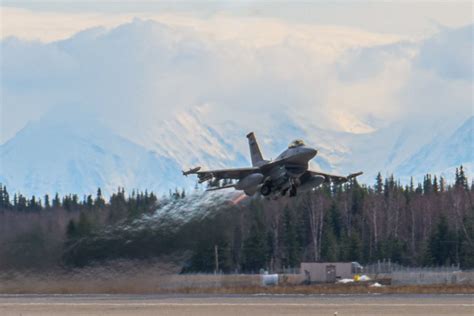
The F-16 Fighting Falcon, a multi-role fighter aircraft, is the front-line guardian for air intercept missions. With speeds exceeding Mach 2, it can be scrambled within minutes, especially when part of NORAD’s alert aircraft network. These jets stand ready 24/7 at key bases across North America.
Armed but deployed with precision restraint, the F-16’s involvement underscores NORAD’s preference for de-escalation over aggression. The aircraft’s agility and high-speed response capability make it ideal for chasing and corralling wayward civilian planes.
NORAD: The Watchtower Above North America
NORAD is a bi-national command formed in 1958 between the United States and Canada. Headquartered at Peterson Space Force Base in Colorado, its responsibilities include:
- Aerospace Warning: Monitoring for missiles, aircraft, or space vehicles that may pose a threat
- Aerospace Control: Maintaining sovereignty of North American airspace
- Maritime Warning: Identifying maritime threats to the continent
NORAD’s operations rely on a multi-layered surveillance infrastructure, including ground radar stations, satellites, and airborne sensors, enabling swift identification and tracking of aerial incursions. Interceptions like the one over Palm Beach are made possible by this constantly vigilant ecosystem.
Holiday Season Vigilance: A Pattern of Repeat Incursions
This interception is not an isolated event. As recently as Thanksgiving weekend 2025, NORAD reported a similar violation of TFR around Mar-a-Lago, prompting another fighter jet deployment. The frequency of such incidents has increased with Trump’s regular visits, and likely due to:
- Inexperienced or inattentive pilots flying recreational routes
- Inadequate pre-flight planning
- Confusion over overlapping airspace designations
Despite repeated warnings from the FAA and aviation associations, violations continue to occur, reflecting a need for greater outreach and perhaps stricter regulatory measures.
Consequences of Airspace Violations: More Than Just a Warning
Although this particular incident ended peacefully, the stakes are significant. Depending on the severity, consequences for violating TFRs include:
- Immediate FAA enforcement action, including suspension or revocation of pilot certificates
- Heavy civil fines, sometimes exceeding tens of thousands of dollars
- Possible criminal investigation, if intent or recklessness is suspected
- Military response, including interception, forced landing, or, in extreme cases, engagement
While NORAD and the FAA emphasize de-escalation, history shows that failure to comply with visual or radio commands can quickly escalate into dangerous territory.
A Cautionary Tale for General Aviation Pilots
This incident serves as a high-profile reminder to general aviation pilots of their responsibilities. With the ease of modern flight planning tools and access to real-time NOTAMs, there are few excuses for breaching restricted airspace.
Authorities encourage all pilots to:
- Regularly consult the FAA TFR website
- Subscribe to flight briefing services
- Utilize GPS and flight-planning applications with TFR overlay features
Conclusion: Defense Without Detonation
In the modern age of asymmetric threats, NORAD walks a tightrope—balancing assertive defense with measured response. The successful handling of this Palm Beach incident demonstrates the precision and professionalism of U.S. aerospace defense forces. The silent drama that unfolded in the skies was resolved not with confrontation, but with control, skill, and strategy.
As former President Trump continues to draw attention and activity to Palm Beach, and as political seasons ramp up, the skies above Mar-a-Lago will remain under close watch. The message is clear: North American airspace is not to be taken lightly—and NORAD is always watching.