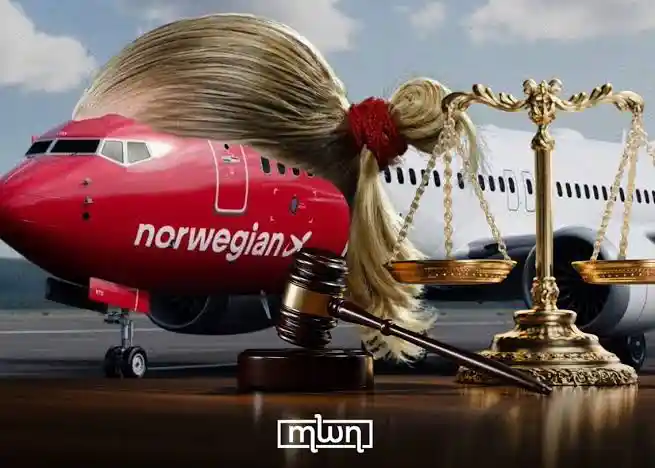
Erling Haaland has taken legal action against Norwegian Air Shuttle over a social media marketing post that used an aircraft edited to resemble the Norwegian striker’s distinctive blond ponytail. The post appeared during the 2026 FIFA World Cup, when Norway’s national team was attracting intense attention, and carried the playful caption, “We’ve never looked more Norwegian.” The airline later removed the post, but Haaland’s legal team argues that taking down the image did not resolve the underlying issue of using his likeness for commercial purposes.
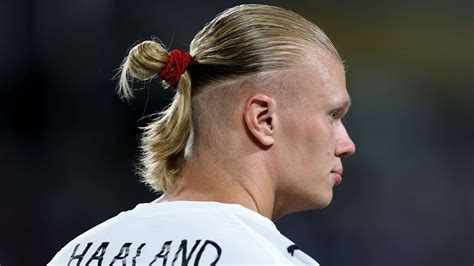
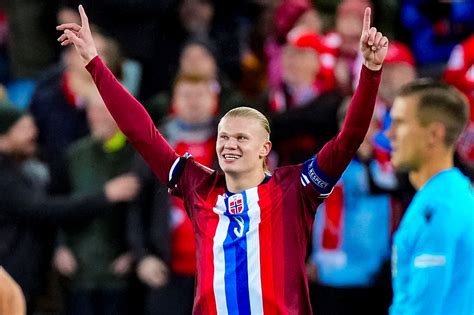
The dispute highlights a growing challenge for airlines and other companies that use social-media trends to connect themselves with major sporting events. Haaland is not merely one of Norway’s most recognizable footballers. The Manchester City forward and Norway No. 9 has developed a highly distinctive personal brand, with his long blond hair and goal celebration becoming closely associated with his public identity. According to his lawyer, Thomas Hagen, Norwegian Air used an identifiable aspect of that image to promote its business without obtaining permission or reaching a financial agreement.
Norwegian Air’s Haaland Ponytail Post Sparks Legal Dispute
The original social media image reportedly transformed the aircraft’s appearance by adding a representation of Haaland’s famous ponytail, creating an obvious visual association between the airline and the Norwegian star. The timing was particularly significant because the post was published during the World Cup, when Haaland and Norway were at the center of heightened national sporting interest.
Norwegian Air spokesperson Catharina Solli said the airline was supporting Norway’s national team along with much of the country and described the content as spontaneous posts inspired by social-media trends. The company has otherwise declined to provide additional comment, saying its previous statements to the media remain its position. A court-led video planning hearing is scheduled for October 9, meaning the dispute could soon move into a more formal stage unless the parties reach an agreement beforehand.
The central question is not simply whether the photograph or graphic was amusing. Haaland’s legal representatives argue that the post crossed the boundary between ordinary public commentary and commercial use of a person’s identity. The distinction can become important when a recognizable athlete is connected with a company’s products or services, particularly when the apparent purpose is to attract customers.
Haaland Has Previously Protected His Name and Image
Haaland’s response also fits into a broader effort to protect elements of his commercial identity. His name, appearance and signature goal celebration have considerable value beyond the football pitch. His familiar celebration, in which he sits cross-legged on the grass in a meditative pose, has become another recognizable feature of his public persona and has been associated with his commercial activities.
His legal disputes have extended beyond image-based advertising. Haaland previously challenged an attempt by a Polish individual to register his name as a trademark. The registration potentially affected business opportunities across 16 product categories, including sportswear and energy drinks. The dispute began in 2023 and was ultimately resolved through the European Union’s legal framework in Haaland’s favor.
That background makes the Norwegian Air case particularly notable. A footballer’s commercial identity can encompass far more than a literal photograph. Distinctive visual features can become powerful branding assets when the public immediately associates them with a particular athlete.
A Previous Norwegian Case Could Matter
The legal argument may also draw attention to a previous Norwegian case involving athlete imagery. University of Bergen professor Tore Lunde, who specializes in marketing and intellectual property law, has pointed to a 2009 Supreme Court case involving snowboarder Andy Finch and Tromsø 2018 AS.
Tromsø 2018 had used an image of Finch in promotional material connected with its bid to host the 2018 Winter Olympic Games. Although the organization had obtained the photograph from a press photographer, it had not secured the necessary permission concerning Finch’s image. After Finch objected, the image was replaced and removed from the online version of the prospectus.
The courts ultimately recognized Finch’s rights concerning images of himself and ordered compensation. The circumstances are not identical to Haaland’s dispute, but the precedent illustrates why obtaining a photograph from a legitimate source does not necessarily settle every question surrounding commercial use of an athlete’s likeness.
For Norwegian Air, the eventual outcome will depend on the precise legal arguments, the purpose and presentation of the World Cup post, and how Norwegian law applies to the alleged unauthorized use. Haaland’s team is seeking to establish that the ponytail-based imagery amounted to an unauthorized commercial exploitation of his identity. Until the court considers the matter or the parties reach a settlement, the final consequences for the airline remain uncertain.