The Pakistan Air Force (PAF), or پاک فِضائیہ (Pāk Fìzāʾiyah), stands as the formidable aerial warfare branch of the Pakistan Armed Forces. Established on 14 August 1947, concurrent with Pakistan’s independence, the PAF is primarily tasked with the aerial defence of Pakistan. It also holds a crucial secondary role in providing air support to the Pakistan Army and Pakistan Navy, and a tertiary function of offering strategic airlift capability. With a strength of approximately 70,000 active-duty personnel and 8,000 reserves, the PAF is a significant military force in the region and is recognized as the largest air force in the Muslim world by aircraft fleet size. Its core mission is succinctly captured in its mandate: “to provide, in synergy with other inter-services, the most efficient, assured and cost effective aerial defence of Pakistan.” The PAF’s official motto, as per ISPR, is “A symbol of pride for the nation” (قوم کا سرمایہ افتخار), while its traditional Persian motto, “صحراست که دریاست ته بال و پر ماست,” translates to “Be it deserts or seas; all lie under our wings,” reflecting its expansive operational reach and ambition.
The command structure of the PAF is headed by the Chief of the Air Staff (CAS), a four-star air officer, appointed by the President of Pakistan, who serves as the civilian Commander-in-Chief of the Pakistan Armed Forces under Article 243 of the Constitution. This appointment is made in consultation with and requires confirmation from the Prime Minister of Pakistan. The Air Headquarters (AHQ) located in Sector E-9, Islamabad, serves as the central command hub for all PAF operations and administrative functions. Throughout its storied history, the PAF has been an active participant in numerous combat operations, consistently providing vital aerial support for military endeavors and extensive relief efforts during national crises, underscoring its integral role in national security and stability.
Forging a Force: The Early Years and Initial Challenges (1947-1950)
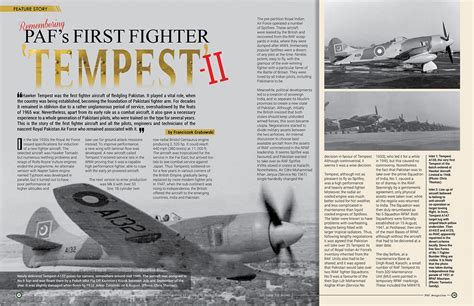
The inception of the Royal Pakistan Air Force (RPAF), as it was initially known, on 15 August 1947, was fraught with challenges. Born from the partition of British India, the RPAF’s initial assets were modest, a paper share allotment of 2,332 personnel. Its nascent fleet comprised 24 Tempest II fighter-bombers, 16 Hawker Typhoon fighters, two H.P.57 Halifax bombers, two Auster aircraft, twelve North American Harvard trainers, and ten de Havilland Tiger Moth biplanes. However, acquiring these assets was a significant hurdle, as they were scattered across various locations in what was formerly British India. Many of the aircraft received were not in flyable condition, demanding immediate and extensive refurbishment. The RPAF began its journey with seven airbases dispersed across the newly formed nation. Despite these initial limitations, the force quickly became operational. It soon acquired eight C-47 Dakota cargo planes, which proved indispensable in transporting supplies to Pakistani soldiers engaged in the Indo-Pakistani War of 1947-49 in Kashmir. The first two Halifax bombers, delivered in 1948, were instrumental in conducting night-time supply drop missions to Skardu and other remote northern areas, demonstrating the RPAF’s early strategic airlift capabilities and resilience in the face of adversity. These formative years were crucial in laying the groundwork for a professional and capable air arm, instilling a spirit of ingenuity and determination that would define the PAF in the decades to come.
Early Engagements and Asserting Airspace Sovereignty
Following its establishment, the PAF was soon tested in various regional conflicts. The Waziristan rebellion (1948-1954) saw the PAF actively engaged in quelling unrest. After the partition, Faqir of Ipi, a Pashtun separatist leader, rejected Pakistan’s creation and, with support from Afghanistan, declared an independent Pashtunistan in North Waziristan’s Datta Khel area in 1948. In response, the PAF conducted operations, including an inadvertent bombing of the Afghan village of Mughalgai in June 1949 while pursuing separatists. This incident, known as the Mughalgai raid, resulted in 23 separatist casualties and further strained relations with Afghanistan. The Faqir of Ipi established Gurwek as his headquarters, even setting up a rifle factory with Afghan support. Between 1953 and 1954, the PAF’s No. 14 Squadron, operating from Miranshah airbase, launched intensive bombing campaigns against the Faqir’s compound in Gurwek, which significantly contributed to compelling him to cease his armed campaign against Pakistan.
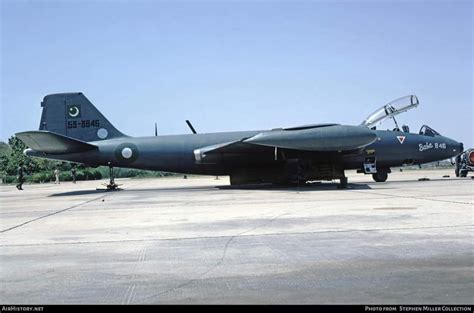
A defining moment for the PAF’s air defence capabilities came with the 1959 Indian aerial intrusion. On 10 April 1959, during the Eid ul-Fitr holiday, an Indian Air Force (IAF) English Electric Canberra B(I)58 from No. 106 Squadron entered Pakistani airspace on a photo reconnaissance mission. Two PAF F-86F Sabres from No. 15 Squadron, piloted by Flt. Lt. M. N. Butt and Flt. Lt. M. Yunis, were scrambled from PAF Base Peshawar. Initially, Butt’s attempts to engage the high-flying Canberra (above 50,000 feet) were unsuccessful due to the F-86F’s operational ceiling. However, when Yunis took over, the Canberra descended while turning over Rawalpindi. Yunis successfully engaged the intruder at 47,500 feet, bringing it down over Rawat. This marked the first direct aerial victory for the PAF. The two IAF crew members ejected, were captured, and later released. This event not only demonstrated the PAF’s growing proficiency but also sent a clear message regarding Pakistan’s commitment to protecting its airspace.
Between 1960 and 1961, the PAF was again called into action during the Bajaur Campaign. Royal Afghan Army troops, along with thousands of Pashtun tribesmen from Afghanistan, crossed into Pakistan’s Bajaur Agency in an attempt to annex the region. The PAF deployed F-86 Sabre jets to support Pakistani forces and local Pashtun tribesmen countering the Afghan infiltration. These Sabres executed bombing runs on Royal Afghan Army positions within Kunar, Afghanistan, compelling Afghan forces to retreat to the international border. Despite the Royal Afghan Air Force possessing MiG-17 and nascent MiG-21 squadrons, no dogfights were recorded between the two air forces during this campaign.
The Indo-Pakistani War of 1965: A Test of Mettle
The Indo-Pakistani War of 1965 saw the PAF, though smaller in numbers, engage in intense aerial combat against the Indian Air Force (IAF). At the outset of the conflict, the PAF’s fleet comprised approximately 12 F-104 Starfighters, around 120 F-86 Sabres, and about 20 B-57 Canberra bombers. The PAF asserted that it achieved complete air superiority over the battle area from the second day of operations, a claim contested by the IAF, which, despite acknowledging a qualitative inferiority, claimed to have achieved air superiority within three days. Many international publications attributed the PAF’s successes to its American-supplied equipment, suggesting a qualitative edge over the IAF’s aircraft. However, some Pakistani officials refuted this, arguing that the IAF’s MiG-21, Hawker Hunter, and Folland Gnat aircraft possessed superior performance characteristics compared to the PAF’s F-86 fighters, not to mention the IAF’s significant quantitative advantage.
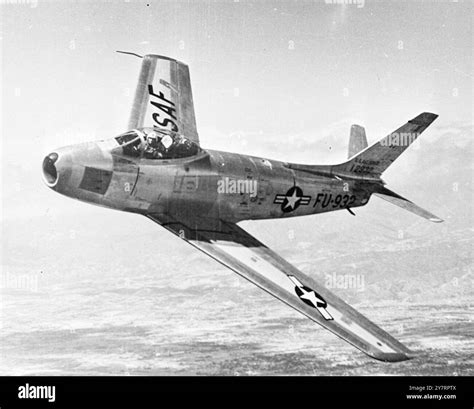
Retired PAF Air Commodore Sajad Haider, a veteran of the war, stated that the F-86 Sabre was, in fact, inferior in both power and speed to the IAF’s Hawker Hunter. He also noted that the F-104 Starfighter, often dubbed “the pride of the PAF,” was ill-suited to the tactical environment of the region, being designed as a high-level interceptor for Soviet strategic bombers. Nevertheless, the Starfighter was reportedly feared by the IAF, even if its effectiveness was limited compared to the IAF’s nimble Folland Gnats, which earned the nickname “Sabre Slayer.” Indian sources suggest the F-86F performed reasonably well against the Hunters but struggled against the Gnats. Contradictory claims regarding aircraft losses were made by both nations, a common feature of India-Pakistan conflicts. The PAF claimed to have downed 104 IAF aircraft for a loss of 19 of its own, while the IAF claimed 73 PAF aircraft destroyed against 60 of its own losses. Independent neutral sources generally estimate PAF losses at around 20 aircraft, with IAF losses ranging between 60 and 75. Despite the fierce aerial duels, the war ended in a stalemate, with neither side achieving a decisive victory. The 1965 war, however, cemented the PAF’s reputation for professionalism and skill, particularly the prowess of its pilots like Squadron Leader Muhammad Mahmood Alam, who famously claimed to have shot down five IAF Hunters in a single sortie.
The 1971 War and Operations in East Pakistan
The Indo-Pakistani War of 1971, which led to the creation of Bangladesh, presented a new set of challenges for the PAF, particularly in the eastern theatre. By late 1971, the political crisis in East Pakistan had escalated into the Bangladesh Liberation War. On 22 November 1971, ten days before the formal declaration of war, four PAF F-86 Sabre jets attacked Indian and Mukti Bahini positions at Garibpur, near the international border. In this engagement, two PAF Sabres were shot down and one was damaged by IAF Gnats. India formally declared war on 3 December, following pre-emptive strikes by the PAF against several IAF installations in the western sector, including Srinagar, Ambala, Sirsa, Halwara, and Jodhpur. However, the IAF, anticipating such a move, had taken precautions, and these strikes did not result in significant losses for the IAF. The IAF responded swiftly, and thereafter, the PAF primarily conducted defensive sorties.
In East Pakistan, the PAF faced an overwhelming numerical and logistical disadvantage. The PAF’s No. 14 Squadron, equipped with Sabre jets, fought valiantly but was eventually overwhelmed. The hostilities officially ceased on 17 December 1971, following the fall of Dacca on 15 December. During the conflict, the PAF flew approximately 2,840 sorties. According to Pakistani accounts, they destroyed 71 IAF aircraft while losing 43 of their own. The 1971 war was a difficult period for Pakistan and its armed forces, but the PAF’s pilots and ground crew displayed considerable courage and determination against a numerically superior adversary across two fronts.
The Soviet-Afghan War and Strategic Realignment (1979-1989)
The Soviet invasion of Afghanistan in 1979 dramatically altered the geopolitical landscape of the region and had profound implications for the Pakistan Air Force. With Soviet forces at its western border, Pakistan found itself on the frontline of the Cold War. In this context, PAF Chief of Air Staff, Air Chief Marshal Anwar Shamim, was informed by President General Zia-ul-Haq about intelligence suggesting Indian plans to attack Pakistan’s nuclear research facilities at Kahuta. ACM Shamim acknowledged that the PAF, in its then-current state, would struggle to effectively counter such an attack, estimating that Indian aircraft could reach Kahuta in three minutes, whereas the PAF would require eight minutes to respond. This assessment spurred a consensus on the urgent need to acquire advanced fighter aircraft capable of deterring any potential Indian aggression and, if necessary, mounting a retaliatory strike on India’s nuclear facilities in Trombay.
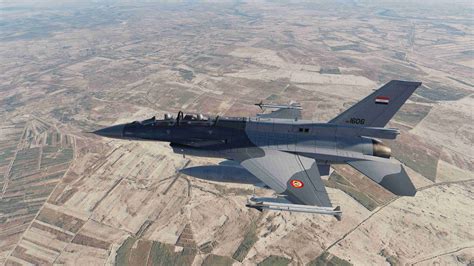
The aircraft deemed most suitable for this role was the General Dynamics F-16 Fighting Falcon. After initial reluctance, the United States agreed to supply the F-16s, a decision influenced by Pakistan’s critical role in supporting the Afghan mujahideen against the Soviet forces. The ISI, in coordination with the CIA, MI6, and Mossad, facilitated the flow of American resources and armaments to the mujahideen. The first batch of F-16s (two F-16A and four F-16B Block 15 models under Peace Gate I) arrived at PAF Base Sargodha (now PAF Base Mushaf) on 15 January 1983, flown by Squadron Leader Shahid Javed. A further 34 Block 15 aircraft (Peace Gate II) were delivered between 1983 and 1987. With the induction of these advanced fighters, ACM Shamim confidently informed General Zia of the PAF’s enhanced capability to defend Kahuta and retaliate effectively. During the Soviet-Afghan War, PAF F-16s were actively involved in defending Pakistani airspace against intrusions by Soviet and Afghan aircraft. Between May 1986 and November 1988, PAF F-16s, primarily from No. 9 Squadron and No. 14 Squadron, shot down at least eight intruding aircraft, including Su-22s, MiG-23s, an An-26, and a Su-25. Most of these kills were achieved using AIM-9 Sidewinder missiles, though at least one Su-22 was downed by cannon fire. Flight Lieutenant Khalid Mahmoud distinguished himself by claiming three of these aerial victories. There were also widespread reports, though unconfirmed, of covert PAF engagements against the Soviet Air Force in support of the Afghan Air Force, one allegedly involving Alexander Rutskoy’s aircraft.
Navigating Sanctions: The U.S. Arms Embargo (1990-2001)
The end of the Cold War and concerns over Pakistan’s nuclear weapons program led to a significant shift in U.S. policy. The passage of the Pressler Amendment resulted in the United States imposing sanctions and an arms embargo on Pakistan, effective 6 October 1990. This had a severe impact on the PAF’s modernization plans, particularly concerning its F-16 fleet. All eleven Peace Gate III F-16s, along with seven F-16A and ten F-16B aircraft from the Peace Gate IV order, which had already been built by the end of 1994, were embargoed and placed in storage on U.S. soil. This left the PAF in a desperate search for new high-tech combat aircraft to maintain its qualitative edge.
Between late 1990 and 1993, the PAF evaluated the European Panavia Tornado MRCA (multi-role combat aircraft) but ultimately rejected it. Other options considered included France’s Dassault Mirage 2000E and an offer from Poland for MiG-29s and Su-27s, but no deals materialized. In 1992, the PAF revisited the possibility of acquiring French Mirage 2000s, reviving an early 1980s proposal for around 20-40 aircraft. However, France, under pressure from the United States, was unwilling to sell a fully capable version. In August 1994, Sweden offered the Saab JAS-39 Gripen, but this sale was also blocked because 20% of the Gripen’s components were U.S.-sourced. Pakistan came close to signing a contract for 40 Dassault Mirage 2000s equipped with Thomson-CSF RDM/7 radars in mid-1992, but U.S. sanctions again prevented this deal. By mid-1994, Russian manufacturers Sukhoi and Mikoyan were reportedly offering the Su-27 and MiG-29. Visits by French and Russian teams in November 1994 fueled speculation that Pakistan’s interest in Russian aircraft was a tactic to pressure France into reducing the price of the Mirage 2000. The stated requirement remained for up to 40 aircraft. This period highlighted the PAF’s vulnerability to geopolitical pressures and the challenges of maintaining a modern air force under an arms embargo.
The New Millennium: Counter-Insurgency and Renewed Tensions
The 21st century brought new challenges and operational paradigms for the PAF, primarily shaped by the War on Terror following the 9/11 attacks and renewed tensions with India. The PAF played a role, though officially denied by both Pakistani and American officials, in the alleged evacuation of Taliban personnel from Afghanistan in 2001. Following the 2008 Mumbai attacks, the PAF was placed on high alert, deploying to wartime locations and initiating combat air patrols. The swiftness and intensity of this deployment reportedly surprised the Indian Army High Command and was considered a key factor in India’s decision not to conduct cross-border raids. The PAF was under standing orders to launch an immediate counter-attack in case of an Indian air attack, a situation heightened by a hoax phone call from someone posing as the Indian Foreign Minister to Pakistani President Asif Ali Zardari.
The 2011 U.S. raid in Abbottabad that resulted in the death of Osama bin Laden was a moment of scrutiny for Pakistan’s air defences. Initial reports indicated that the PAF detected unusual air activity near the Jalalabad border, identifying a US AWACS and five F/A-18 jets, before the American helicopters entered Abbottabad. PAF jets were scrambled, but the American helicopters had already completed their mission and departed by the time PAF aircraft arrived over Abbottabad. This incident was termed “one of the most embarrassing incidents in Pakistan’s history” by a senior PAF official, highlighting vulnerabilities in air defence response times against stealthy intrusions.
Throughout the 2000s and 2010s, the PAF was heavily involved in counter-insurgency operations in North-West Pakistan, particularly during the army’s offensives against the Taliban. Lacking sufficient attack helicopters, the army relied on PAF air support. This necessitated the development of a new “counter-terrorist doctrine” for the PAF, which was traditionally trained for conventional warfare. The Saffron Bandit exercise focused on COIN operations training. The PAF enhanced its joint intelligence, surveillance, and reconnaissance (ISR) capabilities, indigenously modifying a C-130 transport for day/night ISR. The use of laser-guided bombs increased significantly, and a small corps of ground spotters was trained to identify high-value targets. These operations, while largely successful in degrading militant infrastructure, unfortunately, led to civilian casualties on some occasions, such as the airstrikes in the FATA tribal region on 10 April 2010, which prompted a public apology from the then-Chief of Army Staff, General Ashfaq Kayani.
Recent Engagements and Cross-Border Operations
The late 2010s and early 2020s have seen the PAF involved in several significant cross-border engagements. Following the Pulwama attack in February 2019, India conducted airstrikes near Balakot in Khyber Pakhtunkhwa. Pakistan claimed the Indian jets dropped their payload in an uninhabited area after being intercepted by PAF fighters. On 27 February 2019, the PAF responded with Operation Swift Retort, claiming to have struck six targets near Indian military installations in Indian-administered Kashmir, hitting open spaces. In the ensuing aerial engagement, PAF aircraft shot down an Indian MiG-21, capturing its pilot, Wing Commander Abhinandan Varthaman, who was later released. India claimed to have shot down a Pakistani F-16, a claim Pakistan initially denied by stating no F-16s were used, but later admitted F-16s were involved while maintaining none were lost. A US count of PAF’s F-16 fleet also did not support the Indian claim. Tragically, an IAF Mi-17 helicopter was shot down by friendly fire from an Indian Spyder missile during this standoff, an incident India termed a “big mistake.”
The PAF has also conducted airstrikes in Afghanistan. On 16 April 2022, Pakistani forces launched airstrikes along the border, reportedly killing at least 47 people in Afghanistan’s Khost and Kunar provinces. The Taliban government summoned Pakistan’s ambassador to protest these strikes, which marked the first known foreign attack on Afghan soil since the Taliban’s return to power. More recently, on 18 March 2024, the PAF carried out intelligence-based airstrikes in Afghanistan’s Khost and Paktika provinces in response to attacks from Afghan soil, targeting the Hafiz Gul Bahadur militant group. The Afghan government claimed these strikes killed eight civilians, while Pakistan asserted it targeted terrorists, including a high-value commander. These incidents underscore the volatile security situation on Pakistan’s western border.
Further afield, on 18 January 2024, the PAF conducted retaliatory strikes, codenamed Operation Marg Bar Sarmachar, on seven targets within Iran’s Sistan-Balochistan province, following an Iranian missile strike inside Pakistani territory. These strikes reportedly killed at least nine foreign nationals and targeted Baloch separatist groups. This marked the first strike on Iranian soil by a foreign power since the Iran-Iraq War. Later, on 25 December 2024, the PAF launched precision airstrikes across seven villages in Afghanistan’s Paktika province, reportedly killing 20-25 terrorists and targeting TTP camps and commanders. The Afghan Taliban claimed 46 civilian casualties, a claim Pakistan denied. These operations highlight the PAF’s capability and willingness to conduct precision strikes beyond its borders in response to perceived threats.
Organizational Framework: Command and Control
The Pakistan Air Force operates under a well-defined hierarchical structure designed for efficient command and control, ensuring operational readiness and strategic coherence. At the apex is the Air Headquarters (AHQ), located in Islamabad. AHQ is the nerve center for all administrative, operational, and policy-making functions of the PAF.
The operational structure is divided into several commands, each with specific geographical and functional responsibilities:
- Air Defence Command (ADC), Rawalpindi: Responsible for the overall air defence of Pakistan, coordinating radar networks, surface-to-air missile systems, and interceptor squadrons.
- Northern Air Command (NAC), Peshawar: Oversees air operations in the northern regions of Pakistan.
- Central Air Command (CAC), Sargodha: Manages air operations in the central sectors, a strategically vital area.
- Southern Air Command (SAC), Karachi: Controls air operations in the southern parts of the country, including coastal areas.
- Western Air Command (WAC), Quetta: Responsible for air operations along the western borders.
- Air Force Strategic Command (AFSC), Islamabad: Manages strategic assets and plays a key role in the nation’s strategic deterrence posture.
- PAF Cyber Command (PAFCC), Islamabad: Addresses the evolving challenges and opportunities in the cyber warfare domain.
- PAF Space Command (PAFSC), Islamabad: Focuses on space-based assets and capabilities, reflecting the growing importance of this domain.
Supporting these commands are numerous airbases, strategically located throughout Pakistan. The PAF maintains 19 flying bases and 8 non-flying bases. Flying bases are operational hubs from which aircraft operate during peacetime and wartime. Non-flying bases are dedicated to training, administration, maintenance, air defence operations, or mission support. Key flying bases include PAF Base Mushaf (Sargodha), PAF Base Masroor (Karachi), PAF Base Rafiqui (Shorkot), PAF Base Minhas (Kamra), and PAF Base Shahbaz (Jacobabad).
Training is a cornerstone of PAF’s excellence. Premier training establishments include the Pakistan Air Force Academy at Asghar Khan (Risalpur), which is the cradle of PAF officers, the Combat Commanders’ School (CCS) at Sargodha, renowned for advanced combat training, the PAF Airpower Centre of Excellence (PAF ACE) at Sargodha, and the PAF Air War College in Karachi for senior command and staff training. The Air University in Islamabad provides higher education in aerospace and related disciplines. For indigenous production and heavy maintenance, the Pakistan Aeronautical Complex (PAC) at Kamra and the Air Weapons Complex (AWC) at Wah Cantonment are pivotal, contributing significantly to self-reliance in defence production.
Personnel: The Backbone of the Air Force
The strength and effectiveness of the Pakistan Air Force lie not just in its advanced aircraft and weaponry, but fundamentally in its highly trained and dedicated personnel. The PAF comprises approximately 70,000 active-duty personnel and an additional 8,000 in reserves. This dedicated force includes pilots, engineers, technicians, air defence operators, medical staff, and a wide array of support personnel, all working cohesively to ensure the nation’s aerial frontiers are secure.
Special Services Wing (SSW)
A critical component of the PAF’s operational capability is the Special Services Wing (SSW). This elite special operations force is modelled after the United States Air Force’s Special Tactics Squadrons, with some elements inspired by the U.S. Army Rangers. Originally formed after the Indo-Pakistani War of 1965, the SSW was significantly revived and restructured in late 1999, particularly after the Kargil War highlighted the need for specialized air force commando units. The SSW is trained for a variety of high-risk missions, including combat search and rescue (CSAR), reconnaissance, and direct action in support of air operations. With a reported strength of around 1,200 troops, the SSW provides the PAF with a versatile and potent special operations capability.
Women in the Pakistan Air Force
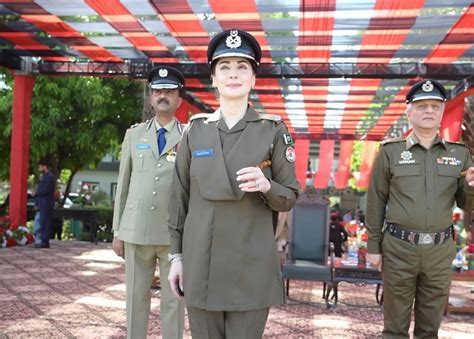
The Pakistan Air Force has made significant strides in gender integration, actively encouraging and recruiting women into various branches, including non-combat and, more recently, combat roles. Women serve as engineers, doctors, air traffic controllers, administrative officers, and in other technical and support fields. A landmark development was the induction of women as fighter pilots, breaking traditional barriers and showcasing the PAF’s commitment to equal opportunity. These female officers have undergone the same rigorous training as their male counterparts and serve with distinction, contributing to the operational readiness of the force. Their increasing presence across different cadres reflects a progressive approach and broadens the talent pool available to the PAF.
Religious Minorities in the Pakistan Air Force
Since its inception, the Pakistan Air Force has, in principle, allowed citizens from religious minorities to pursue careers within its ranks. While Hindus were an exception until 2001, this restriction was lifted following Pakistan’s involvement in the global War on Terror, granting them the same opportunities available to Christian, Sikh, and other minority communities. Several individuals from minority communities have risen to prominent positions and made notable contributions to the PAF. For instance, Air Vice Marshal Eric Gordon Hall, a Christian, served as the Base Commander of Chaklala Air Base during the 1965 war. Air Commodore Nazir Latif and Group Captain Cecil Chaudhry, both Christians, were distinguished pilots who fought in the 1965 war and later played key roles in establishing the Combat Commanders’ School (CCS). Wing Commander Melvin Leslie Middlecoat (CO of No. 9 Squadron during the 1965 war) and Squadron Leader Peter Christy were Christian officers who were Killed in Action during the 1971 war. Air Vice Marshal Patrick Desmond Callaghan is another Christian officer who achieved high rank. More recently, Wing Commander Ronald Felix, a Christian pilot, gained prominence for flying the jointly developed PAC JF-17 Thunder. In a significant breakthrough in 2020, Rahul Dev, a Hindu from Tharparkar, Sindh, was commissioned as a General Duty Pilot Officer, highlighting the PAF’s inclusivity.
Arsenal of the Sky: PAF Equipment and Capabilities
The Pakistan Air Force maintains a diverse and technologically advanced inventory of aircraft and air defence systems, constantly undergoing modernization to meet contemporary challenges. Its arsenal is a mix of Western, Chinese, and indigenously developed platforms, reflecting a strategic approach to procurement and self-reliance.
Combat Aircraft: The Sharp Edge
The spearhead of the PAF’s offensive and defensive capabilities lies in its combat aircraft fleet:
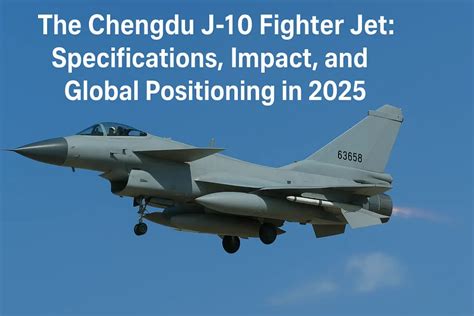
- Chengdu J-10C ‘Vigorous Dragon’: A modern 4.5-generation multirole combat aircraft. The PAF ordered at least 25 of these potent fighters from China, with initial deliveries commencing in March 2022. The J-10C significantly enhances the PAF’s air superiority and strike capabilities with its advanced avionics, AESA radar, and wide range of weaponry.
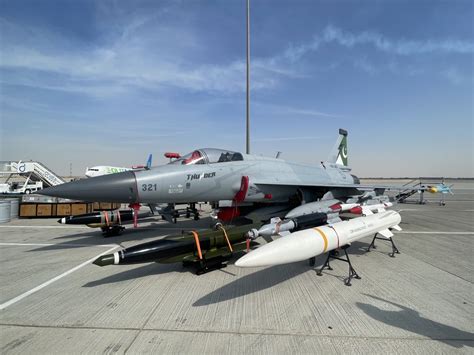
- PAC/CAC JF-17 Thunder: The cornerstone of the PAF’s modern fighter fleet, the JF-17 is a multirole combat aircraft jointly developed by Pakistan Aeronautical Complex (PAC) and China’s Chengdu Aircraft Corporation (CAC). Designed to replace aging fleets of A-5C, F-7P/PG, Mirage III, and Mirage 5 aircraft, over 149 JF-17s are currently in service, including Block 1, Block 2, and two-seat JF-17B variants. The advanced JF-17 Block 3, featuring an AESA radar and enhanced avionics, is now in production, with 50 expected to be inducted, further solidifying its role as the PAF’s workhorse.
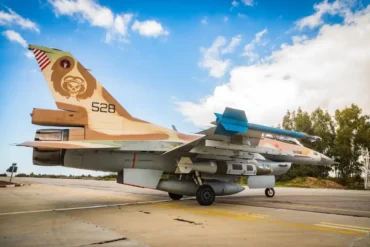
- General Dynamics F-16 Fighting Falcon: A proven and highly capable multirole fighter, the F-16 has been a critical asset for the PAF since the 1980s. The PAF operates approximately 75 F-16s, comprising various blocks including F-16AM/BM Block 15 MLU (Mid-Life Update), F-16A/B ADF (Air Defense Fighter), and the advanced F-16C/D Block 52+ variants. These aircraft provide a potent combination of air-to-air and air-to-ground capabilities.
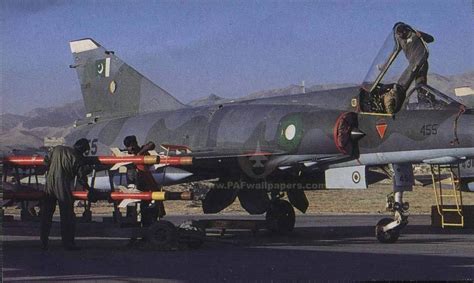
- Dassault Mirage III & Mirage 5: These French-origin delta-wing fighters have served the PAF with distinction since 1967, primarily in strike and reconnaissance roles. The PAF operates a significant number of these aircraft (over 80 Mirage IIIs and around 90 Mirage 5s). Many have undergone extensive upgrades under Project ROSE (Retrofit of Strike Element), enhancing their avionics and weapon delivery systems, keeping them viable in modern combat scenarios.
- Chengdu F-7PG: Serving primarily as an interceptor, around 140 F-7PGs (an advanced variant of the MiG-21) are in service. While older F-7P models have been phased out, the F-7PG, with its improved radar and avionics, remains an important part of the PAF’s air defence network. The two-seat FT-7PG is used for operational conversion training.
Special Mission Aircraft: Eyes and Ears in the Sky
For airborne early warning, electronic warfare, and reconnaissance, the PAF employs specialized platforms:
- Saab 2000 Erieye AEW&C: Equipped with the powerful Erieye radar system, these aircraft provide crucial airborne early warning and control capabilities, significantly enhancing situational awareness. The PAF operates several of these platforms.
- Shaanxi Y-8 (ZDK-03 Karakoram Eagle): Four ZDK-03 variants are in service, featuring a Chinese AESA radar mounted on a Y-8F-600 airframe, providing another layer of AEW&C capability.
- Dassault Falcon 20: Modified for electronic warfare and signals intelligence, three Falcon 20 aircraft serve as vital EW platforms.
Transport and Aerial Refueling: Strategic Reach
Airlift and range extension are critical for sustained operations:
- Lockheed C-130 Hercules: The venerable C-130 (B/E/L-100 variants) has been the backbone of PAF’s transport fleet since 1962, used for troop and cargo transport, paratrooping, and humanitarian aid missions. These aircraft have undergone upgrades to extend their service life.
- Ilyushin Il-78MP ‘Midas’: The PAF operates four Il-78MP aerial refueling tankers procured from Ukraine. These aircraft, equipped with UPAZ refueling pods, significantly extend the range and endurance of PAF’s fighter fleet and can also be used as transporters.
- Other transport aircraft include the Harbin Y-12, Gulfstream IV, and Embraer Phenom 100.
Trainer Aircraft: Nurturing Future Aviators
The PAF places strong emphasis on pilot training, utilizing a range of trainer aircraft:
- PAC MFI-17 Mushshak / Super Mushshak: Indigenously produced basic trainers.
- Cessna T-37 Tweet: Basic jet trainer, long serving the PAF.
- Hongdu JL-8 (K-8P): Intermediate jet trainer, also used by the PAF’s aerobatics team, the Sherdils.
Helicopters and Unmanned Aerial Vehicles (UAVs)
The PAF operates AgustaWestland AW139 and Mil Mi-171 helicopters, primarily for combat search and rescue (CSAR) and utility roles. In drone technology, Pakistan has made significant strides, developing and deploying the indigenous NESCOM Burraq UCAV, armed with Barq air-to-surface missiles. The PAF also operates Selex ES Falco UAVs for reconnaissance and is set to induct Chinese Wing Loong II and Turkish Bayraktar Akıncı and TB2 UCAVs, some of which will be produced locally.
Air Defence Systems: Guarding the Skies
Ground-based air defence is integral to PAF’s strategy:
- MBDA Spada 2000: A medium-altitude air defence system.
- Crotale: Modernized short-range air defence missile systems.
- HQ-9B: A long-range air defence system with a reported range of 260 km, inducted in 2023 to bolster high-altitude air defence.
Modernization and Future Trajectory: Project Azm and Beyond
The Pakistan Air Force is in a continuous state of evolution, driven by a strategic vision to maintain a qualitative technological edge and achieve greater self-reliance. The Armed Forces Development Programme 2019 (AFFDP 2019), launched in 2006, laid out a comprehensive roadmap for the extensive modernization of the PAF. This has involved a multi-pronged approach focusing on acquiring new platforms, upgrading existing assets, and investing in indigenous research and development.
A significant aspect of this modernization was the enhancement of the F-16 Fighting Falcon fleet. Despite earlier embargoes, Pakistan was able to acquire additional F-16s (Block 52+ variants) and implement Mid-Life Update (MLU) kits for its older Block 15 F-16A/B aircraft, significantly improving their avionics, radar, and weapon capabilities. Turkish Aerospace Industries played a key role in these upgrades.
The induction of the Chengdu J-10C multirole fighter aircraft in March 2022 marked a major milestone, providing the PAF with a potent 4.5-generation platform to counter regional adversaries. This acquisition, alongside the continuous development and production of the PAC JF-17 Thunder, forms the backbone of the PAF’s future combat fleet. The JF-17 Block 3, featuring advanced systems like an AESA radar and new electronic warfare suites, is now in mass production and represents a significant leap in indigenous capability.
Perhaps the most ambitious undertaking is Project Azm, announced in 2017. This strategic initiative aims to develop a fifth-generation fighter aircraft (FGFA), a medium-altitude long-endurance unmanned aerial vehicle (MALE UAV), advanced munitions, and other cutting-edge aerospace technologies. The development of an indigenous FGFA is a long-term goal that, if successful, would place Pakistan among a select group of nations with such capabilities. The MALE UAV development under Project Azm is also progressing, aiming to enhance the PAF’s ISR and strike capabilities with indigenous platforms.
Looking ahead, the PAF is actively exploring further acquisitions to bolster its fleet. There have been discussions with China regarding the potential procurement of the Shenyang J-31/J-35 stealth fighter aircraft. Additionally, the TAI TF Kaan (formerly TF-X), a fifth-generation fighter under development by Turkey, has been cited as a potential option for collaboration or acquisition, which could significantly strengthen the PAF’s air power before its own Project Azm fighter becomes operational. The PAF is also keen on expanding its arsenal of unmanned combat aerial vehicles (UCAVs), with collaborations involving China for platforms like the CAIG Wing Loong II and Turkey for the Bayraktar Akıncı and TB2. These modernization efforts underscore the PAF’s commitment to transforming into a technologically superior and self-sufficient air force, ready to meet the challenges of the 21st-century battlespace.
Sharpening the Talons: PAF Military Exercises
The Pakistan Air Force places immense importance on rigorous training and participation in national and international military exercises to maintain peak operational readiness, enhance interoperability with allied forces, and validate its tactical doctrines. These exercises cover a wide spectrum of air operations, from air superiority and ground attack to electronic warfare and counter-insurgency.
High Mark is the PAF’s premier, country-wide exercise, conducted periodically to simulate a near-realistic wartime environment. It involves the entire PAF, from Skardu in the north to the Arabian Sea, testing all Main Operating Bases and Forward Operating Bases. High Mark exercises often include joint operations with the Pakistan Army and Navy, focusing on integration and co-operation between the services. New inductions, like the JF-17 Thunder, Saab 2000 Erieye AEW&C, and Il-78 MRTT, are typically integrated and tested during these large-scale maneuvers. A notable feature of some High Mark exercises has been the practice of landing, refueling, and take-off operations from national motorways, demonstrating tactical flexibility.
Internationally, the PAF is a regular participant in prestigious exercises. It has sent contingents, often including F-16s and JF-17s, to:
- Anatolian Eagle in Turkey: A large-scale air combat exercise involving NATO and allied air forces.
- Red Flag at Nellis Air Force Base, USA: One of the world’s most challenging and realistic aerial combat training exercises. PAF participation allows its pilots to practice complex scenarios, including in-flight refueling with USAF tankers.
- Indus Viper (with the Turkish Air Force) and Shaheen series (with China’s People’s Liberation Army Air Force – PLAAF): These bilateral exercises strengthen ties and promote mutual understanding of operational procedures with key partners. The Shaheen exercises, held alternately in Pakistan and China, are particularly significant for enhancing joint operational capabilities.
- Falcon Air Meet in Jordan and Al-Saqoor in Saudi Arabia: These exercises in the Middle East provide opportunities for the PAF to train alongside regional air forces, sharing expertise and fostering camaraderie.
- The PAF has also participated in the Air Mobility Command (AMC) Rodeo in the United States with its C-130 Hercules transport aircraft, showcasing its airlift capabilities.
To address the specific challenges of counter-insurgency (COIN) operations, the PAF initiated the Saffron Bandit exercise. This internal exercise focuses on training the entire combat force to undertake anti-terrorist operations, refining tactics for precision strikes and ISR in complex environments. The Air Tactics Leadership Course (ATLC), also known as Exercise Iron Falcon, in the United Arab Emirates, has seen PAF participation, further honing the tactical leadership skills of its pilots. These diverse and demanding exercises ensure that the PAF remains a highly skilled, adaptable, and formidable air arm, capable of operating effectively across a range of scenarios and with international partners.
Beyond the Battlefield: PAF’s Role in National Life
The Pakistan Air Force, much like the other branches of the Pakistan Armed Forces, plays an integral and multifaceted role that extends far beyond its primary defence mandate. It is deeply interwoven into the fabric of Pakistani society, contributing significantly during times of peace and national crisis. This societal involvement has fostered a strong bond between the PAF and the populace. As General Jehangir Karamat once described, the military is a “mirror image of the civil society from which it is drawn,” highlighting the intrinsic connection.
One of the most visible and appreciated roles of the PAF in civil society is its rapid and effective response during natural disasters. Whether it was the devastating chaotic floods of 1992, the catastrophic October 2005 earthquake that ravaged northern Pakistan, or subsequent flood relief operations, PAF personnel, including engineers, medical teams, and logistics experts, have been at the forefront. Its transport aircraft and helicopters have been instrumental in airlifting stranded individuals, delivering essential supplies like food, medicine, and shelter to remote and inaccessible areas, and conducting medical evacuations. The PAF’s airlift capability has often been the lifeline for communities cut off by natural calamities. This commitment to humanitarian aid is not confined to Pakistan’s borders. The PAF has also participated in international relief efforts, such as providing aid to Indonesia, Bangladesh, and Sri Lanka following the 2004 Indian Ocean earthquake and tsunami, dispatching aircraft laden with relief goods and personnel. This demonstrates a broader commitment to global humanitarian responsibilities.
Beyond disaster relief, the PAF contributes to nation-building through its educational institutions, such as the PAF Colleges in Sargodha and Lower Topa, which are renowned for their academic excellence and character development. The Air University in Islamabad offers higher education in aerospace sciences, engineering, and management, contributing to the development of skilled human resources for the nation. The PAF also runs various welfare projects and is involved in community development initiatives in areas surrounding its bases. Through its professionalism, discipline, and dedication to service, the PAF serves as a symbol of national pride and a source of inspiration for many young Pakistanis.
The Shaheen’s Shadow: PAF in Popular Culture
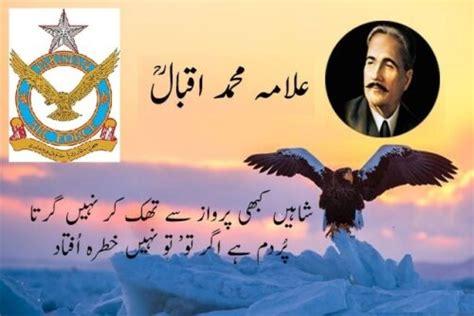
The Pakistan Air Force holds a significant place in the national consciousness and popular culture of Pakistan, often symbolizing valor, technological prowess, and national defense. The Shaheen falcon, a bird renowned for its speed, agility, and keen eyesight, is a powerful and recurring motif associated with the PAF. This association is deeply rooted in Pakistani literature, particularly in the poetry of the nation’s national poet, Allama Muhammad Iqbal, who frequently used the Shaheen as a metaphor for the aspirational spirit, self-reliance, and high endeavor he envisioned for the youth of the Muslim world. The Shaheen prominently features on the official representative badge of the Pakistan Air Force, embodying its core attributes.
This reverence for the PAF is often reflected in various forms of media. Several Urdu-language drama serials and telefilms have been produced over the years, celebrating the heroism and dedication of PAF personnel. These productions aim to inspire patriotism and provide a glimpse into the demanding lives of those who serve in the air force. Notable examples include drama serials like Shahpar and the film Sherdil, which have been televised on national channels like PTV and ARY Digital respectively. These narratives often focus on the rigorous training, camaraderie, and sacrifices of PAF pilots and ground crew, particularly during wartime or critical national events. Documentaries highlighting the PAF’s history, achievements, and technological advancements also contribute to its positive image in popular culture, reinforcing its status as a guardian of the nation’s skies and a symbol of national pride.
Guardians of Honour: Notable PAF Personnel
The annals of the Pakistan Air Force are replete with stories of extraordinary courage, skill, and sacrifice. Many of its officers and airmen have earned accolades for their service, with some achieving legendary status. The highest military award in Pakistan is the Nishan-e-Haider (Mark of Ali), equivalent to the United States’ Medal of Honor, awarded for supreme acts of valor in the face of the enemy.
- Pilot Officer Rashid Minhas Shaheed (Nishan-e-Haider): The only PAF officer to have received the Nishan-e-Haider. During a training flight on 20 August 1971, his instructor, Flight Lieutenant Matiur Rahman, attempted to hijack their T-33 jet trainer to India. The young Rashid Minhas fought to prevent the hijacking, ultimately forcing the aircraft to crash on Pakistani soil, sacrificing his life but thwarting the enemy’s design. His martyrdom at such a young age made him an enduring symbol of patriotism and sacrifice.
Other highly decorated and notable personnel include:
- Air Commodore Muhammad Mahmood Alam (Sitara-e-Jurat & Bar): Famously known as M.M. Alam, he earned legendary status during the 1965 Indo-Pakistani War. He is officially credited with downing five Indian Air Force Hawker Hunter aircraft in a single sortie within one minute on 7 September 1965, with a total of nine confirmed kills during the war, making him an ace in a day. His F-86 Sabre bore the marks of his victories, and his exploits remain a celebrated chapter in aerial warfare history.
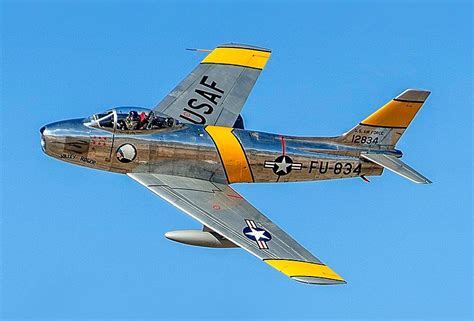
- Squadron Leader Sarfaraz Ahmed Rafiqui Shaheed (Hilal-e-Jurat, Sitara-e-Jurat): Another hero of the 1965 war, Sarfaraz Rafiqui led a formation of three F-86 Sabres against a numerically superior IAF force attacking PAF Base Sargodha. Despite his guns jamming after downing one enemy aircraft, he refused to abandon his wingmen and continued to provide cover and direct the engagement until he was shot down. PAF Base Rafiqui in Shorkot is named in his honour.
- Air Marshal Nur Khan (Hilal-e-Jurat): As the Commander-in-Chief of the PAF during the 1965 war, Air Marshal Nur Khan’s dynamic leadership and strategic acumen were pivotal to the PAF’s widely acclaimed performance. He was known for personally leading from the front and instilling a fighting spirit that enabled the PAF to effectively counter a larger adversary. His contributions extended beyond wartime, significantly shaping the PAF’s development.
- Air Commodore Najeeb Ahmed Khan (Sitara-e-Jurat): A B-57 Canberra bomber pilot, Najeeb Ahmed Khan, famously known as “8-Pass Charlie” by the Indians for his daring repeated night raids on the Adampur Airbase during the 1965 war, became a symbol of the PAF’s offensive strike capabilities and the psychological impact of its bombing campaigns.
These individuals, among many others, represent the courage, professionalism, and dedication that define the Pakistan Air Force, serving as an inspiration for current and future generations of airmen.
Conclusion: A Steadfast Guardian of Pakistan’s Skies
The Pakistan Air Force, since its humble beginnings in 1947, has evolved into a formidable and technologically advanced aerial force, deeply respected for its professionalism, operational readiness, and the valor of its personnel. Through numerous conflicts, peacetime challenges, and extensive modernization programs, the PAF has consistently demonstrated its commitment to safeguarding Pakistan’s sovereignty and territorial integrity. Its journey from a modest fleet of inherited aircraft to operating sophisticated platforms like the J-10C and the indigenously produced JF-17 Thunder, alongside ambitious future projects like the fifth-generation fighter under Project Azm, reflects a relentless pursuit of excellence and self-reliance. The PAF’s motto, “A symbol of pride for the nation,” is not merely a slogan but a lived reality, earned through decades of dedicated service, sacrifice, and an unwavering commitment to defending the nation’s aerial frontiers. As geopolitical dynamics continue to shift and technological advancements reshape modern warfare, the Pakistan Air Force remains a pivotal instrument of national power, a steadfast guardian of Pakistan’s skies, and a crucial contributor to regional stability.