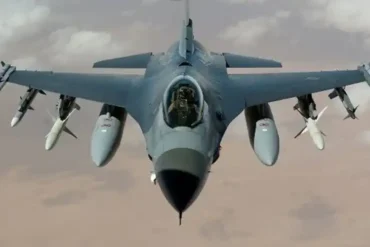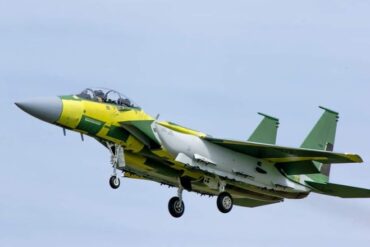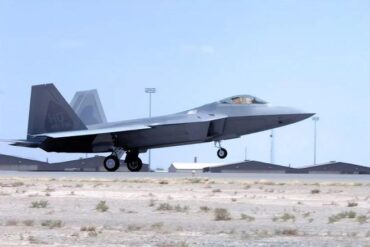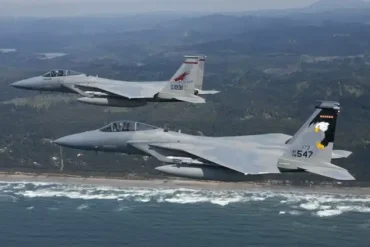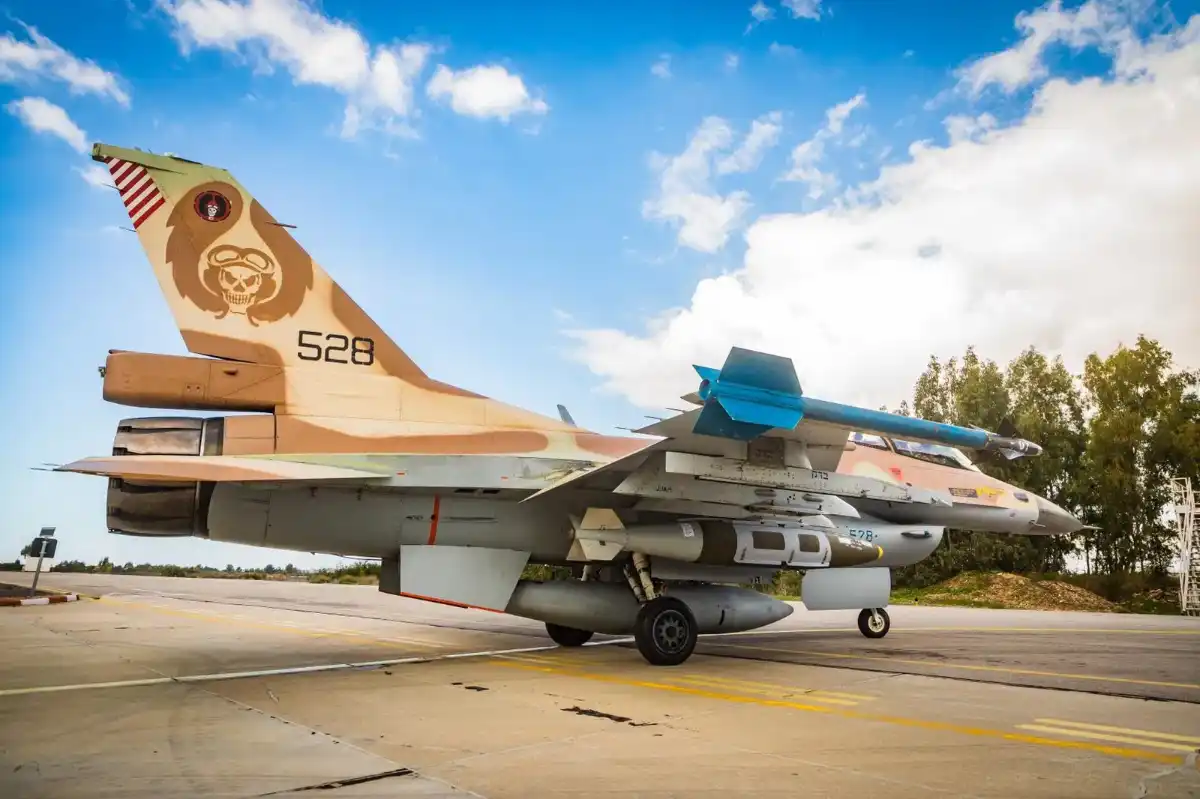
Since their introduction in the 1980s, Israeli F-16s have become a cornerstone of the Israeli Air Force’s (IAF) military power, playing a crucial role in various critical operations. The F-16 Fighting Falcon, a versatile multirole fighter, has evolved continuously, undergoing technological upgrades to meet modern combat needs. The aircraft’s success can be attributed to both its unmatched combat performance and the strategic decisions made by Israel’s military leadership. This article provides an in-depth look at the history, achievements, and future of the Israeli F-16s, as well as the ongoing advancements and challenges they face.
The History and Combat Achievements of Israeli F-16s
The 1981 “Operation Opera”
One of the defining moments in the history of the was the 1981 mission known as “Operation Opera,” where F-16A aircraft played a pivotal role in destroying the Iraqi Osirak nuclear reactor. This mission, undertaken under a veil of secrecy, showcased the F-16’s long-range strike capabilities and precision. A formation of eight F-16As, escorted by six F-15s, flew at extremely low altitudes to evade Iraqi radar systems. Armed with 907-kilogram bombs, the Israeli pilots successfully hit 16 targets, with 14 bombs hitting the intended target. The mission’s success solidified the F-16 as a highly effective strike fighter capable of penetrating well-defended areas.
The 1982 Lebanon War
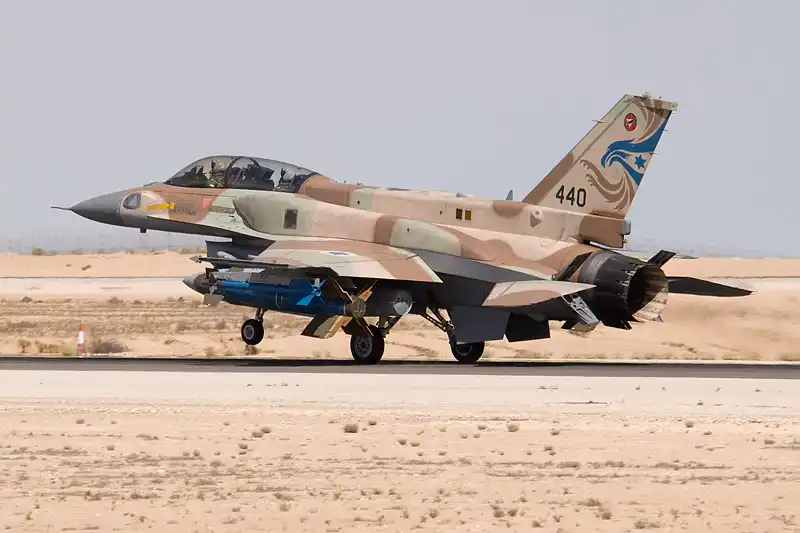
The F-16 once again demonstrated its combat capabilities during the 1982 Lebanon War, particularly in the Bekaa Valley air battle. Here, Israeli F-16s, working in coordination with F-15s, destroyed Syrian surface-to-air missile systems and engaged Syrian aircraft, including MiG-23s and Su-22s. The F-16s achieved impressive success in combat, with “Falcon 107”, an F-16A, setting a record by shooting down four enemy aircraft in a single day, including a helicopter. By the end of the conflict, the F-16s had accumulated an impressive 6.5 confirmed kills, marking one of the highest kill rates for the F-16 globally.
The 2018 Syrian Conflict
In the more recent 2018 Syrian conflict, an Israeli F-16I was shot down by a Syrian S-200 surface-to-air missile while conducting an airstrike against Iranian targets within Syria. The incident forced the Israeli Air Force to reassess its tactics, leading to a shift towards stand-off attack strategies to reduce the risks of encountering advanced air defense systems. Despite the loss, the Israeli F-16 fleet continues to play a critical role in operations against regional threats.
Technological Upgrades and Strategic Shifts
2025 Self-Protection Systems Upgrades
In response to the growing threat posed by sophisticated air defense systems such as Russia’s S-300 and S-400, Israel has invested heavily in modernizing its F-16I fleet. The 2025 upgrade plan, costing approximately $80 million, includes the installation of a new self-protection suite. This upgrade will feature advanced electronic warfare systems designed to disrupt enemy radar-guided weapons, along with infrared missile warning and launch detection systems. Additionally, the fleet will be equipped with enhanced countermeasure pods that can deploy decoys to thwart incoming threats. These improvements are meant to ensure the F-16’s effectiveness against advanced air defense systems, particularly in volatile regions like Iran and Syria.
Adoption of Stand-Off Attack Strategies
Following the loss of an F-16I in 2018, Israel has increasingly shifted towards using stand-off attack tactics. This strategy involves launching precision-guided missiles from beyond the range of enemy air defense systems, thus minimizing the risk of being targeted by surface-to-air missiles. A prominent example of this shift occurred in October 2024, when Israeli F-16s launched long-range air-to-surface missiles at targets in Tehran. By staying outside Iranian airspace, Israeli jets avoided direct confrontation with Iran’s advanced missile defense networks. This approach builds on lessons learned during operations in Syria and is expected to become more prominent in future operations.
Current Fleet Composition and Future Roles
F-16I “Sufa”
The Israeli F-16I—also known as the “Sufa” or “Storm”—is the cornerstone of the Israeli F-16 fleet. Custom-built for Israeli requirements, the F-16I is equipped with advanced avionics, including EL/M-8222 electronic warfare pods and the capability to carry a range of Israeli-made weapons, such as the Derby medium-range air-to-air missile. Furthermore, it incorporates conformal fuel tanks, which extend its operational range, making it suitable for both tactical and strategic strikes. The F-16I is also integrated with Israel’s cutting-edge data links and radar systems, which allow it to operate seamlessly alongside other aircraft, including F-35s and F-15s.
F-16C/D Block 40/52
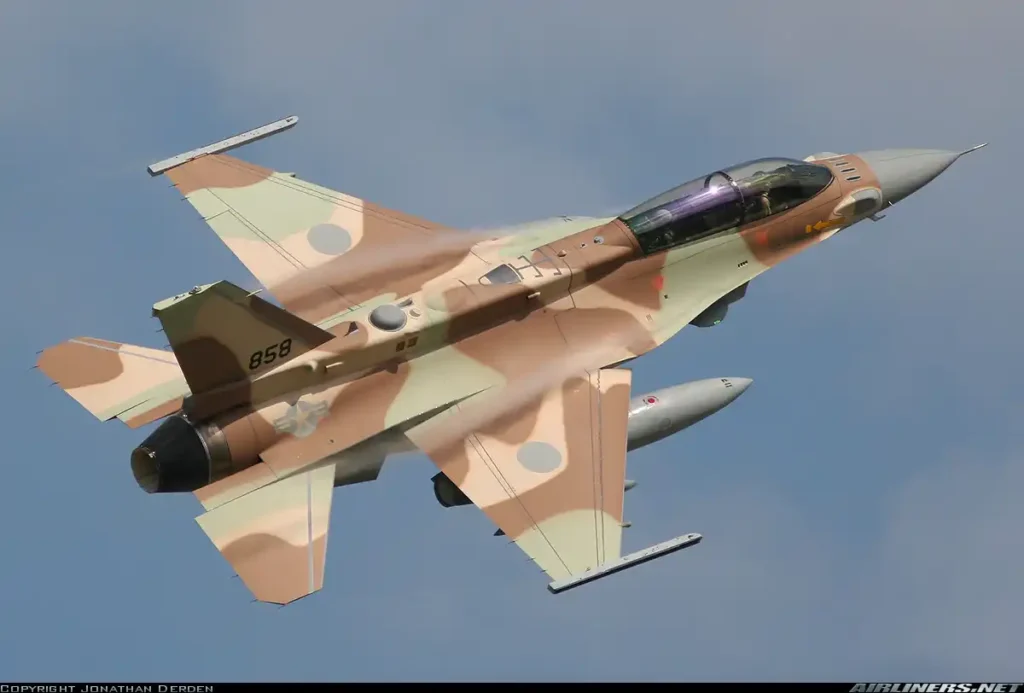
The F-16C/D Block 40/52 variants in service with the IAF have undergone extensive upgrades to ensure they remain relevant in modern warfare. Known as the “Barak 2020” program, these aircraft have been enhanced with AESA radar, new data links, and a range of other modifications that increase their combat effectiveness. While these upgraded F-16s are not as advanced as the F-35, they remain an integral part of Israel’s air superiority strategy, especially when employed in support roles alongside fifth-generation aircraft.
F-35 and F-16 Integration
Despite the introduction of the F-35 Lightning II into the Israeli Air Force, the F-16 fleet remains a critical component of Israel’s defense strategy. The F-35 excels in stealth and precision strike capabilities, but the F-16 provides unmatched flexibility in combat, particularly in high-intensity engagements and large-scale strike operations. As of 2025, Israel plans to maintain approximately 100 operational F-16s, ensuring that it can carry out long-range strike missions while also complementing its F-35 fleet.
International Influence and Controversies
F-16 Sales and Modifications
Israeli F-16s have not only served Israel but have been sold to numerous countries around the world. One notable example is Croatia, which in 2018 finalized a deal to acquire 12 upgraded F-16C/D Barak jets for $420 million. These aircraft, originally purchased by Israel, were modified with advanced Israeli electronic systems and air-to-air missile capabilities, including the Python series of missiles. Although the sale initially faced hurdles, particularly concerning modifications that diverged from the original specifications, the U.S. government eventually approved the sale. Croatia’s purchase illustrates the global demand for Israeli-modified F-16s, further solidifying Israel’s reputation as a leader in military aviation technology.
Deterrence Role in the Middle East
Israel’s F-16 fleet has played a critical role in maintaining strategic deterrence in the Middle East. The aircraft has served as a direct counter to the growing threat posed by adversaries like Iran and Syria, especially in light of the advanced air defense systems deployed by these countries. For example, during the October 2024 Tehran airstrike, the F-16s helped neutralize Iranian S-300 missile systems, demonstrating the F-16’s continued relevance in a rapidly evolving regional security environment. The fleet’s ability to carry out precision strikes against high-value targets while avoiding detection remains a cornerstone of Israeli military doctrine.
Conclusion: The Future of Israeli F-16s
The Israeli F-16s are not just a historical asset but a key component of Israel’s modern defense strategy. From Operation Opera to the latest operations in Syria and Iran, the F-16 has proven time and again that it is a versatile, highly effective fighter aircraft. As Israel faces new and evolving threats in the form of advanced air defense systems and regional instability, the F-16 will continue to evolve. Upgrades like the 2025 self-protection system, coupled with a shift toward stand-off attacks, ensure that the F-16 will remain a formidable force for decades to come.
Ultimately, the F-16s embody Israel’s commitment to maintaining technological superiority and adapting to the challenges of modern warfare. As the IAF integrates newer technologies like the F-35, the F-16s will continue to play a vital role in maintaining Israel’s military edge, ensuring that the country remains ready to respond to any threats, anywhere in the region.
Key Takeaways
- Israeli F-16s have consistently proven to be a cornerstone of Israel’s military strength, with a proven combat record dating back to 1981.
- Significant upgrades to the fleet ensure that the F-16 remains capable of tackling modern threats, including advanced air defense systems and evolving adversary tactics.
- Despite the introduction of more advanced aircraft like the F-35, the F-16 remains a key player in Israel’s air superiority strategy, offering flexibility and firepower in a variety of mission sets.
- The F-16s continue to influence global military aviation, particularly through international sales and strategic partnerships with countries like Croatia.
Through continuous upgrades and tactical evolution, the Israeli F-16s remain an invaluable asset, both to Israel and to the global community of air forces.