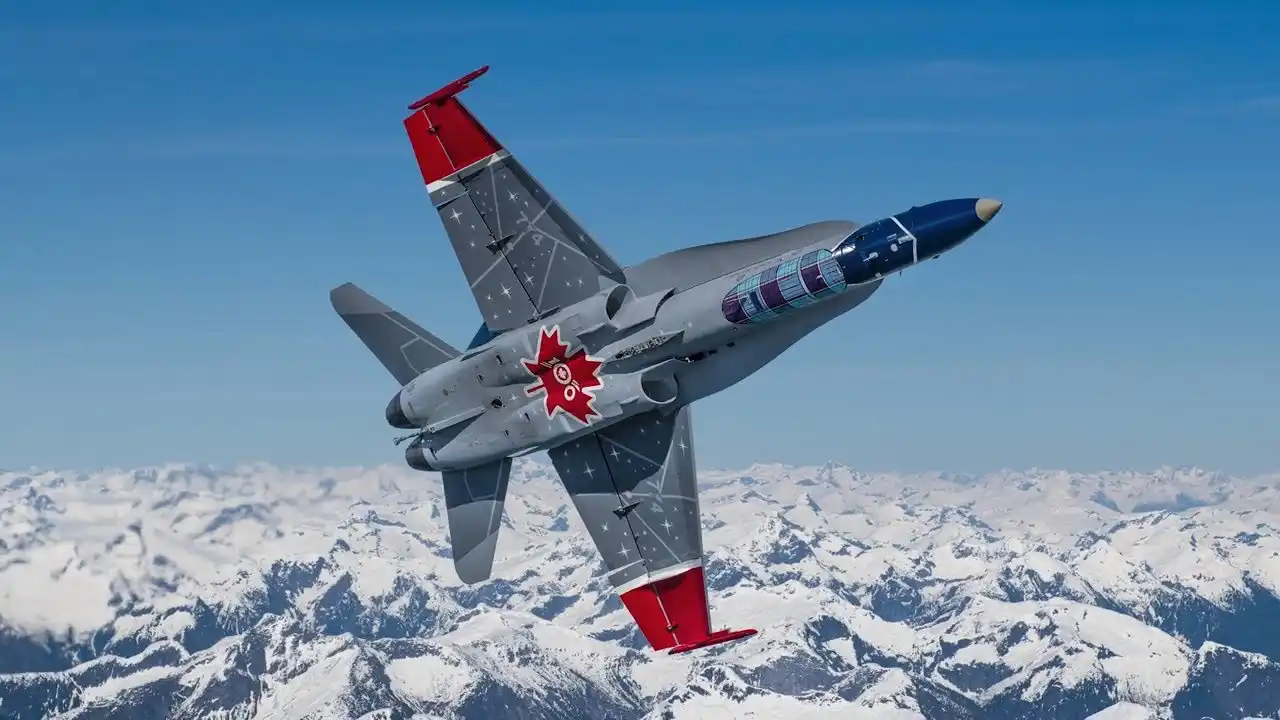
The CF-18 Hornet, the Canadian variant of the F/A-18, has been a cornerstone of the Royal Canadian Air Force (RCAF) for over four decades. As Canada transitions to the next generation of fighter jets, understanding the CF-18’s history, recent upgrades, and future replacement is crucial.
The Current State of the CF-18 Fleet
Canada operates approximately 80 CF-18 Hornets, introduced in the 1980s to replace the aging CF-101 Voodoo and CF-104 Starfighter fleets. These aircraft have seen combat in Iraq and Afghanistan, participated in NATO patrols, and played a vital role in North American Aerospace Defense Command (NORAD) missions.
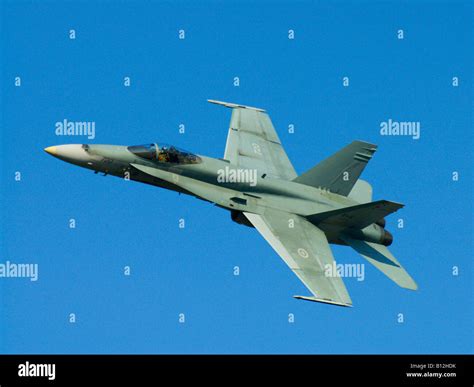
To maintain operational effectiveness, Canada launched a $637.61 million CAD upgrade initiative in 2020. The program aims to extend the fleet’s service life until the mid-2030s, ensuring interoperability with allied forces. The upgrades include:
- APG-79(V) Active Electronically Scanned Array (AESA) radar for improved target acquisition
- AIM-9X Block II Sidewinder missiles for enhanced air-to-air combat
- New defensive electronic warfare systems to counter modern threats
The first 36 CF-18s receiving these enhancements were expected to be operational by 2023.
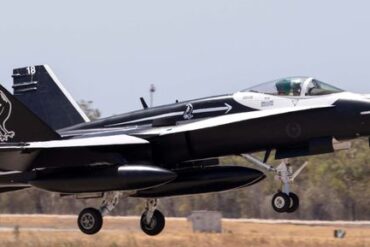
The Stopgap: Australia’s Second-Hand F/A-18s
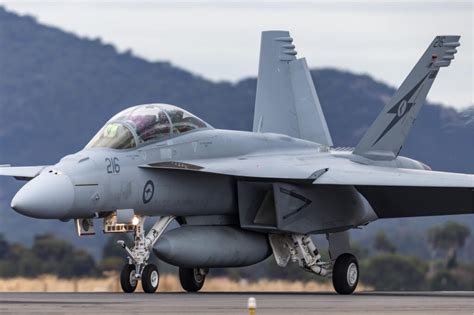
Recognizing the aging CF-18 fleet’s limitations, Canada sought to acquire additional fighter jets. The initial plan involved purchasing 18 brand-new F/A-18E/F Super Hornets from Boeing. However, this deal collapsed due to a trade dispute between the U.S. and Canada.
In response, Canada turned to Australia, securing 25 used F/A-18A/B Hornets in 2019. Of these:
- 18 were integrated into active service
- 7 were acquired for spare parts
This acquisition filled a crucial capability gap, allowing Canada to maintain a credible air defense force while awaiting a long-term replacement.
Boeing vs. Bombardier: The Trade Dispute Impact
The Boeing Super Hornet acquisition fell apart due to a bitter trade conflict. Boeing alleged that Bombardier, a Canadian aerospace firm, received illegal government subsidies, enabling it to sell CSeries aircraft at unfairly low prices. The U.S. Department of Commerce imposed tariffs exceeding 200% on Bombardier jets, prompting Canada to retaliate.
As a result, Canada canceled the Super Hornet purchase, opting for the Australian second-hand F/A-18s instead. This decision not only cost Boeing a $5 billion contract but also reshaped Canada’s fighter procurement strategy.
The Future of Canada’s Fighter Fleet: F-35 Acquisition
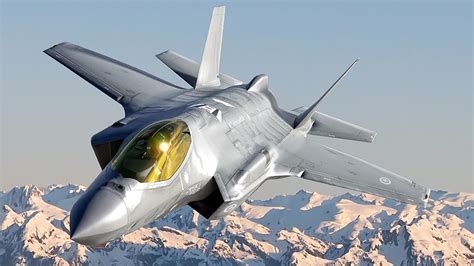
After years of debate and competitive bidding, Canada officially selected the Lockheed Martin F-35 Lightning II as its CF-18 replacement. Announced in January 2023, this $19 billion CAD deal includes 88 F-35A jets, with deliveries scheduled as follows:
- 2026: First 4 F-35s arrive
- 2032-2034: Full operational capability achieved
The F-35 offers stealth capabilities, advanced avionics, and superior sensor fusion technology, providing a quantum leap in capability compared to the CF-18.
Safety Concerns and Aging Fleet Risks
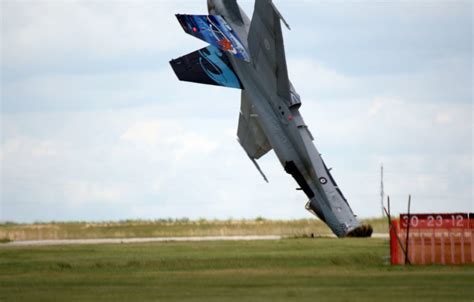
The CF-18’s prolonged service has raised safety concerns, underscored by multiple incidents, including the 2010 crash in Alberta during an air show rehearsal. The pilot ejected safely, but the accident highlighted:
- Aging airframes leading to structural fatigue
- Increased maintenance costs and downtime
- Growing risks in high-intensity combat scenarios
These risks accelerated Canada’s push for fleet modernization.
CF-18’s Role in International Operations
Despite its age, the CF-18 continues to play an active role in global security. Notable deployments include:
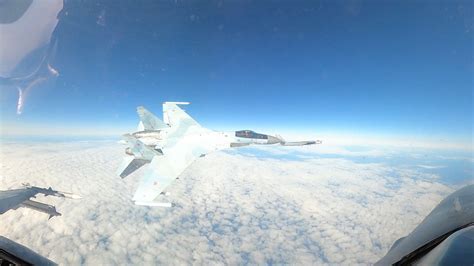
- NORAD Operations: In 2019, CF-18s intercepted Russian Tu-95 bombers near Alaska, showcasing their importance in North American air defense.
- Exercise Red Flag: CF-18s participated in this U.S.-led multinational exercise, training alongside American, British, and Australian forces.
- NATO Missions: Canadian CF-18s have patrolled Eastern Europe, reinforcing deterrence against potential adversaries.
Conclusion: The Transition to a New Era
The CF-18 Hornet has served Canada with distinction for over 40 years. While upgrades have extended its lifespan, the transition to the F-35 Lightning II marks a new era for Canadian air defense. Despite challenges such as political disputes and aging hardware, the RCAF is poised to maintain a modern, capable fighter fleet well into the 21st century.
Frequently Asked Questions (FAQ)
1. Why did Canada choose the F-35 over other aircraft?
Canada selected the F-35A Lightning II due to its stealth technology, advanced avionics, and interoperability with allies like the U.S. and NATO partners. Competing aircraft, such as the Saab Gripen and Dassault Rafale, lacked the same level of long-term capabilities.
2. How long will Canada continue operating the CF-18?
The CF-18 is expected to remain in service until 2032-2034, when the full fleet of 88 F-35s is operational. Upgrades are helping to bridge the gap until the transition is complete.
3. What happened to Canada’s planned purchase of Super Hornets?
Canada canceled its planned F/A-18E/F Super Hornet purchase after Boeing initiated a trade dispute with Bombardier. This led Canada to acquire second-hand Australian F/A-18s instead, delaying the transition to a new fighter fleet.