Before dawn on March 1, 2026, the skyline of Kabul was fractured by explosions and the sharp rattle of anti-aircraft fire. Afghan authorities confirmed that air defense units engaged fighter jets from the Pakistan Air Force over the capital, marking one of the most direct and symbolically charged confrontations since the outbreak of the 2026 Afghanistan–Pakistan war. The escalation follows days of mounting cross-border strikes and retaliatory operations that have transformed long-simmering tensions into open warfare.
The engagement over Kabul did not emerge in isolation. It came after a week of Pakistani airstrikes targeting sites in eastern Afghan provinces, including Nangarhar, Paktika, and Khost. Islamabad stated that these operations aimed to dismantle alleged militant camps linked to Tehreek-e-Taliban Pakistan and Islamic State Khorasan Province. Afghan officials rejected those claims, asserting that civilian areas and religious centers were struck. United Nations figures later confirmed civilian casualties, deepening international concern over the conduct and trajectory of the conflict.
Explosions reported across Kabul were followed by sustained bursts of gunfire as Afghan anti-aircraft units responded. Authorities urged residents to remain calm, but the psychological effect of aerial combat over the capital was unmistakable. The 2,600-kilometer border shared by Afghanistan and Pakistan has historically been volatile, yet direct air engagements above Kabul represent a strategic and symbolic escalation with potentially far-reaching consequences.
Escalation After the Collapse of the October 2025 Ceasefire
The current war began on February 21, 2026, after the breakdown of a fragile ceasefire established in October 2025. Cross-border incidents and mutual accusations intensified in the months preceding open hostilities. Pakistan’s initial wave of airstrikes targeted what it described as seven militant camps. Afghan officials reported 18 civilian fatalities in Nangarhar province during those strikes, while Pakistan maintained that only militant targets were engaged. Independent UN verification confirmed 13 Afghan civilian deaths and additional injuries, highlighting the fog and friction that characterize modern conflict reporting.
On February 26, Afghan authorities announced a retaliatory operation across multiple border provinces, including Nangarhar, Nuristan, Kunar, Khost, Paktia, and Paktika. Kabul claimed the deaths of 55 Pakistani soldiers and the capture or destruction of numerous border outposts and a military headquarters. Islamabad rejected those figures, reporting instead limited casualties on its side and significant losses among Afghan forces. The stark divergence in reported numbers underscores how information warfare now parallels kinetic operations.
Pakistan subsequently launched what it termed Operation Ghazab Lil Haq, expanding air and ground strikes into Kabul, Kandahar, Paktia, and Nangarhar. Islamabad declared a state of open war and reported extensive destruction of Afghan corps and brigade headquarters, ammunition depots, logistics bases, and armored equipment. By March 1, Pakistan stated that 46 locations across Afghanistan had been targeted since the beginning of operations, claiming hundreds of Afghan military fatalities for comparatively limited Pakistani losses. Afghan officials countered with their own casualty figures, reflecting the persistent contest over narrative dominance.
Afghan Air Defenses Under Pressure in Kabul
Afghanistan’s armed forces, operating under the authority of Supreme Leader Hibatullah Akhundzada and Defense Minister Mullah Yaqoob, field an estimated 165,000 to 172,000 personnel. This includes full-time troops and local militia formations. Units such as the 201 Khalid Ibn Walid Corps, the 203 Mansoori Corps, and the Badri 313 Battalion form the backbone of frontline operations. Officials have indicated that only selected formations were initially deployed, suggesting that additional reserves remain uncommitted.
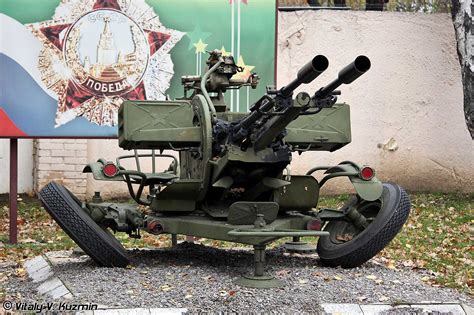
The Afghan air defense response over Kabul relied heavily on legacy systems inherited from previous governments. These include ZU-23-2 twin-barrel 23 mm anti-aircraft guns, ZPU-series heavy machine guns, DShK mounts on technical vehicles, and man-portable air defense systems such as Strela-2 and 9K38 Igla missiles. While effective at low altitude and against slower aircraft, these systems face severe limitations against modern jets employing precision-guided munitions and operating with electronic countermeasures.
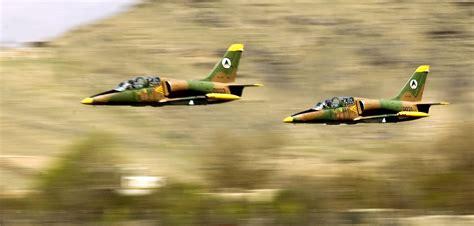
Afghanistan’s air force remains comparatively modest. A reduced fleet of A-29 Super Tucano light attack aircraft and MD-530 helicopters provides localized support, but maintenance challenges, spare parts shortages, and constrained radar coverage have limited sustained air operations. The engagement over Kabul thus highlights both the determination of Afghan defenders and the structural constraints under which they operate.
Pakistan’s Airpower Advantage and Operational Reach
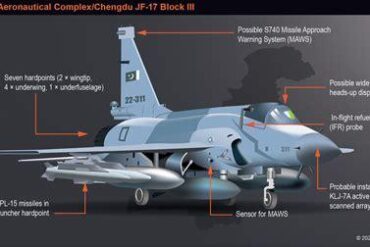
On the opposing side, the Pakistan Air Force fields a significantly larger and more technologically advanced fleet. With 388 fighter jets in active service, including 75 F-16 variants, 156 JF-17 fighters across multiple blocks, Mirage III and Mirage 5 aircraft, and F-7PG interceptors, Islamabad maintains a robust strike capability. Additional assets such as airborne early warning platforms, including Saab 2000 Erieye systems and ZDK-03 aircraft, extend situational awareness far beyond the battlefield horizon.
Aerial refueling tankers and a transport fleet built around C-130 variants enable extended-range sorties and sustained operational tempo. The presence of a dedicated Special Services Wing within the air force structure further enhances joint air-ground coordination. This technological and logistical ecosystem allows Pakistan to conduct coordinated strike packages that combine precision munitions, electronic warfare, and real-time intelligence.
The disparity in airpower has shaped the conflict’s tempo. Pakistani forces have demonstrated the capacity to strike deep into Afghan territory, targeting command structures and logistical nodes. Afghan forces, in contrast, have focused on defensive actions along border sectors and air defense over major urban centers. The engagement above Kabul thus reflects a broader asymmetry: one side projecting air dominance, the other attempting to blunt it with dispersed and largely legacy systems.
Strategic Calculations and Regional Implications
The direct engagement over Kabul raises critical questions about escalation thresholds. Air operations above a national capital carry symbolic weight and risk miscalculation. Civilian populations become immediate witnesses to the machinery of war, amplifying domestic and international pressure. At the same time, both governments frame their actions as defensive responses to provocation, reinforcing entrenched positions.
The 2,600-kilometer frontier between Afghanistan and Pakistan has long been a flashpoint shaped by insurgency, counterterrorism operations, and contested sovereignty. The 2026 war represents the most intense bilateral confrontation in years. Casualty claims from both sides suggest heavy losses, though independent verification remains limited. Each new strike, especially in urban centers, increases the probability of broader regional involvement or diplomatic intervention.
Military analysts note that sustained air campaigns require not only hardware but resilient logistics, political will, and economic endurance. Pakistan’s larger standing forces and deeper inventory of armored vehicles and artillery provide conventional advantages. Afghanistan’s reliance on infantry-heavy formations and captured U.S.-origin equipment from 2021 underscores its adaptive but constrained posture. The durability of these respective strategies will shape the war’s trajectory.
The Human Dimension Behind the Statistics
Behind every reported strike count and equipment inventory lie civilian neighborhoods, displaced families, and soldiers on both sides operating under intense pressure. Reports of civilian casualties in Nangarhar and elsewhere have already drawn scrutiny from humanitarian observers. Urban engagements, such as the one over Kabul, amplify the risk of collateral damage, particularly when anti-aircraft fire and falling debris intersect with densely populated areas.
Information control has become integral to the conflict. Divergent casualty figures and competing narratives circulate rapidly, influencing domestic morale and international perception. In modern warfare, the battle for legitimacy unfolds alongside the exchange of munitions. The engagement over Kabul therefore represents not only a tactical episode but a communications inflection point.
A Conflict at a Dangerous Crossroads
The strike and counterfire above Kabul signal that the 2026 Afghanistan–Pakistan war has entered a more volatile phase. The collapse of the October 2025 ceasefire, the rapid cycle of retaliation, and the widening geographic scope of operations suggest that de-escalation will require substantial diplomatic intervention. Without it, the interplay of airpower, border engagements, and political messaging risks entrenching a prolonged and destabilizing conflict.
For now, the skies over Kabul stand as a stark emblem of escalation. Fighter jets, anti-aircraft tracers, and contested casualty claims illustrate how swiftly regional tensions can harden into open confrontation. The coming weeks will test whether strategic restraint can reassert itself or whether the war will continue to expand in scale and intensity, reshaping the security landscape of South Asia in the process.