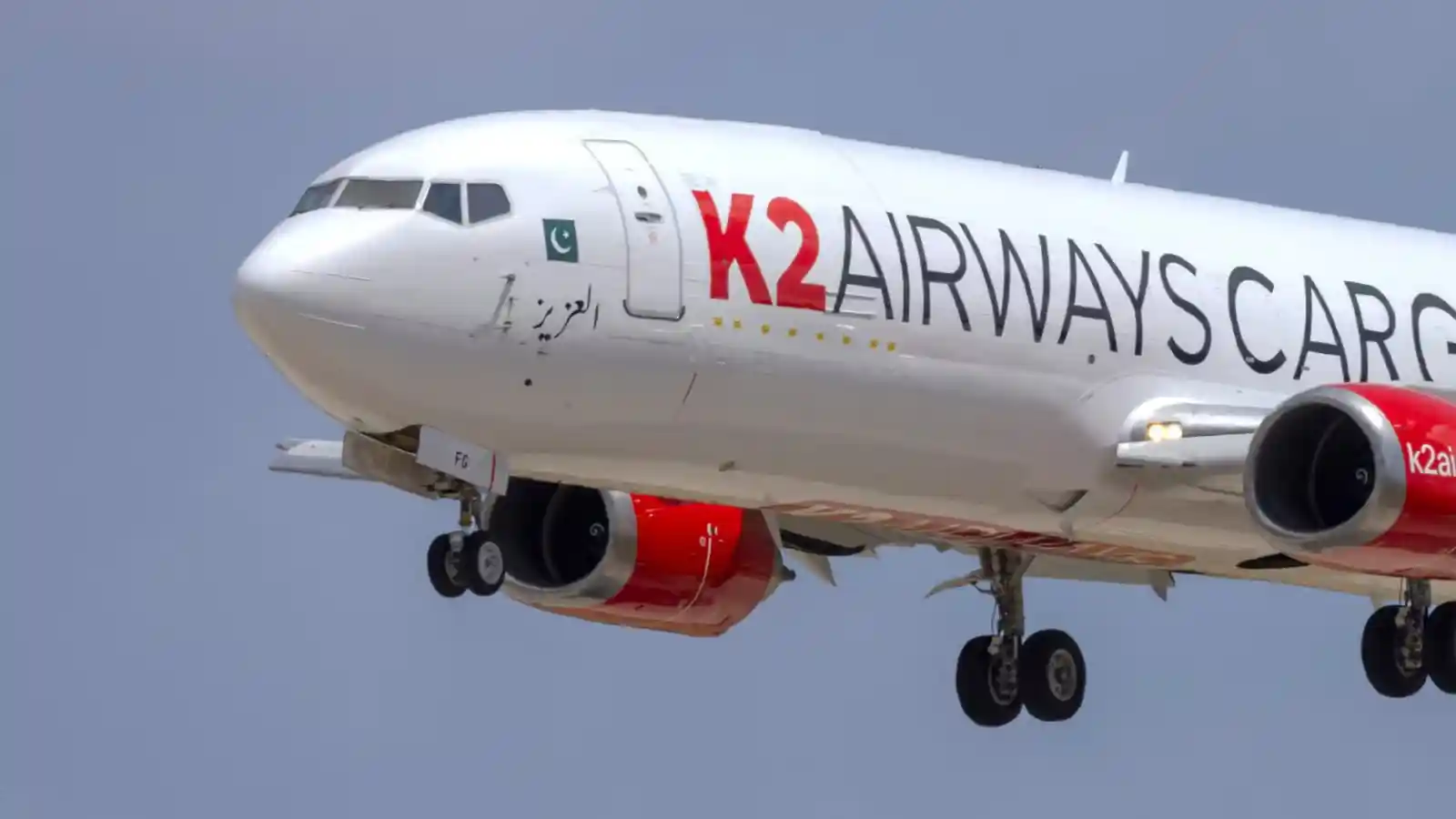
Search teams have located the wreckage of a K2 Airways Boeing 737-400 cargo aircraft that disappeared over the Arabian Sea after reporting a navigational system issue. Here’s everything currently known about the developing investigation, the search operation, the aircraft’s history, and what comes next.
Pakistan’s aviation sector has been thrust into the global spotlight after authorities confirmed that search teams located wreckage belonging to the missing K2 Airways Boeing 737-400 freighter in the Arabian Sea. The discovery follows hours of uncertainty after the aircraft vanished from radar while operating a scheduled cargo service from Sharjah in the United Arab Emirates to Karachi, Pakistan. The tragedy has prompted an extensive multinational search effort, official statements from Pakistan’s highest political leadership, and the beginning of what is expected to become a lengthy accident investigation.
The aircraft, operating as K2 Airways Flight KTA1732, was carrying five crew members when it encountered a reported navigational system malfunction shortly before disappearing from radar. Initial air traffic control recordings and flight tracking information indicate the aircraft experienced an unusual sequence of altitude changes followed by a rapid descent, ultimately losing contact approximately 155 nautical miles west of Karachi over the Arabian Sea.
As investigators begin assembling evidence, authorities continue emphasizing that determining the exact cause of the accident will require detailed analysis of recovered wreckage, maintenance documentation, operational records, and any recoverable flight recorders. Until those findings emerge, officials continue urging restraint against premature conclusions.
Wreckage Confirmed South of Ormara
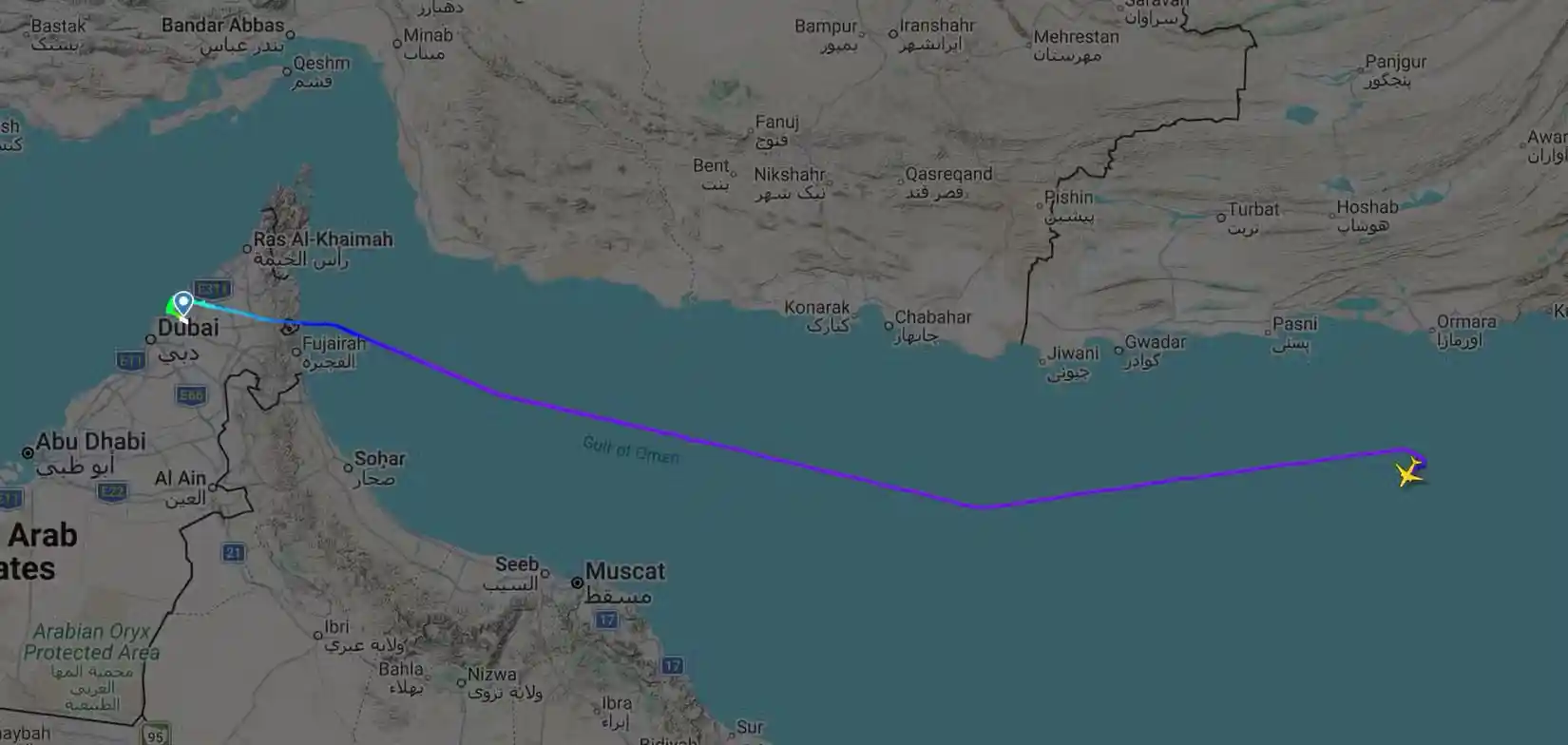
The latest confirmed development came after the Pakistan Airports Authority announced that search teams successfully identified debris belonging to the missing aircraft. The wreckage was located approximately 53 nautical miles (98 kilometers) south of Ormara, a coastal town positioned west of Karachi near the point where the Gulf of Oman transitions into the Arabian Sea.
The location broadly aligns with earlier search calculations based upon radar information, aircraft performance data, weather conditions, and estimated drift patterns. Maritime specialists immediately began documenting floating debris while additional vessels moved into the area to support recovery operations.
PN and PMSA after 12 hours of Search & Rescue operations in deep Sea have successfully located and identified wreckage of K2 Airways Cargo B737 which was declared missing last night. The wreckage was recovered from 53 NM South of ORMARA. pic.twitter.com/0dZpj8s7u3
— Pakistan Airports Authority (@Pk_PAA_Official) July 8, 2026
Finding the wreckage represents a significant milestone in the investigation because it provides investigators with the first physical evidence needed to reconstruct the aircraft’s final moments. Every recovered structural component, avionics assembly, and cargo fragment could help establish the sequence of events that unfolded during the aircraft’s final minutes.
Prime Minister Confirms Aircraft Crashed Into the Sea
Before the discovery of wreckage, Pakistani Prime Minister Shehbaz Sharif publicly confirmed that the cargo aircraft had crashed into the Arabian Sea.
In an official statement, the Prime Minister expressed profound sorrow over the tragedy involving the privately operated cargo flight traveling from Sharjah to Karachi. He extended condolences to the families of the five crew members while assuring the public that every available national resource had been mobilized to support search, rescue, and recovery efforts.
Such confirmation marked an important turning point in the government’s response, shifting operational priorities from locating a missing aircraft toward recovery operations and the launch of a formal accident investigation.
The Prime Minister’s statement also underscored the national significance of the accident, particularly because Pakistan has experienced relatively few fatal commercial aviation disasters in recent years.
Timeline of the Aircraft’s Final Flight
The known sequence of events illustrates how rapidly the situation deteriorated.
The Boeing 737 departed Sharjah International Airport on a routine cargo mission bound for Jinnah International Airport in Karachi. During cruise, the aircraft was operating normally at approximately 35,000 feet before the crew contacted Karachi Area Control Centre to report a navigational system issue.
Air traffic controllers immediately began providing navigational assistance.
Only minutes later, radar recordings indicated dramatic and unexpected aircraft movements.
Public flight tracking information showed the aircraft descending to roughly 29,475 feet, climbing again above 36,000 feet, then descending once more. The final ADS-B transmission reportedly placed the aircraft at approximately 1,100 feet before all communications and radar contact ceased.
This highly unusual flight profile has attracted considerable attention among aviation professionals because rapid altitude changes combined with heading deviations can indicate multiple possible scenarios, ranging from technical malfunctions to flight control challenges. However, specialists caution that radar information alone cannot determine the underlying cause.
Massive Search and Rescue Operation Mobilized
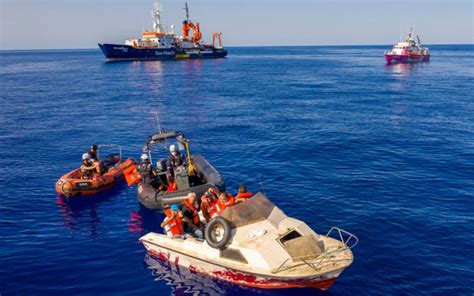
Immediately after communications were lost, Pakistan activated its national Rescue Coordination Centre, launching one of the country’s largest recent maritime aviation search operations.
The mission involved close coordination between civilian aviation authorities and military organizations.
Assets deployed included:
- Pakistan Navy warship PNS Zulfiqar
- Pakistan Air Force surveillance aircraft
- Pakistan Navy ATR maritime patrol aircraft
- Pakistan National Shipping Corporation commercial vessel
- Additional maritime rescue teams operating throughout the search zone
Open-water search operations remain inherently difficult because ocean currents, weather systems, and visibility conditions constantly shift debris fields. Reports indicated rough sea conditions complicated recovery efforts, requiring search planners to continually update search grids based on evolving environmental conditions.
The coordinated deployment demonstrated Pakistan’s integrated emergency response capabilities across military and civilian agencies.
K2 Airways Identifies the Five Crew Members
K2 Airways later released an official statement confirming the identities of the five personnel aboard the aircraft.
Those onboard included:
- Mohammad Rizwan Idrees – Pilot in Command
- Faisal Mehmood – First Officer
- Muhammad Toufique Khan – Load Master
- Arif Siddiqui – Engineer
- Mohammad Hamid – Engineer
The airline stated it was fully cooperating with the Pakistan Civil Aviation Authority and all relevant government agencies throughout the investigation.
Company representatives also expressed hope during the initial search phase while offering condolences following confirmation that the aircraft had crashed.
For cargo operators, crews often work outside public attention despite performing critical logistical missions that sustain international trade, medical supply chains, industrial manufacturing, and express freight operations.
What Authorities Said About the Emergency
The Pakistan Civil Aviation Authority provided the first official technical description of the event.
According to the authority, the crew reported experiencing a navigational system issue at approximately 9:18 PM Pakistan Standard Time while en route to Karachi.
Controllers immediately initiated navigational assistance.
Within roughly three minutes, radar displayed a rapid descent accompanied by a substantial heading change before all communication ceased.
These official details remain central to investigators because they establish both the timeline and the aircraft’s known operational condition immediately before radar contact ended.
Investigators will now examine whether the reported navigation malfunction represented an isolated equipment failure or whether it formed part of a broader chain of technical events.
The Boeing 737-400’s Long Operational History
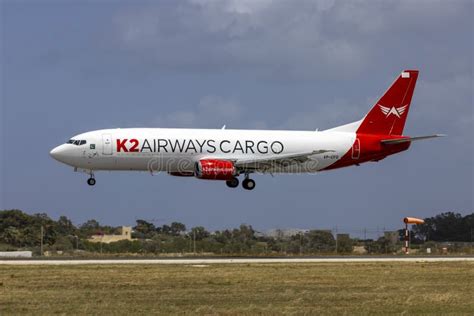
The aircraft involved carried registration AP-BOI and was approximately 27.5 years old.
Its operational history reflects the extended lifecycle commonly seen among commercial freighter aircraft.
Originally ordered during 1997, the Boeing 737-400 completed its maiden flight in early 1999 before entering passenger service with Aeroflot.
Following several years in Russia, the aircraft transferred to Garuda Indonesia, where it continued passenger operations until 2011.
Rather than retiring, the aircraft underwent conversion into a dedicated cargo freighter.
Freighter conversions remain common because cargo operators generally require less cabin infrastructure while benefiting from aircraft that retain substantial structural life.
Following conversion, the aircraft spent over a decade flying cargo operations for FedEx, operated by ASL Airlines, before later transitioning through additional registrations and ultimately joining K2 Airways during July 2024.
Its operational history illustrates how many Boeing 737 Classic aircraft continue serving global cargo networks decades after entering commercial service.
Pakistan’s First Major Aviation Accident Since 2020
The accident represents Pakistan’s first major fatal commercial aviation disaster in approximately six years.
The country’s previous major tragedy occurred during May 2020 when a Pakistan International Airlines Airbus A320 crashed while attempting to land in Karachi.
That accident claimed 97 of the 99 people onboard, along with one fatality on the ground.
Investigators ultimately concluded that human error, procedural failures, and inadequate cockpit communication contributed significantly to that disaster.
Although comparisons between aviation accidents naturally emerge following major events, investigators consistently stress that every occurrence possesses unique operational circumstances requiring independent examination.
For that reason, officials have avoided drawing connections between the 2020 accident and the current cargo aircraft investigation.
What Investigators Will Focus on Next
With wreckage now located, the investigation enters a far more technical phase.
Investigators are expected to focus on recovering:
- Flight Data Recorder
- Cockpit Voice Recorder
- Navigation equipment
- Flight control components
- Engines
- Maintenance documentation
- Air traffic control recordings
These sources collectively enable investigators to reconstruct the aircraft’s final minutes with extraordinary precision.
Special attention will likely be directed toward understanding the reported navigational malfunction and determining whether it directly influenced aircraft control or represented only one element within a broader sequence of failures.
Investigators must also analyze weather data, aircraft loading, maintenance history, crew actions, communication transcripts, and radar recordings before reaching evidence-based conclusions.
Aviation Community Awaits Answers
The discovery of wreckage has brought clarity to one question while opening many others.
Families now face an incredibly difficult period as recovery efforts continue, while aviation authorities begin the painstaking work of determining exactly what happened aboard the Boeing 737 during its final minutes over the Arabian Sea.
Cargo aviation often operates beyond public attention, yet it forms an essential backbone of international commerce. Every accident involving a dedicated freighter serves as a reminder that cargo flight crews encounter many of the same operational challenges faced by passenger airlines, often while flying overnight schedules across demanding international routes.
As recovery operations continue off Pakistan’s southern coast, the aviation community will closely follow every official update. The evidence recovered from the Arabian Sea will ultimately determine not only how this tragedy unfolded but also what lessons may help prevent similar accidents in the future. Until investigators complete that work, the confirmed facts remain clear: the aircraft disappeared shortly after reporting a navigational issue, an extensive multinational search was launched, and wreckage has now been found south of Ormara, marking the beginning of a comprehensive accident investigation into one of Pakistan’s most significant aviation events in recent years.