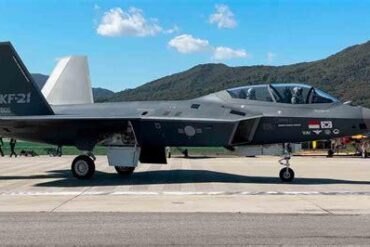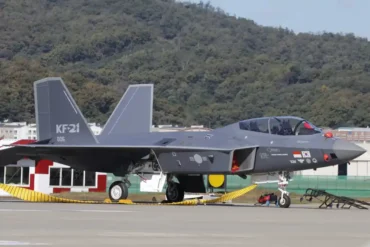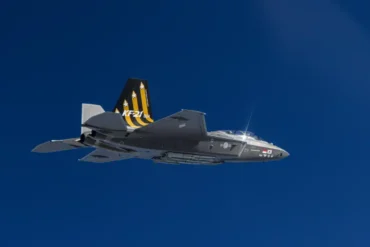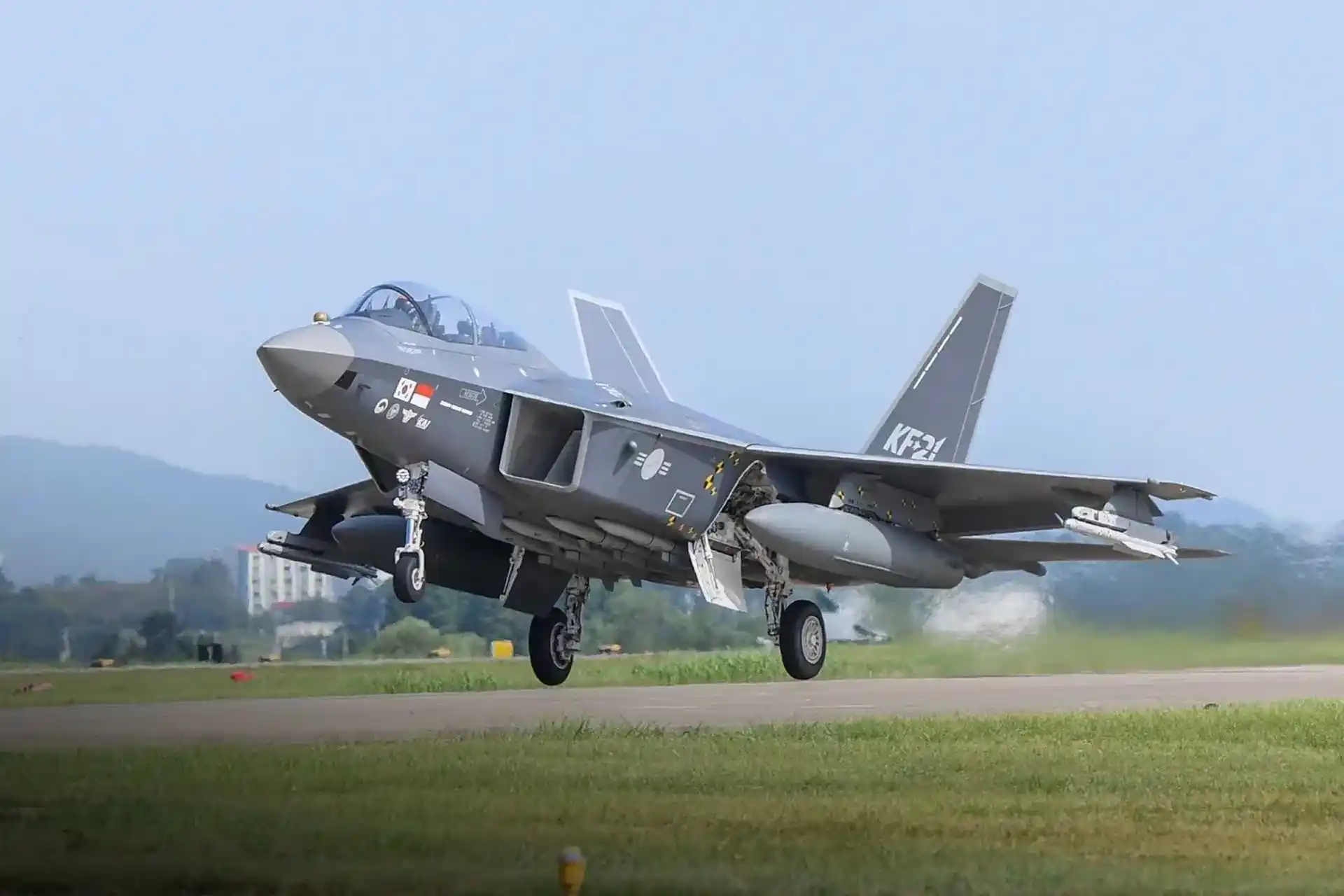
On January 6, 2026, the Philippines formally requested South Korea to schedule the delivery of KF-21 Boramae multirole fighter jets between 2027 and 2029, aligning the acquisition with the Philippine Air Force’s Horizon 3 modernization program. This request, confirmed by an official from Korea Aerospace Industries (KAI), represents a pivotal moment in the country’s evolving defense posture and its long-term alignment with South Korea’s defense industrial ecosystem.
Strategic Timing Within Horizon 3 Defense Roadmap
The delivery window from 2027 to 2029 is not arbitrary—it is synchronized with Horizon 3, the final phase of the Philippines’ $35 billion modernization program focused on high-end capabilities. The KF-21 Boramae is being considered as the keystone of the program’s multirole fighter requirement, with the Philippines building on its existing familiarity with Korean platforms like the FA-50PH light fighter. This consistency reduces training, logistics, and sustainment complexity.
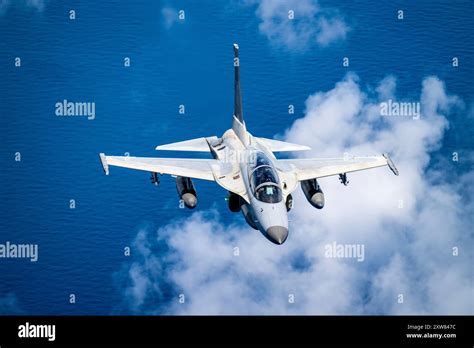
The 2025 contract for 12 additional FA-50PH units, worth approximately $700 million, already demonstrated how South Korea’s streamlined production process could support early deliveries—within just six months of contract signature. This proactive production capacity, developed in response to surging global demand following the Russia-Ukraine war, positioned South Korea as a dependable partner.
A Fighter for a Crowded, Competitive Market
The international fighter jet market has grown significantly—from $45 billion in 2022 to an estimated $50.8 billion by 2025, with projections reaching up to $79 billion by 2035. This has made delivery timelines a central concern for air forces worldwide. Against this backdrop, the Philippines’ request places it in a strategic position to secure production slots within a window when many global programs are booked through 2030.
South Korea’s domestic plan to acquire at least 120 KF-21s through the early 2030s has guaranteed a stable production run, creating favorable conditions for exports. With existing foreign orders including 48 FA-50s for Poland and 18 for Malaysia, KAI’s assembly line—capable of producing up to five aircraft monthly—has proven its capacity to handle scale while maintaining delivery integrity.
Technical Overview of the KF-21 Boramae
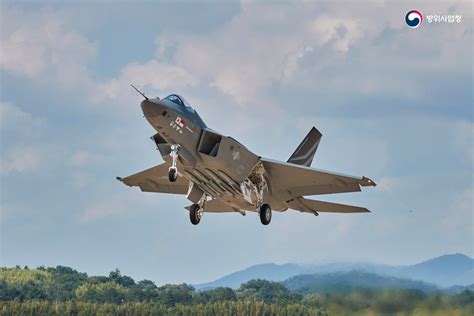
The KF-21 is a cutting-edge, twin-engine 4.5-generation fighter born from the KF-X program. It aims to replace legacy aircraft like the F-4E Phantom II and F-5E/F Tiger II, with capabilities bridging the gap between F-16-class fighters and low-observable platforms.
Powered by twin General Electric F414-GE-400K turbofan engines, the Boramae achieves speeds of up to Mach 1.8 and a combat radius exceeding 1,000 kilometers, with aerial refueling options to enhance endurance. Its indigenous AESA radar, developed by Hanwha Systems, is complemented by an infrared search and track (IRST) system and a modern electronic warfare suite.
The aircraft supports a wide range of munitions, including:
- Beyond-visual-range (BVR) air-to-air missiles
- Short-range air-to-air missiles
- Precision-guided bombs
- Anti-ship missiles
Notably, Block 1 versions will focus on air superiority, while Block 2, arriving later in the decade, will expand air-to-ground strike capabilities. The plan is to gradually implement internal weapon bays, enhanced sensor fusion, and advanced EW functions without disrupting current production.
Partnership Reliability and Operational Experience
The Philippine Air Force has operated 12 FA-50PH aircraft since 2014, with a performance-based logistics (PBL) framework ensuring sustainable operations. The upcoming FA-50PH batch will include Block 70-like upgrades such as:
- AESA radar
- Sniper targeting pods
- Link-16 communications
This operational familiarity with Korean-built aircraft is a key consideration as Manila evaluates competing offers from the U.S. (F-16) and Sweden (Gripen). The transition burden, training pipeline, and interoperability gains weigh heavily in favor of maintaining a unified fleet lineage.
Payment behavior has further cemented trust. Unlike Indonesia—whose co-development share in the KF-21 program remains partially unpaid, causing friction—the Philippines has met all financial obligations, including those under South Korea’s government-backed financing. This consistency has made Seoul more willing to allocate earlier production slots to Manila.
Local Support and Industrial Footprint Potential
Cost estimates for the KF-21 hover between $80 million and $90 million per unit, depending on configuration. A potential purchase of 12 to 24 aircraft would place the program between $1 billion and $1.5 billion, inclusive of training, spare parts, and logistical support.
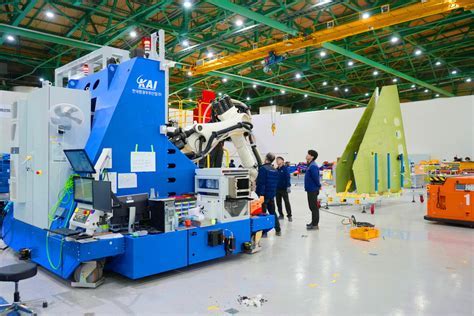
Discussions have also included the possible establishment of a maintenance, repair, and overhaul (MRO) hub in the Philippines—likely at Clark Air Base. The scale of this infrastructure would be contingent on order size, but it could anchor a regional support center, generating technical jobs and reducing long-term operational costs.
A Regional Context of Growing Competition
Across Southeast Asia, air force modernization is intensifying. Thailand is reevaluating the reliability of Chinese-supplied VT-4 tanks, while Bangladesh is in talks to acquire JF-17 fighters from Pakistan. Meanwhile, China’s J-35A stealth fighter has entered limited production. Against this backdrop, the Philippines’ investment in the KF-21 reflects an effort to:
- Establish a credible multirole deterrent
- Align with technologically reliable partners
- Mitigate logistical fragmentation across its future fleet
Moreover, regional tensions in the South China Sea, along with evolving threats in the air and maritime domains, make the acquisition of an agile and network-centric platform like the KF-21 more than a prestige project—it’s a strategic necessity.
Final Decision Still Pending
Although the request for delivery slots is a significant step forward, the final acquisition decision remains pending. The Philippines continues to weigh the full cost, delivery guarantees, and long-term sustainment terms alongside offers from other manufacturers. Yet the combination of proven industrial partnership, operational familiarity, and accelerated timelines positions the KF-21 as a frontrunner.
In a world of rapidly closing production windows and escalating regional threats, the Philippines’ proactive approach could be the key to fielding a next-generation capability before the decade ends. The countdown has begun.