The Phoenix Fire Department has taken a bold technological leap forward with the introduction of its latest emergency response asset — the ‘Drone One’ Unit, a specially designed vehicle dedicated to launching drones swiftly during critical incidents. This strategic upgrade is reshaping how first responders manage fires, rescues, and hazardous situations across the sprawling city.
For years, Phoenix Fire’s drone operations relied on improvised setups. Crews squeezed equipment into a reserve Ford F-250, sharing space with batteries, chargers, and essential gear. The limitations of this setup became increasingly apparent as drone technology evolved and demand for rapid deployment surged.
“We were making do with what we had,” remarked Fire Captain Kenny Overton, reflecting on the constraints of their former system.
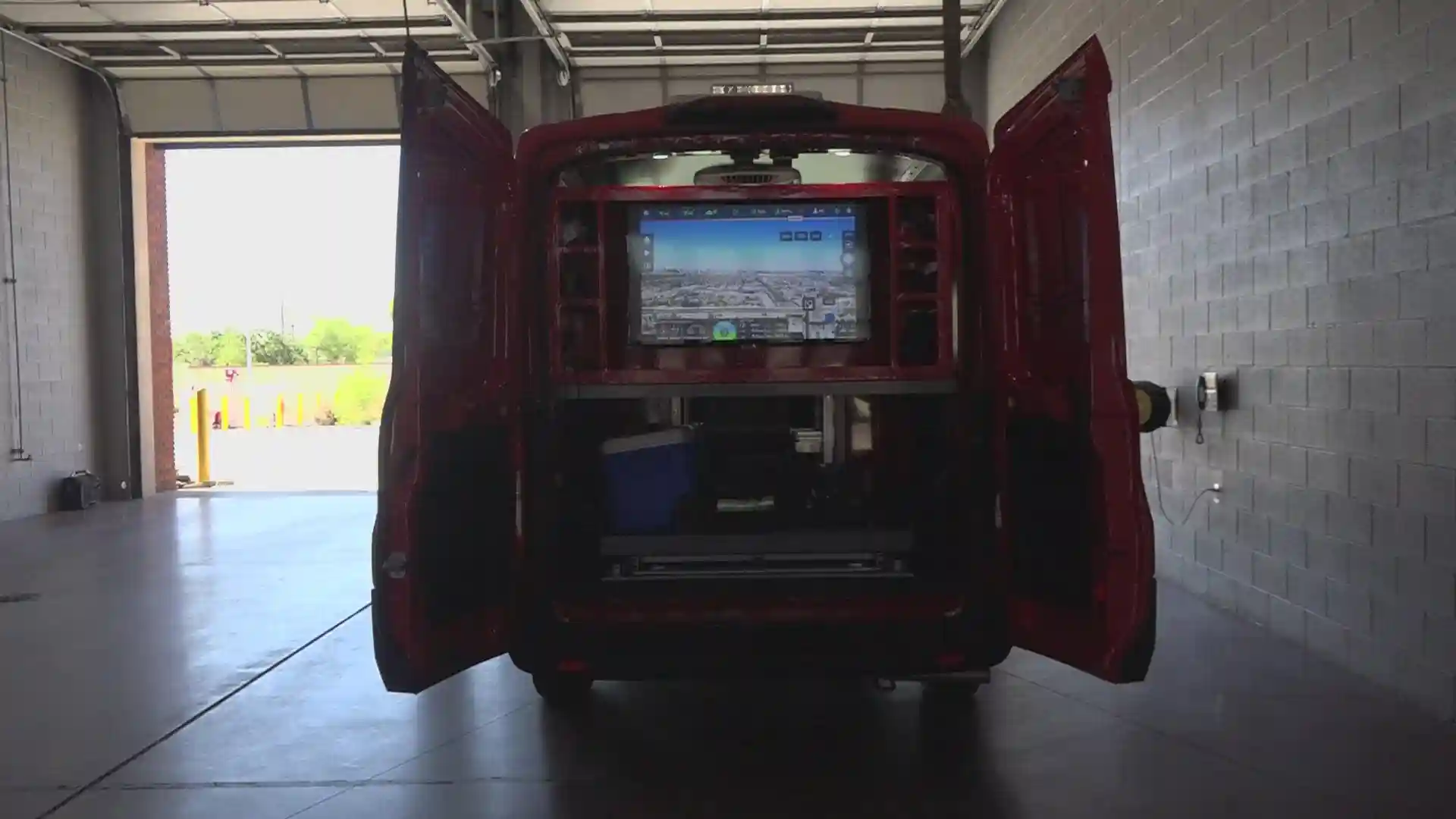
Inside Drone One: A Purpose-Built Mobile Drone Command Center
Now stationed at Fire Station 61, the new Drone One vehicle represents a purpose-built mobile command center designed to get drones airborne in under a minute during emergencies. Outfitted with state-of-the-art equipment, the van streamlines operations and enhances real-time decision-making for firefighting crews.
Inside Drone One, crews monitor live aerial feeds on flat-screen displays, giving incident commanders unparalleled situational awareness. Video streams are also transmitted to battalion chiefs’ tablets, ensuring leaders across the scene access critical visuals regardless of their position.
Connectivity is paramount during fast-moving crises, which is why Drone One integrates Starlink internet, delivering reliable, high-speed communications even in remote or congested areas.
A Growing Drone Fleet Supporting Phoenix’s Emergency Missions
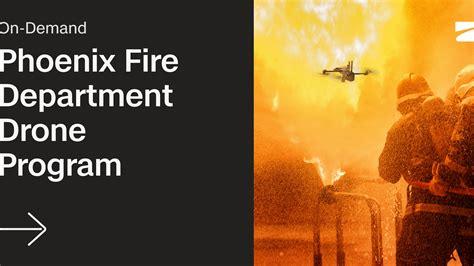
The Phoenix Fire Department’s drone program has experienced remarkable growth. Currently, the fleet includes nine drones piloted by ten trained operators. These assets flew 971 missions last year alone, logging over 146 hours of flight time.
These drones serve diverse roles, from aerial mapping to life-saving rescues. Specialized units equipped with thermal imaging cameras can see through smoke, pinpointing dangerous hot spots during structure fires. Other drones feature flotation device deployment systems, crucial for swift water rescues. Integrated speakers enable direct communication with individuals in distress, while compact drones can safely navigate hazardous materials zones or unstable structures.
“We respond to structure fires, mountain rescues, and reports of lost hikers,” explained Captain Overton. “We also use these for mapping,” he added, highlighting the multifaceted benefits of the aerial program.
Real-World Impact: Drone One in Action on Camelback Mountain
The capabilities of Drone One were showcased during a recent emergency involving a 63-year-old woman suffering from heat-related illness on Camelback Mountain, one of Phoenix’s most popular and challenging hiking spots.
“We launched our drone and were able to locate the patient very quickly based on coordinates,” Overton recalled. “We radioed that information to command, allowing technical rescue teams to reach her swiftly.”
The rescue operation lasted approximately one hour, concluding with the woman safely walking down the mountain under medical supervision.
Such efficiency underscores Drone One’s vital role in enhancing response times, particularly during time-sensitive mountain rescues where locating patients can be challenging under the scorching Arizona sun.
Revolutionizing Firefighting Through Innovation
The deployment of Drone One reflects the broader evolution of firefighting practices in Phoenix, blending tradition with cutting-edge tools.
“I’ve been on the job for 20 years,” said Overton. “Twenty years ago, I thought I’d just be pulling hose lines into burning buildings. Now, I fly drones to deliver critical information to our crews.”
The department sees Drone One not as a replacement for human expertise but as a force multiplier. “Our people are outstanding at what they do,” Overton emphasized. “This is just another tool in the toolbox to make them even more effective.”
Enhancing Safety for Firefighters and the Community
At its core, Drone One is designed to keep firefighters safer while delivering rapid intelligence during complex emergencies. Aerial perspectives enable commanders to assess structural integrity, locate victims, and map hazardous environments without exposing crews to unnecessary risk.
The live video capabilities also empower remote command staff to make informed, real-time decisions, potentially reducing property damage, preventing injuries, and saving lives.
Phoenix, like many growing cities, faces diverse emergency scenarios ranging from high-rise fires to remote desert rescues. The department’s investment in drone technology reflects its commitment to proactive, data-driven responses in these evolving environments.
The Future of Emergency Response: Drone One Sets a New Standard
The arrival of Drone One is not merely a vehicle upgrade; it marks a transformative step in how urban fire departments approach modern challenges. By integrating drones into daily operations, Phoenix Fire positions itself at the forefront of technological advancement within public safety.
The benefits are already evident:
- Rapid Aerial Deployment: Drones airborne in under 60 seconds drastically improve response times.
- Thermal and Visual Surveillance: Real-time imagery enhances scene assessments.
- Improved Rescues: Quick location of lost or injured individuals in rugged terrain.
- Hazmat Reconnaissance: Drones reduce risks during hazardous material incidents.
- Enhanced Communication: Starlink ensures connectivity in critical moments.
These capabilities contribute to safeguarding both the community and the firefighters themselves.
Building on a Legacy of Excellence
Phoenix Fire Department has a storied history of innovation, and Drone One adds to that legacy. As the city grows and climate challenges intensify — particularly the rising threat of extreme heat — such technological advancements become indispensable.
The department’s leadership remains committed to evolving alongside emerging threats, ensuring that Phoenix residents receive the most effective, rapid, and safe emergency responses possible.
Captain Overton summed up the sentiment: “It’s all about giving our crews the best tools and keeping everyone safe. Technology like this lets us do both.”
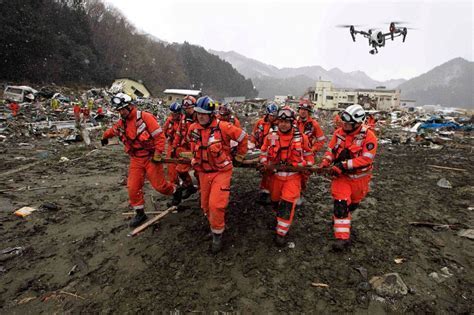
The Drone One vehicle’s introduction is more than a milestone; it’s a testament to how forward-thinking strategies, coupled with cutting-edge technology, are reshaping emergency response for the better in the Valley of the Sun.