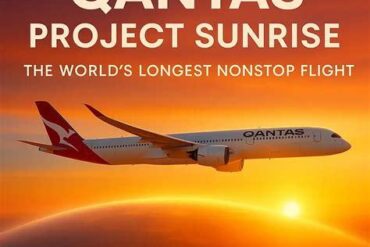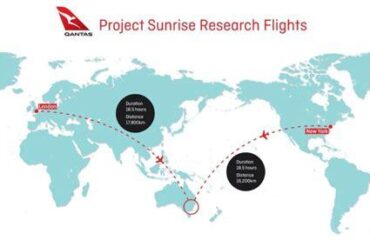
In the realm of commercial aviation, Project Sunrise stands as one of the most ambitious undertakings of the 21st century. Spearheaded by Qantas Airways, this bold initiative aims to establish non-stop, ultra-long-haul flights connecting Sydney, Melbourne, and Brisbane with major global cities such as London, Paris, and New York. By eliminating stopovers, Project Sunrise seeks to redefine long-distance air travel, delivering unprecedented levels of convenience and passenger comfort.
The concept is not merely about breaking distance records but also about transforming the passenger experience on flights that can span nearly 20 hours. With its first commercial flights expected by 2026, Project Sunrise represents a significant leap forward in aviation technology, fuel efficiency, and cabin comfort.
The Origins and Motivation Behind Project Sunrise
The roots of Project Sunrise trace back to Qantas’ long-standing desire to directly connect Australia’s east coast with the world’s most influential financial and cultural hubs. Historically, these routes have required layovers in cities like Singapore, Dubai, or Los Angeles, adding hours to already lengthy journeys. The motivation behind this ambitious endeavor is clear – to capture the premium travel market by offering time-saving, non-stop routes, a critical factor for business travelers and affluent passengers.
The project draws its name from the World War II ‘Double Sunrise’ flights, operated by Qantas’ Catalina flying boats, which connected Australia with Ceylon (now Sri Lanka) over the Indian Ocean, taking more than 30 hours. These flights, named for the two sunrises seen during the journey, hold a special place in aviation history as some of the longest commercial operations ever attempted at the time.
Technological Innovations and Aircraft Selection
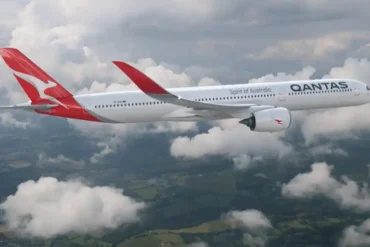
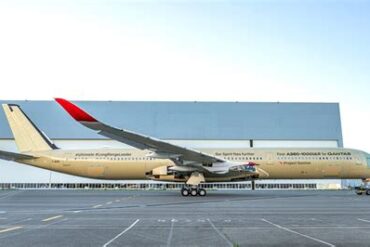
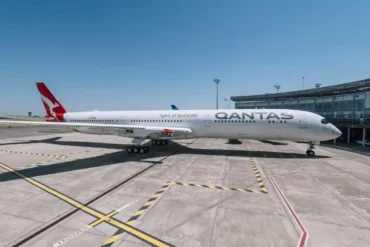
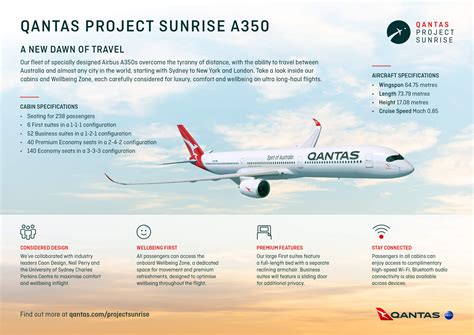
Central to Project Sunrise is the selection of the right aircraft – a machine capable of covering distances of up to 9,500 nautical miles (17,650 kilometers) non-stop while ensuring passenger comfort and operational efficiency. After extensive evaluation, Qantas chose the Airbus A350-1000 as the backbone of this initiative. This choice was driven by the aircraft’s impressive range, fuel efficiency, and advanced cabin technology.
Key features of the A350-1000 selected for Project Sunrise include:
- Extended Range: Capable of flying up to 21 hours non-stop.
- Fuel Efficiency: Equipped with Rolls-Royce Trent XWB engines, among the most efficient in the world.
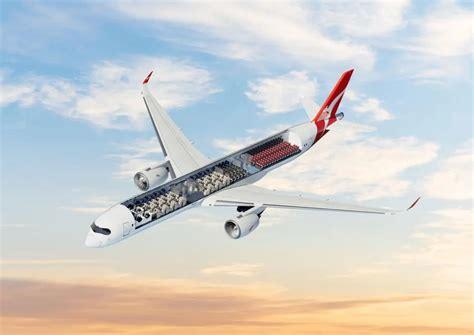
- Spacious Cabins: Wider fuselage for increased passenger comfort.
- Lower Cabin Altitude: Enhanced air quality and reduced fatigue.
Passenger Comfort and In-Flight Experience
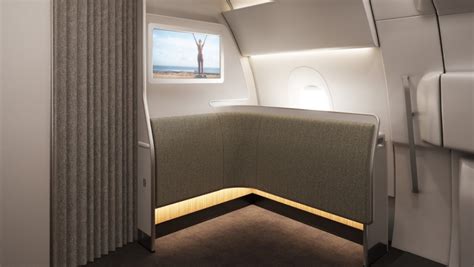
To make ultra-long-haul flights more bearable, Qantas has placed a strong emphasis on passenger well-being. The aircraft cabins will feature innovations designed to reduce jet lag, improve sleep quality, and provide a more enjoyable journey. Key enhancements include:
- Specially Designed Seating: Spacious, ergonomic seating with greater legroom, including premium economy and business class suites with fully lie-flat beds.
- Wellness Zones: Dedicated areas for stretching and light exercise.
- Customized Lighting Systems: Dynamic lighting to help align passengers’ body clocks.
- Personalized Dining Experiences: Menus designed with nutritionists to support well-being on long journeys.
Overcoming Operational and Technical Challenges
While the benefits are clear, Project Sunrise has faced numerous technical and logistical hurdles. These include the need for:
- Ultra-Long-Range Fuel Efficiency: The A350-1000 needed modifications to carry additional fuel without compromising range or performance.
- Crew Fatigue Management: Extended flight hours require new approaches to crew rest and rotation.
- Regulatory Approvals: Securing the necessary permissions from aviation authorities across multiple jurisdictions.
- Environmental Impact Mitigation: Qantas aims for carbon neutrality by 2050, making fuel efficiency and sustainable operations critical to the project’s viability.

Market Impact and Future Prospects
Project Sunrise is poised to reshape global air travel, particularly in the premium market segment. By eliminating stopovers, Qantas can capture a larger share of high-value business travel, a critical revenue stream for airlines. Additionally, the project could set new benchmarks for passenger comfort and operational efficiency, pushing other airlines to innovate or risk falling behind.
As the aviation industry continues to recover from the COVID-19 pandemic, the timing of Project Sunrise aligns well with the expected resurgence in international travel demand. If successful, this initiative could cement Qantas’ reputation as a global leader in ultra-long-haul air travel.
Conclusion
Project Sunrise represents a bold vision for the future of air travel, combining cutting-edge technology with a commitment to passenger comfort and environmental sustainability. As the world awaits its first non-stop commercial flights from Australia to Europe and North America, Qantas stands ready to redefine the possibilities of long-haul aviation, once again pushing the boundaries of what is possible in the skies.