Flight booking has undergone tremendous transformation over the past decade, with various search engines emerging to meet the needs of a more tech-savvy and time-conscious traveler. One name that stood out during its prime was Hipmunk, a flight search engine that introduced an innovative approach to the way we find and compare flights. Unfortunately, since Hipmunk’s shutdown, travelers have been searching for alternatives that offer similar features and user experience. In this article, we explore the rise and fall of Hipmunk, what made it unique, and which flight search engines today offer comparable features that continue to shape the industry.
The Rise of Hipmunk: Revolutionizing the Flight Search Experience
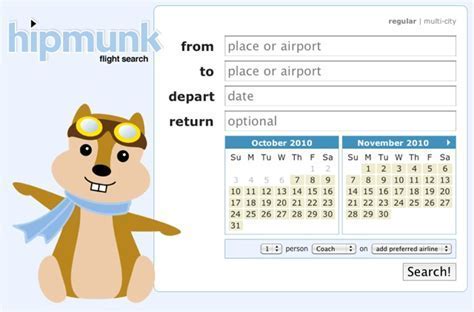
Hipmunk made its mark on the travel tech scene by offering something unique—an easy-to-use interface combined with powerful algorithms that made booking flights a more intuitive and user-friendly experience. Prior to Hipmunk’s launch, users would typically search for flights on multiple sites to compare prices, schedules, and other variables. Hipmunk consolidated this information into a single, easy-to-navigate interface.
One of Hipmunk’s most distinguishing features was its “Agony” bar. Unlike traditional flight search engines that simply displayed options in a list or table, Hipmunk used a visual representation of the “agony” of each flight. This was a combination of price, flight duration, and the number of stops. This allowed users to immediately gauge the most suitable flight based on their individual preferences. For example, travelers could see a flight with a short duration, but higher price, as more agonizing than one with a longer travel time but lower price. It was a revolutionary way of visualizing flight options and provided unparalleled convenience.
However, as the years went by, other platforms began to catch up with Hipmunk’s innovations, and its standing among flight search engines began to wane.
The Closure of Hipmunk: What Happened?
Despite its unique appeal and dedicated user base, Hipmunk officially shut down in 2020. The closure came as a surprise to many, especially considering the platform’s popularity and the user loyalty it had cultivated over the years. While there were no clear, singular reasons for the shutdown, it can be speculated that a combination of factors, including increased competition, lack of consistent funding, and changes in the travel industry, contributed to its demise.
One significant challenge that Hipmunk faced in its later years was the increasing dominance of Google Flights. Google’s vast resources and robust search algorithm made it a formidable competitor, offering users a similar experience with even more extensive data. With Google Flights leading the market, smaller players like Hipmunk struggled to maintain their relevance, eventually becoming overshadowed by the tech giant.
Moreover, skyscanner, Kayak, and other established flight search engines improved their user interfaces and added functionalities similar to those of Hipmunk, making it difficult for Hipmunk to stay ahead of the curve. User habits also shifted over time. Travelers began relying more on mobile apps and integrating flight search into comprehensive trip-planning tools, further eroding Hipmunk’s distinctiveness.
What Are the Best Alternatives to Hipmunk Today?
Even though Hipmunk may no longer be in operation, the need for an intuitive and visually-driven flight search experience persists. Fortunately, several other platforms have risen to fill the gap left by Hipmunk’s closure, offering similar features, functionalities, and user experiences. Below are some of the best options for travelers looking for flight search tools that emphasize ease of use, flexibility, and efficiency.
Google Flights
Google Flights continues to dominate the flight search engine landscape, offering powerful search capabilities that allow users to filter flights by factors like price, duration, airline, and even carbon emissions. Google’s comprehensive flight map and calendar views provide travelers with a visual representation of flight options, mimicking the “agony” bar that was so loved by Hipmunk users.
Unlike traditional flight search engines, Google Flights integrates a sleek timeline feature, which can be compared to Hipmunk’s innovative approach to visualizing flight results. This allows users to quickly assess multiple options, switching between different modes of travel and adjusting filters in real-time. Google’s constant updates, real-time flight tracking, and integration with Google’s other services (such as Google Pay) give it an edge in the market.
However, while Google Flights excels in many areas, it still falls short in some of the more refined features that Hipmunk once offered, such as the easy-to-understand agony bar.
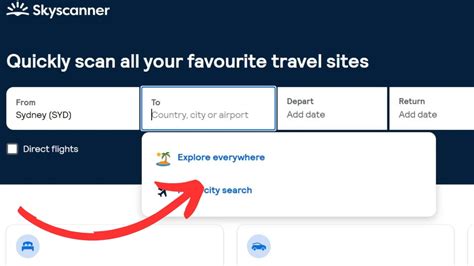
Skyscanner
Skyscanner is another popular alternative, known for its flexibility and user-friendly interface. While it may not replicate Hipmunk’s agony bar, Skyscanner allows users to view results in a variety of formats, including a timeline view, which is a similar feature to what Hipmunk used to provide. This feature enables travelers to see their flight choices laid out over a time range, making it easier to find flights that fit their schedules.
One of the standout features of Skyscanner is its integration with budget airlines and low-cost carriers, giving users access to a broad range of flight options at competitive prices. Additionally, Skyscanner’s price alerts and flexible search options make it an excellent choice for users looking for affordable flights across multiple routes.
ITA Matrix
For travelers who need a highly detailed and professional flight search tool, ITA Matrix is a great option. Developed by the same team behind Google Flights, ITA Matrix offers a comprehensive search engine for finding complex flight itineraries. The system allows for detailed adjustments, including multi-leg flights, specific airlines, and flexible dates.
While ITA Matrix may not have the intuitive timeline view like Hipmunk, it provides the most in-depth flight data available on the market. The platform’s search customization features are unmatched, making it the go-to tool for experienced travelers, airline professionals, and travel agents. ITA Matrix remains one of the most powerful flight search engines for those looking for precision and control.
Momondo
Another great option for those looking for a visually appealing flight search experience is Momondo. Known for its colorful interface and innovative approach to flight search, Momondo aggregates results from hundreds of airlines and online travel agents, providing users with a wide range of flight options.
Momondo’s flexible search filters and visual timeline are useful for travelers looking to compare flights quickly and efficiently. Additionally, the platform allows users to filter results by criteria such as airline alliances, eco-friendly options, and baggage policies, offering a level of personalization that makes it a popular choice among frequent travelers.
Conclusion: Looking Toward the Future of Flight Search Engines
While Hipmunk is no longer around to simplify the flight search process with its groundbreaking agony bar, the core idea of visualizing flight data remains very much alive in today’s flight search engines. Whether it’s Google Flights, Skyscanner, ITA Matrix, or Momondo, travelers now have access to powerful tools that make it easier than ever to book flights that fit their needs. As the travel industry continues to evolve, it will be interesting to see how these platforms adapt and innovate to meet the demands of an increasingly sophisticated audience.
The future of flight search is about speed, efficiency, and user-centric designs, and it’s clear that the legacy of Hipmunk lives on in the tools that continue to shape the industry today.