The growing electronic warfare shadow over Europe intensified dramatically after a Royal Air Force aircraft carrying UK Defence Secretary John Healey reportedly lost GPS capability for the entirety of its return journey from Estonia to Britain. The disruption, widely attributed to Russian GPS jamming operations near the Baltic region, has renewed alarm inside NATO over the increasing aggressiveness of modern electronic attacks targeting military and diplomatic aviation.
The incident unfolded on May 21 during Healey’s official visit to Estonia, where the British defence chief had met Estonian Defence Minister Hanno Peukkur and British troops stationed in the region. While diplomatic visits between NATO allies have become routine since Russia’s invasion of Ukraine, the skies surrounding the Baltic Sea have become anything but routine. Aircraft operating near Kaliningrad and Russia’s western borders increasingly encounter invisible but highly disruptive electronic interference capable of crippling navigation systems mid-flight.
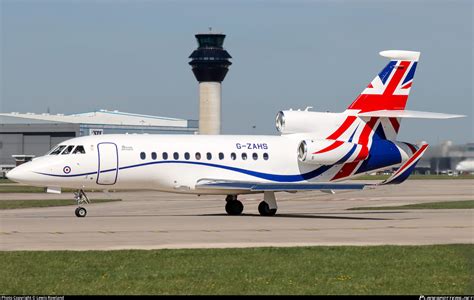
According to reports surrounding the flight, the RAF Dassault Falcon 900LX carrying Healey experienced sustained GPS denial while traveling back to the United Kingdom. The disruption reportedly persisted throughout the entire journey, forcing pilots to rely on backup navigation procedures while onboard internet and WiFi services simultaneously failed.
The aircraft involved, registration G-ZABH, belongs to the Royal Air Force and operates under the Envoy IV CC.1 designation. Although used for government and diplomatic transport, the aircraft lacks the advanced electronic warfare protections commonly installed on frontline military platforms.
Russian Electronic Warfare Expands Across The Baltic Region
The Baltic region has rapidly evolved into one of the world’s most heavily contested electronic warfare environments. GPS interference incidents have surged since the outbreak of the war in Ukraine, with NATO members repeatedly accusing Russia of using sophisticated jamming systems to disrupt satellite navigation signals across Eastern Europe.
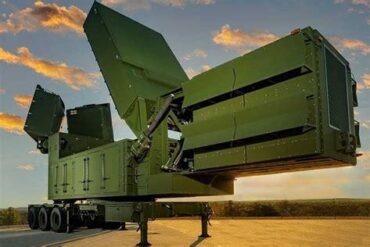
Kaliningrad, the heavily militarized Russian exclave positioned between Poland and Lithuania, has become a focal point for these accusations. The enclave hosts extensive Russian radar installations, missile batteries, and electronic warfare assets capable of projecting interference across large portions of Northern Europe.
British officials reportedly described the latest interference against Healey’s aircraft as “reckless Russian interference,” a phrase reflecting growing frustration among NATO governments. While the exact intent behind the disruption remains unclear, aviation experts note that GPS jamming near sensitive military corridors is rarely accidental.
Modern aircraft rely heavily on satellite navigation for route management, timing synchronization, terrain awareness, and communications support. Even when pilots can safely transition to backup navigation systems, prolonged GPS denial significantly increases operational complexity.
The implications extend well beyond a single diplomatic flight. Sustained interference in civilian air corridors raises the risk of navigational confusion, communication degradation, and broader aviation safety concerns affecting both military and commercial traffic.
RAF Jet Forced To Use Alternative Navigation Systems
Passengers onboard the RAF Falcon reportedly received assurances that the aircraft remained safe despite the loss of GPS capability. Pilots conducted risk assessments and transitioned to alternative navigation methods designed for precisely these kinds of scenarios.
Still, the event exposed a vulnerability that critics have warned about for years.
The Falcon 900LX used by the RAF was acquired in 2022 and configured primarily as a transport aircraft rather than a hardened military command platform. Unlike specialized military aircraft operating near hostile territory, the Envoy IV lacks extensive self-protection systems or advanced electronic countermeasure suites.
That decision has faced renewed scrutiny after multiple British government flights encountered similar interference near Russian territory in recent years. Former Defence Secretary Grant Shapps reportedly experienced GPS disruption during another diplomatic journey near Kaliningrad, raising questions over whether VIP aircraft are becoming recurring targets for Russian electronic probing.
The Falcon’s crew ultimately completed the flight safely using traditional navigation procedures and redundant onboard systems. Aviation professionals emphasize that commercial and military pilots train extensively for satellite navigation failures, though few modern flights expect to encounter such persistent jamming across an entire international route.
The simultaneous collapse of onboard WiFi and internet services strongly suggests a broad electronic interference environment rather than a simple technical malfunction. Aircraft connectivity systems frequently rely on satellite-based infrastructure tied directly to navigation networks.
Europe’s Growing GNSS Interference Crisis
The incident involving Healey’s aircraft fits into a wider European pattern identified by the European Union Aviation Safety Agency (EASA). The agency has repeatedly warned airlines and governments about sustained Global Navigation Satellite System interference across several geopolitical hotspots.
Four major regions have emerged as persistent danger zones:
- The Baltic Sea region and areas surrounding Kaliningrad
- Eastern Finland near the Russian border
- Portions of the Black Sea
- The eastern Mediterranean
These disruptions range from mild signal degradation to full GPS denial events capable of affecting aircraft navigation, maritime shipping, and civilian communications infrastructure.
Several high-profile European officials have already experienced similar incidents. Aircraft carrying European Commission President Ursula von der Leyen and Spanish Defence Minister Margarita Robles reportedly encountered GPS interruptions while flying through Baltic airspace.
The repeated nature of these incidents increasingly points toward deliberate state-level electronic warfare activity rather than isolated technical anomalies.
Why GPS Jamming Has Become A Powerful Modern Weapon
Electronic warfare has become one of the defining battlegrounds of modern geopolitical conflict. Unlike missiles or fighter jets, GPS jamming operations allow states to project power invisibly, creating disruption without directly crossing into conventional military confrontation.
Russia possesses some of the world’s most advanced electronic warfare capabilities, developed extensively over the past two decades. Systems designed to jam, spoof, or manipulate satellite signals have played a major role in Russian military operations across Syria, Ukraine, and the Arctic.
Spoofing operations can even trick navigation systems into displaying false locations or incorrect routes. In aviation, that creates potentially dangerous conditions if pilots or systems fail to recognize corrupted signals quickly enough.
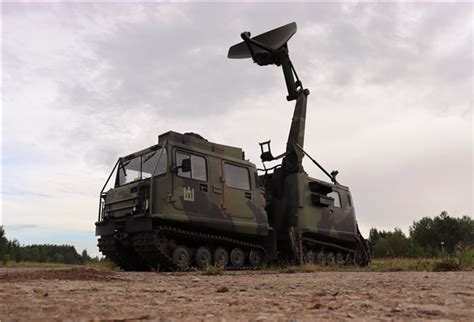
The Baltic Sea region has effectively become a live testing ground for these technologies. NATO aircraft, commercial airlines, naval vessels, and diplomatic missions increasingly operate under the threat of invisible electronic disruption.
For Western governments, the challenge is no longer theoretical. The blackout affecting the UK Defence Secretary’s aircraft demonstrated how electronic warfare can intrude directly into routine diplomatic operations, even during peacetime flights through European airspace.
As tensions between Russia and NATO continue escalating, incidents involving GPS denial and electronic interference are expected to become more frequent, more sophisticated, and potentially far more dangerous.