In the annals of covert military operations, Storm 333 stands as a chilling precedent of state-sponsored decapitation strikes—a brutal, concise, and meticulously executed assault that reverberated through the Cold War corridors of power. While the world gasped at the lightning-fast capture of Venezuelan President Nicolás Maduro during Operation Absolute Resolve by U.S. Delta Force in 2026, echoes of this tactic trace back to December 27, 1979, when the Soviet Union stormed the Tajbeg Palace in Kabul, eliminating Afghan President Hafizullah Amin.
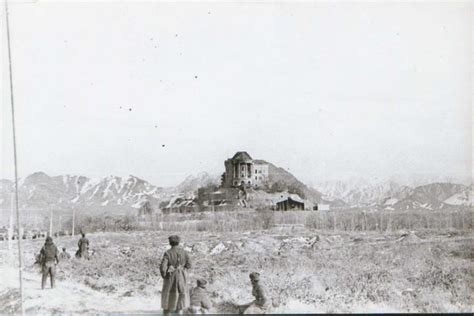
The Great Game Reimagined: Cold War Chessboard in Kabul
The Soviet invasion of Afghanistan didn’t arise in a vacuum. It was the continuation of centuries-old imperial anxieties that defined the “Great Game” between Tsarist Russia and the British Empire. Afghanistan, straddling South and Central Asia, remained the pivotal buffer state—strategically indispensable, yet chronically unstable.
In the modern era, these old power plays mutated into Cold War maneuvers. When the People’s Democratic Party of Afghanistan (PDPA) seized power in the 1978 Saur Revolution, the Soviets saw an opportunity to anchor their influence. But the rise of Hafizullah Amin, following the suspicious death of his predecessor Nur Muhammad Taraki, alarmed Moscow.
The KGB suspected Amin of Western leanings, a cardinal sin amid the ideological rigidity of the Cold War. His aggressive purges, deteriorating internal control, and alleged contact with U.S. operatives made him a liability. The Kremlin opted for swift regime replacement through the sharp edge of a Spetsnaz blade.
Planning Storm 333: Soviet Precision at its Ruthless Best
The plan for Operation Storm-333 was nothing short of audacious. The Soviets didn’t just want to remove Amin—they intended to annihilate his command structure and surgically implant a pro-Moscow regime headed by Babrak Karmal. The strategy bore eerie similarity to what modern military analysts now describe as decapitation doctrine.
Amin’s fortress, the Tajbeg Palace, stood atop a hill and was an architectural and military monolith. Protected by:
- Over 2,000 elite troops and 200 personal guards
- Extensive minefields, machine gun nests, and RPG squads
- Tanks and air defense systems deployed around the periphery
To breach this behemoth, the Soviets assembled an elite force:
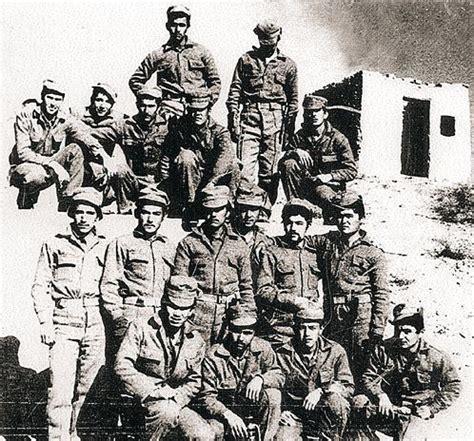
- 25 Alpha Group commandos
- 30 KGB Zenith Group operators
- 87 paratroopers from the 345th Independent Guards Airborne Regiment
- 520 soldiers from the 154th Spetsnaz Detachment, known as the “Muslim Battalion”
This multi-ethnic composition, particularly from southern Soviet republics, was calculated to blend in with the local Afghan terrain and population—another reflection of surgical operational design.
The Assault: From Helicopters to Hand Grenades
The assault commenced as Soviet troops crossed the Amu Darya River, encircling Kabul with eerie efficiency. At sunset on December 27, they launched the final assault.
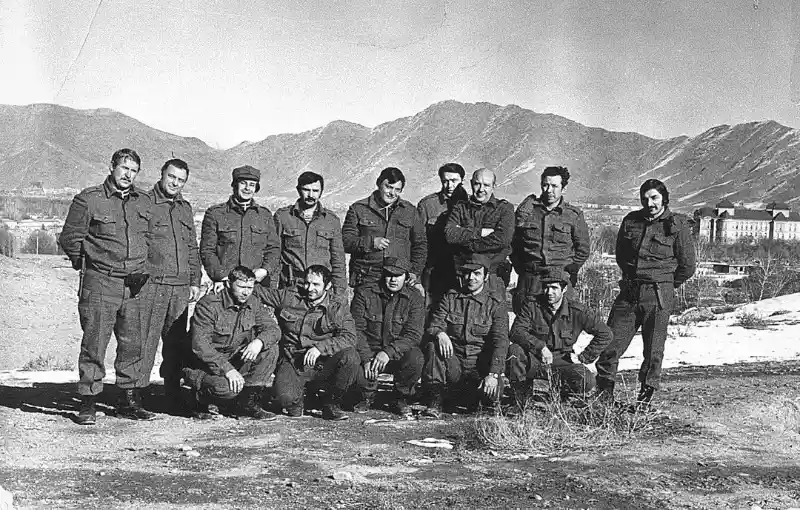
Afghan guards offered stiff resistance, inflicting damage on Soviet BMP armored vehicles, forcing soldiers to advance on foot under withering fire. Each corridor in Tajbeg became a kill zone, each room a death trap. But room by room, the Soviets prevailed.
Amin was captured during the chaos, only to be executed shortly after. His two sons succumbed to shrapnel wounds. His wife and daughter were gravely injured but survived. Approximately 347 Afghans, including 30 personal guards, perished in the palace.
Simultaneously, Soviet forces seized 20 other strategic sites in Kabul, including the Interior Ministry, army HQ, and radio stations. By nightfall, Afghanistan was under Soviet control—or so it seemed.
Occupation and Quagmire: The Price of Overreach
Despite the surgical precision and momentary dominance, Storm 333 was not a terminal event—it was a gateway drug to a brutal, soul-crushing decade of insurgency.
The initial Soviet goal—to stabilize and leave—rapidly eroded. The regime under Babrak Karmal lacked legitimacy, and the Soviet presence fueled nationalist and religious backlash. What began as a one-hour strike spiraled into a 10-year war, with over 15,000 Soviet soldiers killed, untold civilian casualties, and staggering economic losses.
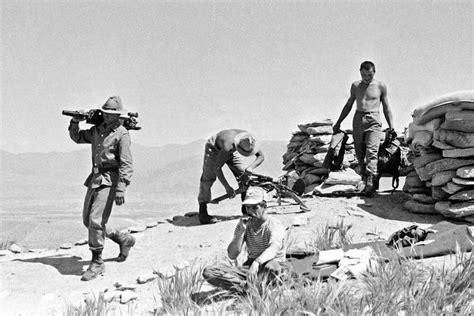
By 1989, humiliated and weakened, the Soviet Union withdrew, and within two years, it collapsed entirely. The operation that began with such clinical dominance indirectly contributed to the dissolution of one of the world’s two superpowers.
Operation Absolute Resolve: A Mirror From the Future
Fast-forward to January 3, 2026, and the world watched a disturbingly similar script unfold in Caracas, Venezuela. The U.S. launched Operation Absolute Resolve, deploying Delta Force, 160th SOAR, F-22 Raptors, F-35s, and stealth drones to execute a raid on President Nicolás Maduro’s compound near Fuerte Tiuna.
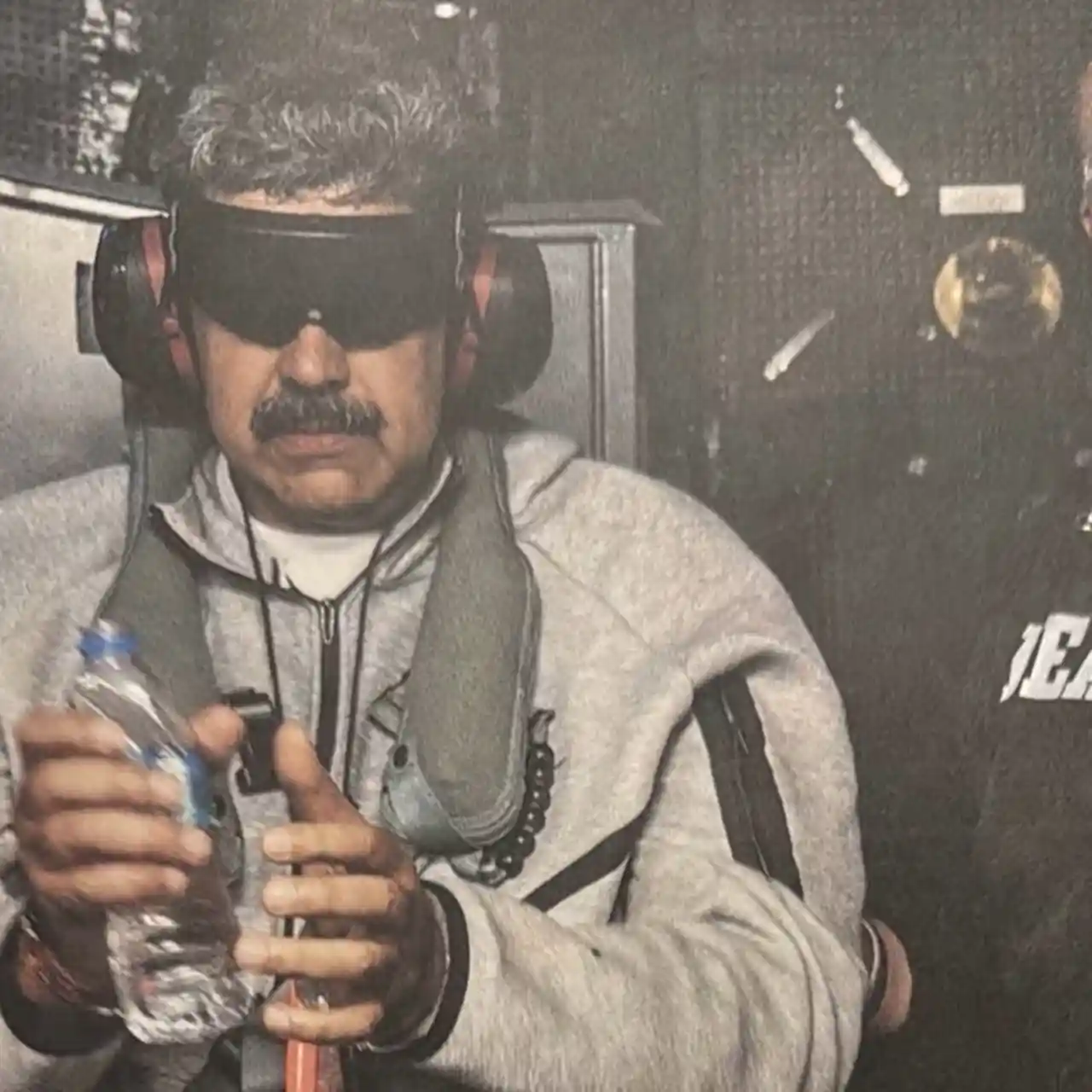
In just 30 minutes, Maduro and his wife were captured alive, Venezuelan air defenses neutralized, and the mission concluded without any U.S. casualties. The world, once again, was stunned by the speed and surgical force.
Yet the striking similarities with Storm 333 cannot be ignored:
- Elite special forces targeted a head of state in a fortified location
- The mission was short, but strategically transformative
- The legality was debated, but the military success undeniable
What remains uncertain, however, is whether the U.S. will avoid the second act of the Soviet tragedy.
Lessons Ignored Are Lessons Repeated
The Kremlin’s cardinal sin was overconfidence. They mistook a tactical win for a strategic triumph. Rather than exiting after Amin’s removal, the Soviet leadership tried to govern—to force a foreign model onto an unwilling populace through military power.
This gave birth to a hydra-headed insurgency that no airlift of Babrak Karmals could contain. In the end, it destroyed the very edifice of Soviet superpower status.
The U.S. administration, as of now, has refrained from replicating this overreach. Maduro is in custody. The rest of the Venezuelan regime remains untouched. But should the U.S. try to control, rebuild, or micromanage Venezuela, it may find itself walking in the boots of Soviet paratroopers—confident, powerful, but fatally out of place.
Conclusion: Storm 333’s Ghost in Caracas
Storm 333 was not just a military operation—it was a lesson wrapped in blood and fire, a warning echoing across decades. It demonstrated that elite commandos can win battles, but nations are not built by rifle barrels and night raids.
As history rhymes in Caracas, the ghost of Tajbeg Palace looms large. The real test of Operation Absolute Resolve isn’t its brilliant execution—but whether the U.S. has the strategic restraint to stop where the Soviets blundered forward.
A decapitation strike can open the door, but what follows determines whether it’s the corridor of power—or the abyss of war.