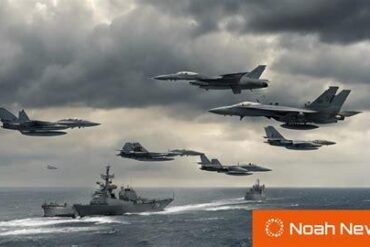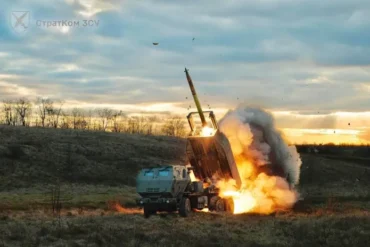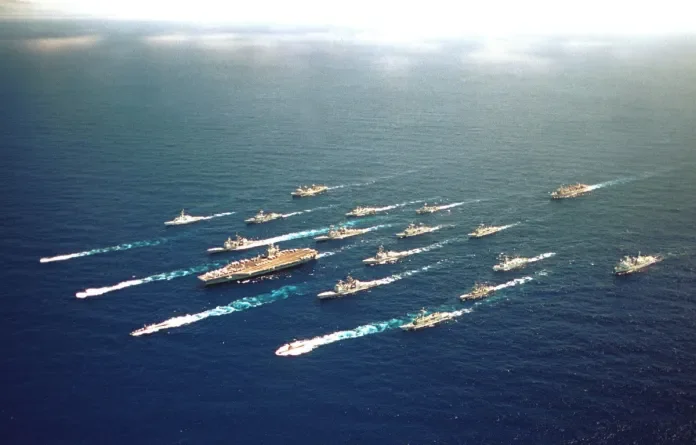
The geopolitical pressure in the Western Pacific has surged dramatically as two U.S. aircraft carriers operate in proximity to Taiwan, while Beijing conducts large-scale, live-fire military exercises aimed at simulating a blockade of the island nation.
U.S. Naval Forces Project Strength in the South and East China Seas
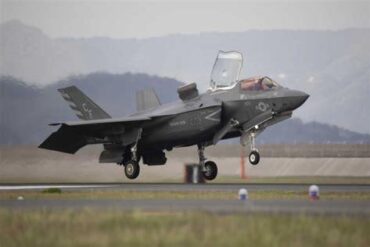
The USS Abraham Lincoln, a Nimitz-class aircraft carrier and flagship of its strike group, has transitioned into the South China Sea following operations in the Philippine Sea. After a brief stop at Naval Base Guam in mid-December, the carrier entered these contested waters, equipped with F-35C Lightning II stealth fighters from Marine Fighter Attack Squadron 314. Recent images from the U.S. Navy show these jets executing coordinated takeoffs, landings, and aerial refueling—highlighting the strike group’s operational endurance and combat readiness.
Meanwhile, the USS Tripoli, an America-class amphibious assault ship, was also active in the South China Sea earlier in December. Outfitted with F-35B STOVL jets and transporting elements of the 31st Marine Expeditionary Unit, Tripoli later moved to the East China Sea alongside support vessels such as the USS Robert Smalls (guided-missile cruiser) and USS Rafael Peralta (destroyer). As of December 29, Tripoli has docked at its homeport in Sasebo, Japan, for holidays and additional training.
Adding further depth to the U.S. presence is the USS George Washington, the only forward-deployed aircraft carrier permanently based in Yokosuka, Japan. Although currently pierside, its strategic location reinforces Washington’s commitment to safeguarding freedom of navigation in the Indo-Pacific.
China’s “Justice Mission 2025” Exercises Target Taiwan With Simulated Blockades
As the U.S. strengthens its naval footprint, China’s People’s Liberation Army (PLA) has launched a show of force that Taipei has labeled “reckless and highly provocative.” The two-day military exercise, dubbed “Justice Mission 2025”, simulates a blockade scenario around Taiwan’s strategic ports and maritime corridors.
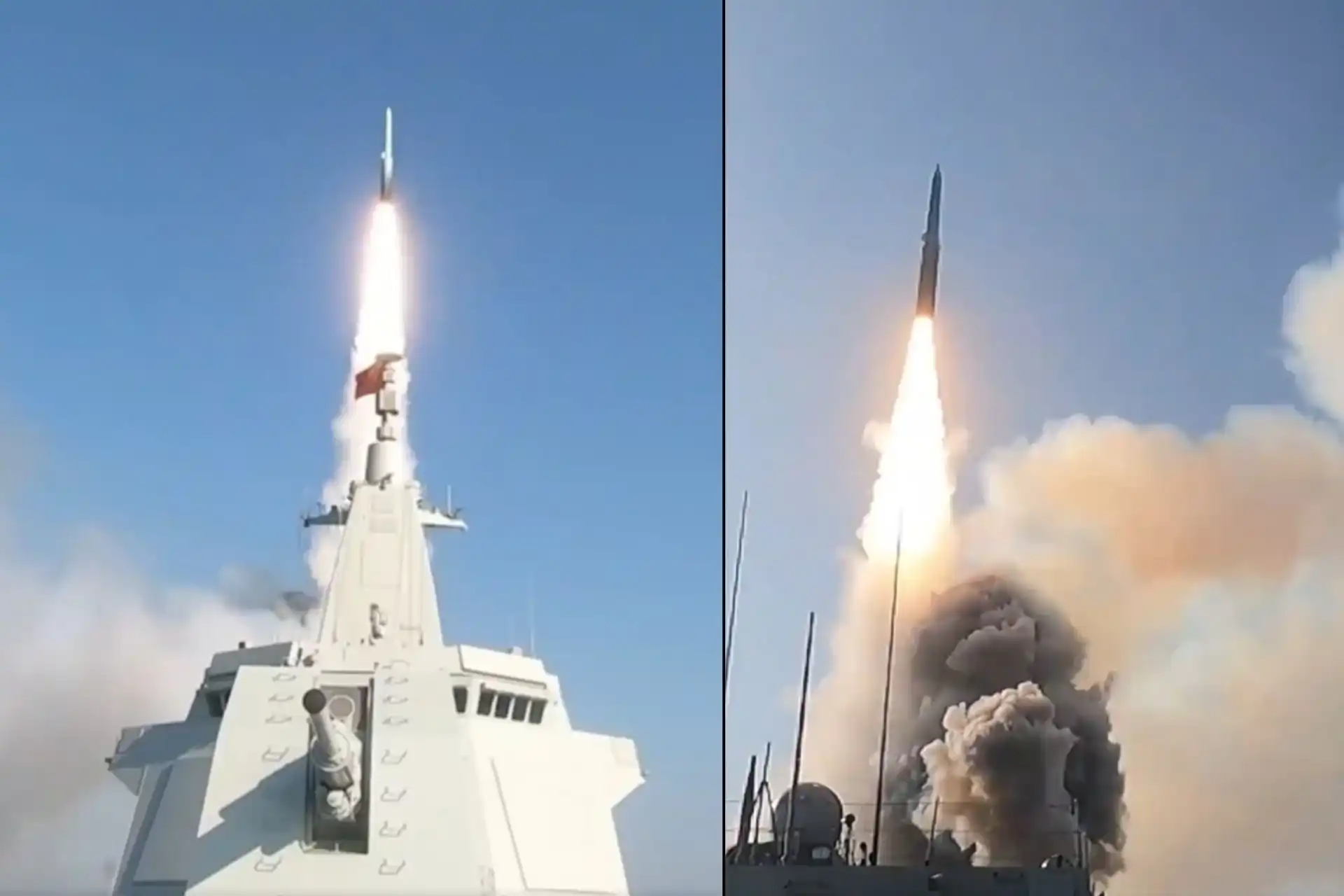
According to PLA Eastern Theater Command, the drills featured:
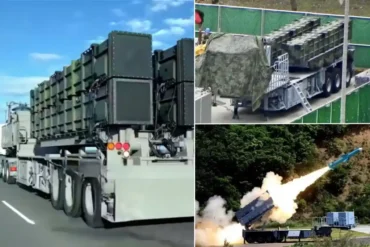
- Live missile launches, with at least 10 rockets fired in rapid succession, visibly shaking localities like Pingtan.
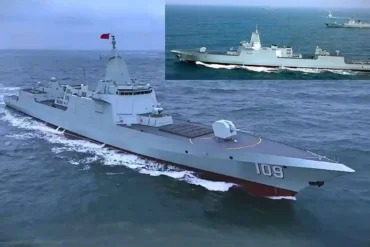
- The deployment of destroyers, frigates, bombers, and fighters for operations including target strikes, identification and expulsion drills, anti-air, and anti-submarine tactics.
China also released a tactical map outlining five military zones around Taiwan, some encroaching as close as 12 nautical miles to its coast. These zones, used for artillery and naval exercises, severely disrupted international shipping and aviation traffic, including over 850 international flights facing delays or rerouting.
Diplomatic Fallout: Arms Sales and Strategic Rhetoric Fuel Confrontation
The timing of these maneuvers comes on the heels of a fresh round of U.S. arms sales to Taiwan, sparking outrage in Beijing. Chinese Foreign Minister Wang Yi condemned these sales and vowed to “forcefully counter” what he termed as provocative moves that obstruct Chinese reunification ambitions.
His remarks were echoed in the state media, where PLA spokesman Shi Yi characterized the drills as a “stern warning” against Taiwanese separatist movements and international allies supporting them. The implication was clear: China is prepared to use force to defend its territorial claims.
Meanwhile, Japan’s Prime Minister issued a rare and bold statement, asserting that any hostile action against Taiwan could necessitate a military response from Tokyo, signaling increasing regional apprehension.
Taiwan Responds with Resolve and Restraint
While military tensions peaked, Taiwanese President Lai Ching-te used social media to reaffirm a non-escalatory posture, stating the government would not provoke or inflame the situation. However, Taiwan’s military was on high alert:
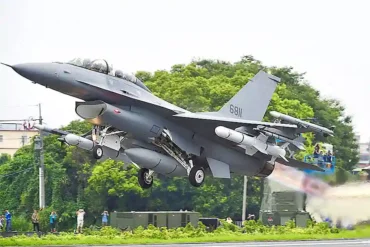
- 130 Chinese military aircraft were detected in a single 24-hour period.
- 14 Chinese navy ships and eight additional state vessels were monitored near the island.
- Taiwan’s coast guard launched 14 naval vessels using a “one-on-one shadowing” strategy to closely monitor PLA maneuvers.
Despite its measured tone, Taipei’s defense ministry called the exercises an egregious threat to regional security and sovereignty. The ministry warned of the risk of miscalculation or accidental escalation, especially in congested airspace and waters.
U.S. Military Doctrine in Action: Flexible and Layered Deterrence
The combined presence of the USS Abraham Lincoln, USS Tripoli, and the USS George Washington reflects a layered deterrence strategy that incorporates:
- Carrier-based fifth-generation fighters capable of long-range strike missions.
- Amphibious assault capabilities, enabling rapid deployment of Marines and equipment.
- A forward-deployed posture, ensuring swift response to any crisis in the Indo-Pacific.
This U.S. strategy aims to reassure allies, deter adversaries, and sustain open sea lanes essential to global trade. The use of F-35 stealth technology further amplifies Washington’s strategic leverage, allowing for multi-domain operational flexibility across maritime and aerial theaters.
Broader Implications for Global Security and Trade
The Western Pacific remains one of the most volatile flashpoints globally. With $5 trillion in trade flowing annually through the South China Sea, disruptions could send shockwaves through international supply chains. More critically, any direct confrontation between China and U.S.-aligned forces could cascade into a wider regional or even global conflict.
The situation is further complicated by:
- Political tensions in Washington over how far the U.S. should go in defending Taiwan.
- Domestic political pressures within China, where national pride is deeply tied to reunification rhetoric.
- The role of regional actors like Japan and the Philippines, both increasingly aligning with Washington’s Indo-Pacific strategy.
Outlook: Strategic Patience or Escalating Brinkmanship?
Though China’s war games officially concluded at 6:00 pm local time on December 30, the underlying tensions are far from resolved. With Washington’s naval assets demonstrating prolonged capability in contested waters and Beijing’s assertiveness growing in both rhetoric and reality, the specter of accidental conflict looms dangerously close.
Diplomatic backchannels and multilateral engagement forums may offer temporary pressure valves, but the core friction remains unresolved: Taiwan’s political status and the growing militarization of the Indo-Pacific.
Whether the next chapter involves negotiation, further escalation, or a new status quo, one fact is clear—the Western Pacific is now the frontline of 21st-century geopolitical rivalry.