We present a detailed examination of the 7 RAF Main Operating Bases in the UK, exploring the breadth of capabilities, strategic functions, and operational importance each site contributes to the nation’s defense posture. These bases form a unified architecture of air surveillance, combat readiness, mobility, maritime patrol, and rotary-wing power projection. Together, they anchor the UK’s air capabilities at home and across far-reaching international missions.
RAF Waddington in Lincolnshire stands as the primary hub of the United Kingdom’s intelligence, surveillance, target acquisition, and reconnaissance portfolio. The station hosts platforms such as the Boeing RC-135 Rivet Joint and previously the Raytheon Sentinel R1, each enabling deep electronic intelligence and wide-area surveillance essential to modern operations. Behind the flightline is an ecosystem of analysts and mission specialists who interpret a constant stream of data to support UK and NATO decision-making.
The base remains central to joint training, coalition interoperability, and multinational monitoring operations. Its role is not limited to airborne assets; Waddington functions as a technical and analytical command centre where intelligence shapes strategy long before aircraft taxi onto the runway. As global conflicts become more data-centric, Waddington’s significance grows, reinforcing the nation’s need for persistent situational awareness.
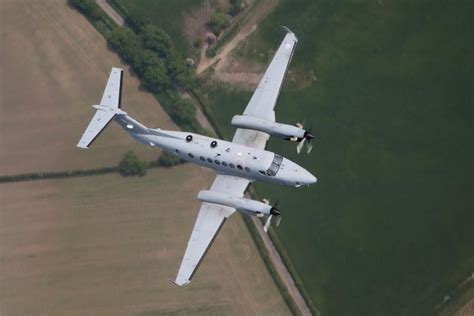
RAF Brize Norton: Air Mobility and Global Reach
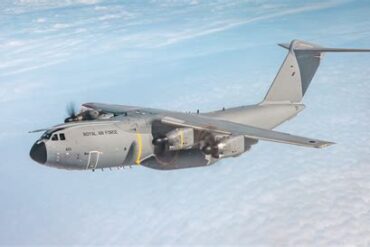
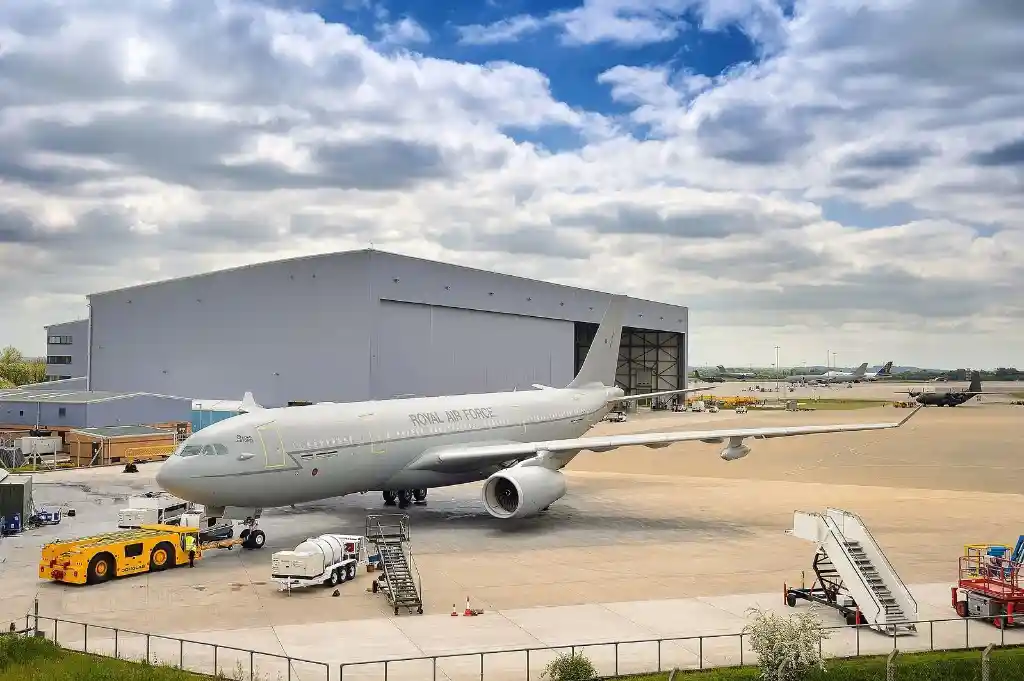
RAF Brize Norton in Oxfordshire operates as the RAF’s largest base and the home of the country’s strategic and tactical air mobility fleet. The station supports worldwide missions through aircraft such as the Airbus Voyager, the RAF’s sole air-to-air refueling platform, and the Airbus A400M Atlas, capable of rapid transport into contested or remote environments.
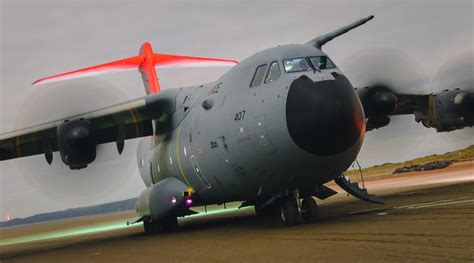
Brize Norton’s operational tempo is relentless. Missions vary from deploying troops into active theaters to transporting humanitarian aid after natural disasters. Through the Voyager’s tanker capability, Brize Norton extends the reach of the UK’s combat, surveillance, and training aircraft, enabling long-endurance missions across complex operational landscapes. Its position within Europe ensures seamless collaboration with NATO partners, strengthening strategic responsiveness.
RAF Benson and RAF Odiham: The Rotary-Wing Backbone
Rotary-wing strength for the Royal Air Force is concentrated across RAF Benson and RAF Odiham, forming a dual-base system supporting mobility, special operations, and crisis response. RAF Odiham in Hampshire is synonymous with the Boeing CH-47 Chinook, one of the world’s most trusted heavy-lift helicopters. Its ability to transport personnel, artillery, and essential cargo across rugged environments makes it indispensable on the modern battlefield.
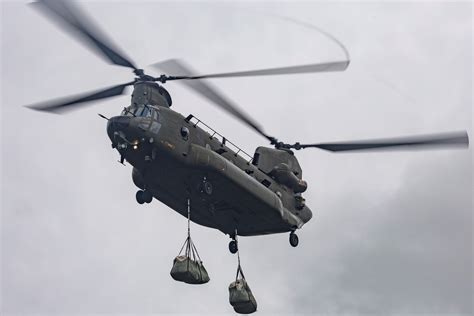
RAF Benson in Oxfordshire complements this with its fleet of Puma HC2 helicopters. These aircraft excel in tactical mobility, allowing swift insertion of teams and equipment where runways are nonexistent. Both bases work in synergy to provide critical support during domestic emergencies, disaster relief abroad, and multinational operations requiring agile lift capabilities.
These stations embody flexibility. Their aircraft and crews operate in desert heat, Arctic cold, and mountainous terrain, forming a reliable air bridge for British and allied forces wherever rapid movement is needed.
RAF Coningsby and RAF Marham: The Combat Air Nucleus
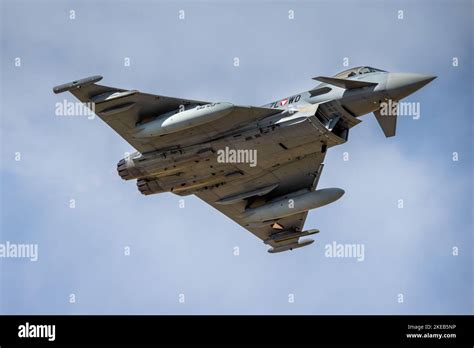
RAF Coningsby in Lincolnshire represents the frontline of UK air defense as the base of the Eurofighter Typhoon. The aircraft performs quick reaction alert duties, ensuring the sovereignty of British airspace by scrambling at a moment’s notice to intercept unidentified aircraft. Beyond defensive obligations, the Typhoon fleet supports precision strike, close air support, reconnaissance, and multinational training exercises that emphasize interoperability with allies.
RAF Marham in Norfolk serves as the home of the F-35B Lightning II, the UK’s fifth-generation stealth fighter. Equipped with advanced sensors, adaptable mission systems, and short takeoff/vertical landing capability, the F-35B integrates seamlessly with Royal Navy operations from Queen Elizabeth-class carriers. Marham’s infrastructure includes cutting-edge maintenance facilities designed to support one of the world’s most advanced combat aircraft.
Together, these two stations constitute the core of the nation’s combat readiness. Their aircraft operate globally, from coalition missions to deterrence patrols, ensuring the RAF maintains the agility required in a rapidly evolving strategic environment.
RAF Lossiemouth: Maritime Vigilance and Northern Shield
RAF Lossiemouth in Moray, Scotland, performs both maritime patrol and northern quick reaction alert duties. Its fleet of Boeing P-8A Poseidon aircraft protects the North Atlantic, a region critical to NATO operations and transatlantic security. The Poseidon’s ability to detect, track, and neutralize submarine threats reinforces the UK’s maritime defense architecture.
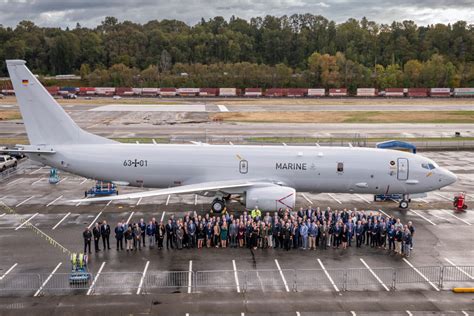
Lossiemouth also houses Typhoon aircraft responsible for safeguarding the northern skies. The station’s position allows rapid response to potential threats approaching the UK’s northern perimeter. The dual role of maritime and aerial protection enhances regional stability, strengthening Britain’s capacity to monitor oceans and airspace with uncompromising vigilance.
The Integrated Network Behind UK Air Power
These seven RAF Main Operating Bases operate as a singular ecosystem, each contributing a specialized capability while maintaining the flexibility to adapt to global uncertainties. ISTAR platforms at Waddington inform operations at home and abroad. Brize Norton projects airlift power across continents. Benson and Odiham provide indispensable rotary-wing mobility. Coningsby and Marham shoulder combat commitments essential to deterrence and defense. Lossiemouth protects vital northern waters and skies.
Their collective strength lies not only in the aircraft but in the infrastructure, personnel, and technology that bind the bases together. This integrated network allows the RAF to respond simultaneously to humanitarian crises, defense obligations, intelligence requirements, and multinational operations. For over a century, the RAF’s bases have evolved to meet the challenges of changing warfare, and today they remain central to maintaining national security and contributing meaningfully to global stability.
From surveillance to strike, mobility to maritime patrol, these bases ensure that UK air power remains agile, capable, and ready for the complexities of tomorrow.