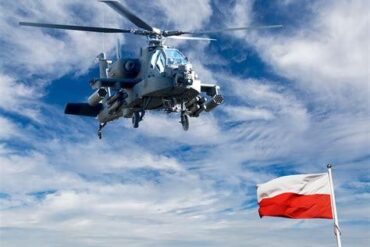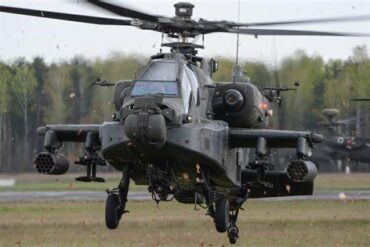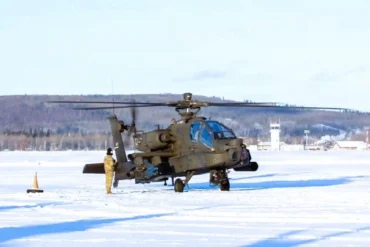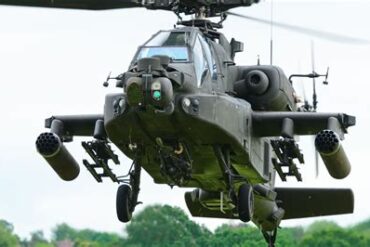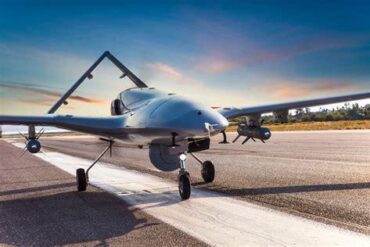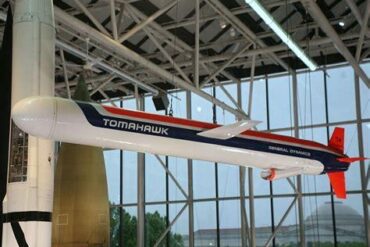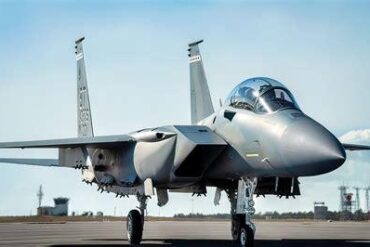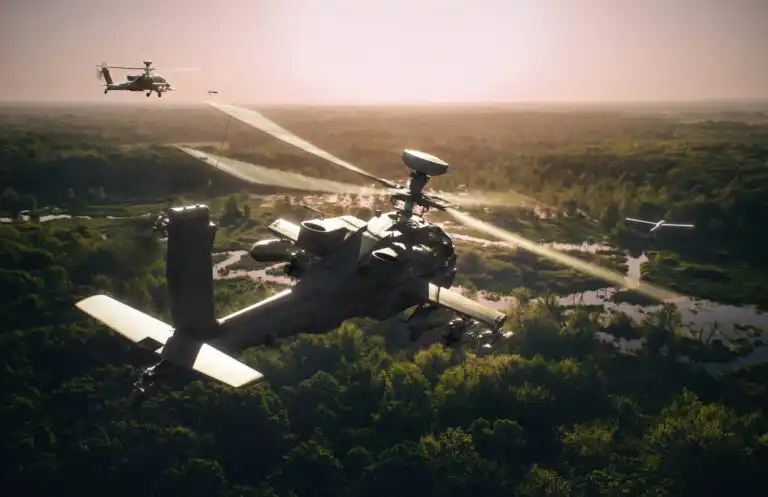
The AH-64 Apache, a symbol of modern battlefield dominance, remains a cornerstone of military aviation. In an era increasingly defined by the rapid evolution of Unmanned Aircraft Systems (UAS), the Apache stands out not just as a formidable attack helicopter but as a critical node in the emerging web of manned-unmanned operations. As militaries worldwide adapt to the challenges posed by drone warfare, the Apache continues to evolve, integrating cutting-edge technologies to maintain its edge.
The Evolving Role of the Apache in Modern Warfare
With its operational maturity, proven combat record, and relentless modernization, the Apache has adapted to the changing character of warfare. While drones provide unique advantages in endurance, cost, and risk, they lack the human intuition and flexibility that Apache pilots bring to the fight. The Apache is not just a platform but a battlefield quarterback, coordinating the complex interplay of sensors, weapons, and tactical data that define modern combat.
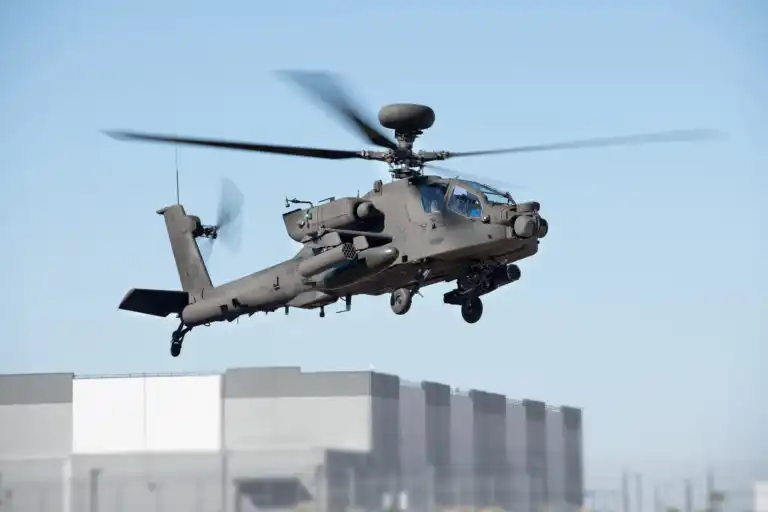
Today’s Apache, particularly the AH-64E Version 6.5, integrates advanced avionics, long-range sensors, and data links that allow it to work seamlessly with UAS. This hybrid approach leverages the best aspects of both manned and unmanned systems, combining the situational awareness and adaptability of human pilots with the extended reach and persistence of autonomous systems. This combination provides a force multiplier effect, dramatically increasing battlefield effectiveness.
Manned-Unmanned Teaming: The Power of Hybrid Warfare
Manned-Unmanned Teaming (MUM-T) is a critical component of the Apache’s future. The concept, first operationalized over a decade ago, involves tight integration between helicopters and drones, allowing Apache crews to control and direct UAS in real time. This capability extends the reach of the Apache, enabling pilots to strike targets beyond the line of sight, gather real-time intelligence, and conduct rapid precision strikes in contested environments.
Boeing, the Apache’s manufacturer, is at the forefront of this technology. Through its Open Systems Interface (OSI), Boeing has demonstrated the ability to control Launched Effects (LEs) from the Apache’s cockpit. These small, autonomous or semi-autonomous drones can be deployed directly from the helicopter to conduct reconnaissance, electronic warfare, or even kinetic attacks. The integration of LEs promises to extend the Apache’s lethality, survivability, and tactical reach, reinforcing its role as a decisive battlefield asset.
Counter-Drone Operations: Adapting to the New Battlefield
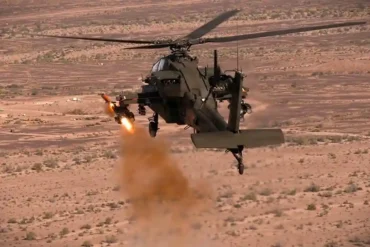
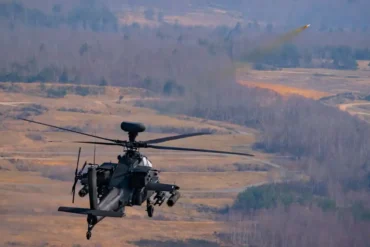
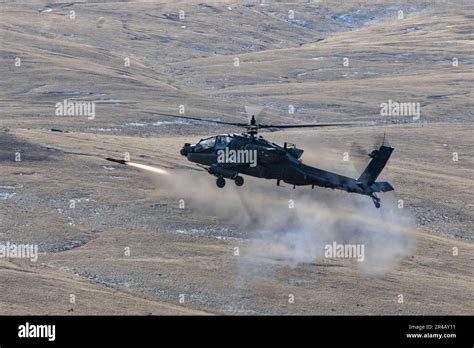
As drone technology proliferates, countering these threats has become a critical focus. The Apache is uniquely suited to this challenge, leveraging its high-speed maneuverability, powerful armament, and advanced sensor systems to neutralize aerial threats. During joint exercises in 2024, AH-64E Apaches successfully engaged and destroyed drones using AGM-114 Hellfire missiles, demonstrating their ability to adapt existing systems for emerging threats.
Additionally, the Apache’s MOSA-based architecture ensures rapid integration of cutting-edge counter-UAS (C-UAS) technologies. This modular approach allows for the seamless addition of new sensors, countermeasures, and effectors, ensuring the Apache remains at the forefront of aerial warfare as drone technology continues to evolve.
Lessons from the Frontlines: Real-World Combat Experience
Lessons from recent conflicts underscore the enduring relevance of the Apache in a world increasingly dominated by drones. Apache squadrons have consistently demonstrated their value in high-intensity combat, providing critical close air support, disrupting enemy formations, and neutralizing high-value targets. This experience has reinforced the importance of human judgment and flexibility in combat, qualities that autonomous systems have yet to fully replicate.
For example, Israel Defense Forces recently highlighted the critical role of attack helicopters in ongoing operations, emphasizing their ability to adapt to complex battlefield conditions. The Apache’s combination of speed, firepower, and battlefield awareness ensures it remains a critical asset in these conflicts, even as drone technology advances.
The Future of the Apache in an Autonomous World
Looking ahead, the Apache’s role as a hybrid battlefield platform will only become more pronounced. As the U.S. Army continues to refine its counter-UAS capabilities and integrate new technologies, the Apache will remain a linchpin of this strategy. Its ability to operate alongside autonomous systems, combined with its unmatched firepower and survivability, ensures that it will continue to dominate the skies for decades to come.
In this era of rapid technological change, the Apache stands as a testament to the enduring value of manned aviation, proving that even as drones reshape the battlefield, human pilots remain an irreplaceable part of the equation.