Jordan’s Investment in F-16 Modernization
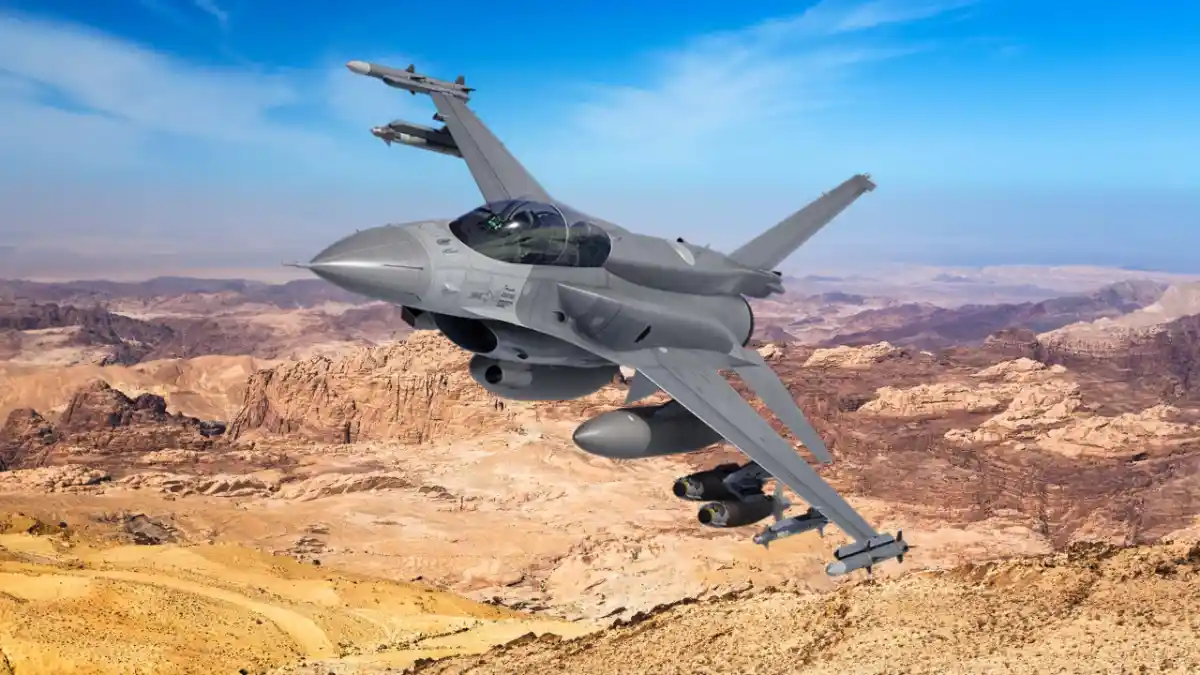
The Royal Jordanian Air Force (RJAF) has embarked on an ambitious F-16 modernization program to ensure its fleet remains a formidable force in the region. With an investment of approximately $370 million, Jordan is enhancing the combat readiness and operational lifespan of its F-16 Fighting Falcons.
The modernization plan includes the procurement of 17 F100-PW-220E engine modification kits, aimed at boosting the aircraft’s performance and reliability. Furthermore, Jordan is implementing the Falcon Star and Falcon Up structural enhancement programs, which will extend the aircraft’s service life to 8,000 flight hours. These upgrades are critical in maintaining Jordan’s aerial supremacy and ensuring the continued effectiveness of the RJAF’s multi-role fighter fleet.
Operational Deployment of F-16 in Jordan
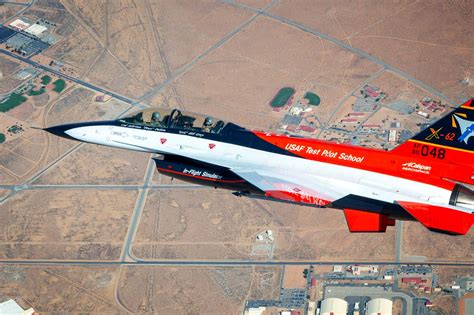
As a strategic ally of the United States in the Middle East, Jordan has played an active role in regional security operations, utilizing its F-16 fleet in various combat missions. The aircraft’s proven track record in air-to-ground precision strikes and air superiority missions has made it an indispensable asset for Jordan’s defense strategy.
Participation in Counter-Terrorism Operations
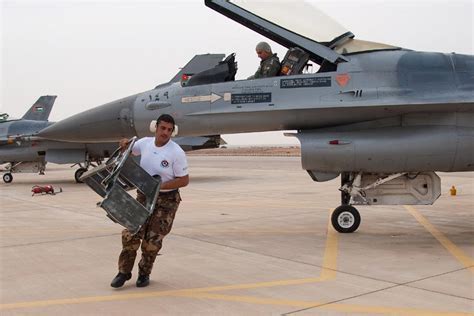
Jordan’s F-16 fighter jets have been deployed in multiple counterterrorism missions, particularly against extremist groups. In 2015, following the brutal execution of a Jordanian pilot, Jordan intensified its air operations against the Islamic State (IS). The United Arab Emirates (UAE) also deployed an F-16 squadron to Jordan as part of the coordinated efforts to eliminate terrorist strongholds.
The participation of Jordanian F-16s in coalition-led airstrikes highlights the aircraft’s adaptability, precision strike capabilities, and the Jordanian Air Force’s commitment to maintaining regional security. The RJAF continues to rely on the F-16’s robust airframe and combat effectiveness to support multinational military operations and border security initiatives.
Performance and Cost Advantages of F-16
A Globally Proven Fighter Jet
The F-16 Fighting Falcon is one of the most widely used fourth-generation fighter jets, with over 4,500 aircraft in active service across 25 countries. Since its introduction, it has accumulated more than 19.5 million flight hours, demonstrating its reliability and operational efficiency.
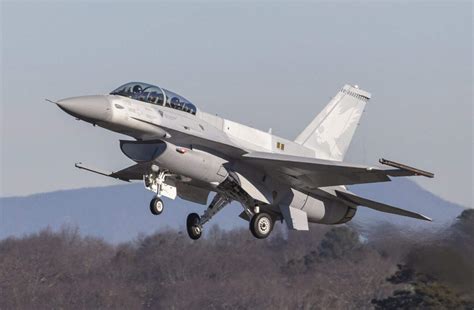
The latest Block 70/72 variants of the F-16 are equipped with the APG-83 Active Electronically Scanned Array (AESA) radar, significantly enhancing its air-to-air and air-to-ground combat capabilities. The radar upgrade allows for superior target detection, tracking, and engagement, ensuring that the aircraft remains a lethal adversary in modern warfare.
Cost-Effectiveness and Longevity
One of the primary reasons Jordan continues to invest in the F-16 platform is its cost-effectiveness compared to other fourth-generation fighters. With an estimated operational cost lower than similar aircraft, the F-16 remains a viable option for nations that seek high performance without excessive maintenance costs.
Additionally, the aircraft’s original design lifespan of 12,000 hours ensures extended service with proper maintenance and upgrades. By opting for the Falcon Star and Falcon Up programs, Jordan is making a strategic decision to maximize the longevity of its fleet while maintaining peak operational effectiveness.
Future of F-16 in Jordan’s Defense Strategy
Jordan’s F-16 fleet modernization aligns with its broader military strategy of ensuring regional stability and national security. By upgrading the fleet, the RJAF is reinforcing its aerial combat capabilities while positioning itself as a key player in regional defense collaborations.
Moreover, Jordan’s ability to conduct independent air operations and participate in coalition missions showcases its commitment to countering external threats and securing its borders. As regional security challenges evolve, the continuous enhancement of Jordan’s F-16 fighters will remain pivotal in maintaining air superiority and deterrence capabilities.
FAQ: Jordan’s F-16 Program
1. Why is Jordan upgrading its F-16 fleet?
Jordan is upgrading its F-16 fighter jets to enhance combat performance, extend their operational lifespan, and maintain technological parity with regional air forces. The modernization includes structural upgrades, engine modifications, and avionics enhancements to ensure that the fleet remains effective in modern warfare.
2. How does the F-16 compare to other fighter jets in the region?
The F-16 Fighting Falcon offers a balance of performance, affordability, and combat versatility. With its AESA radar, precision strike capabilities, and cost-efficient operations, the F-16 remains competitive against newer aircraft like the Rafale or F-15EX while being more economically viable for sustained operations.
3. What role do Jordan’s F-16s play in regional security?
Jordan’s F-16 fleet plays a critical role in regional security efforts, including counterterrorism operations, border defense, and coalition airstrikes. The aircraft’s high mobility, advanced targeting systems, and interoperability with allied forces make it a valuable asset in maintaining stability in the Middle East.
With these upgrades and continued deployments, Jordan ensures that its F-16 fleet remains a pillar of national defense and regional cooperation for years to come.