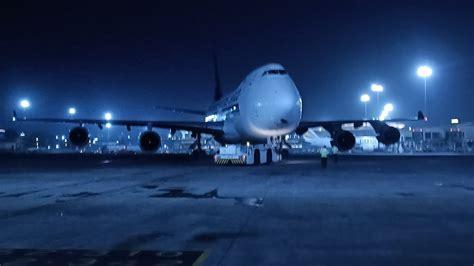
Jet blast, a powerful and often underestimated aerodynamic force, poses significant risks within aviation environments, particularly during aircraft takeoff and taxiing. Jet blast refers to the high-speed exhaust gases expelled by jet engines, which can reach velocities rivaling those of a Category 5 hurricane. These blasts are invisible, sudden, and capable of causing catastrophic damage, making them a critical subject in aviation safety engineering and operational protocols.
The sheer velocity of air movement from a jet engine can exceed 100 knots (120 mph or 190 km/h) even at a distance of 60 meters (200 feet) behind the aircraft when operating at only 40% of maximum power. In practical terms, this equates to a wall of wind with enough force to flip vehicles, uproot trees, damage buildings, and injure or kill unprotected individuals.
Understanding the Mechanics of Jet Blast
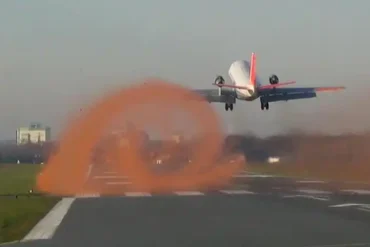
Jet blast occurs as a direct consequence of Newton’s Third Law of Motion: for every action, there is an equal and opposite reaction. As jet engines generate thrust by expelling air and exhaust gases at high speed, the expelled gases form a concentrated stream of turbulent wind, known as the jet efflux. The intensity of the blast is influenced by engine size, thrust setting, nozzle design, and environmental conditions.
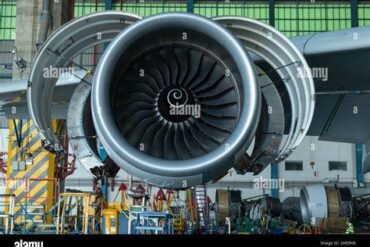
Modern high-bypass turbofan engines produce less concentrated but broader jet blast patterns due to the mix of hot core air and cooler bypass air. In contrast, older turbojets and low-bypass engines generate more focused, narrower blasts, capable of traveling further distances with greater pressure.
The problem is exacerbated by the fact that jet blast is invisible. Unlike visible flames or smoke, it cannot be easily seen, making it particularly treacherous for airport personnel, nearby pedestrians, and light aircraft pilots who may unknowingly enter the hazard zone.
Jet Blast Hazards to Infrastructure and Human Safety
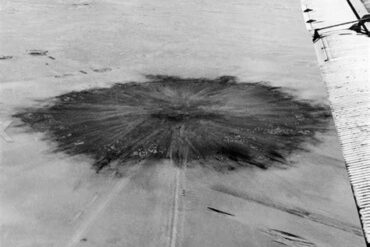
The hazards posed by jet blast are multifaceted. Structural damage is among the most critical, with instances of roof failures, pavement destruction, and even aircraft damage recorded globally. When takeoff thrust is applied on compromised or poorly constructed tarmac, jet blast can rip up sections of asphalt, hurling fragments weighing tens of kilograms into the air.
One particularly dangerous phenomenon arises when lightweight or unsecured objects are in the blast path. Cargo carts, wheelchairs, scaffolding, and other airside equipment can become dangerous projectiles. For ground personnel, jet blast can knock individuals off their feet, slam them into hard surfaces, or cause fatal injuries.
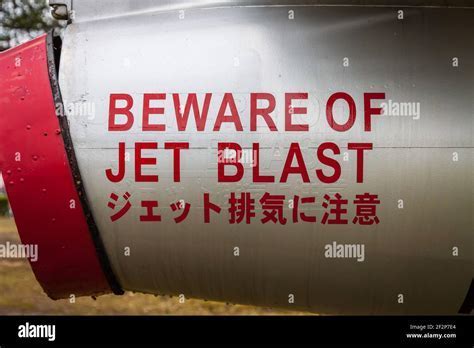
A tragic example occurred on July 12, 2017, when a tourist observing takeoffs at Princess Juliana International Airport in Sint Maarten was blown backwards by a jet blast, leading to a fatal head injury. Despite clear signage warning of the risks, the unique proximity of the runway to Maho Beach continues to attract thrill-seeking spectators.

Light Aircraft: Unseen Victims of Jet Blast
Smaller aircraft are disproportionately vulnerable to jet blast due to their lower weight and high surface area-to-mass ratio. When moving near large jets, they can be destabilized or lifted off the ground entirely. This is why light aircraft pilots often avoid following the centerline behind heavier jets and instead taxi to the side where the blast effect is weaker.
Incidents involving propeller aircraft and their own version of jet blast—prop wash—also underscore the need for caution. While not as forceful as jet efflux, prop wash can still produce damaging rearward winds, particularly in multi-propeller or turboprop setups.
Jet Blast Deflectors: Engineering Against the Invisible Wind
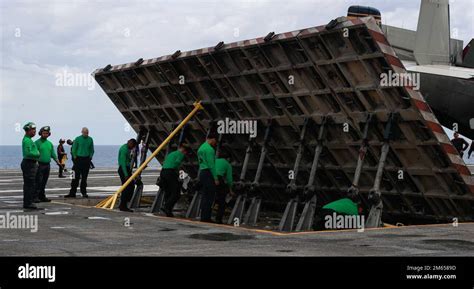
A crucial defense mechanism against jet blast is the Jet Blast Deflector (JBD). These are robust, heat-resistant barriers installed behind aircraft during engine run-up or takeoff, especially on aircraft carriers like the USS Abraham Lincoln (CVN-72). These deflectors, often hydraulically actuated, redirect the blast upward and away from personnel and other aircraft.
JBDs are engineered to withstand extreme heat and force, with materials such as reinforced steel and ceramic composites. Their effectiveness, however, depends on correct deployment and positioning. On civilian runways, natural topography or constructed berms sometimes serve a similar purpose, although they are less versatile than military-grade deflectors.
Jet Blast Hotspots Around the World
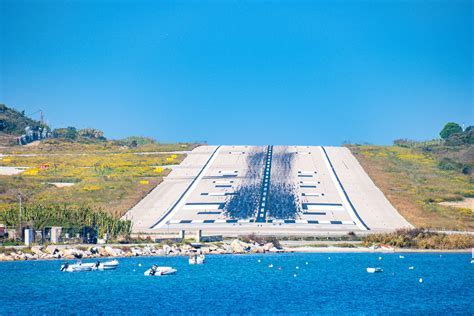
Certain airports have become infamous for their proximity between runways and public access points, offering both a spectacle and a hazard. Besides Princess Juliana, Skiathos Airport in Greece features an ultra-short runway mere meters from a public road. Tourists regularly gather to witness low flyovers and experience jet blast, sometimes with dangerous consequences.
Other hotspots include:
- Gustaf III Airport, St. Barts – where the steep descent and short runway create dramatic departures.
- Kai Tak Airport (now closed), Hong Kong – formerly known for hair-raising landings and close urban proximity.
Despite repeated warnings, these locations remain popular due to viral videos and aviation thrill-seekers, making public education and physical deterrents even more essential.
Operational Mitigation and Airport Design Strategies
Airports employ a range of strategies to mitigate jet blast risks:
- Zoning Regulations: Ensuring critical infrastructure and public pathways remain outside the jet blast cone.
- Engine Run-Up Pads: Isolated zones designed for testing engines at high power settings.
- Airside Training: Ground crews undergo rigorous training to understand blast zones and safe taxi distances.
- Signage and Barriers: High-visibility warnings, reinforced fencing, and physical barricades discourage unsafe behavior.
In high-traffic areas, blast fences may be erected to protect service roads, fuel farms, and terminals. These fences are not merely chain link but specially angled, reinforced walls designed to redirect and absorb high-velocity airflows.
Jet Blast in Accident Investigations
While not frequently the primary cause, jet blast is often a contributing factor in aviation incidents. For instance, in the crash of Air Moorea Flight 1121 in 2007, investigators cited jet blast from a larger aircraft as a possible contributor to the loss of control shortly after takeoff.
Jet blast may also play a role in runway incursions, equipment damage, and delayed maintenance scheduling due to wear on surrounding surfaces. Forensic examination of tarmac patterns, debris distribution, and video surveillance can help identify blast-related disruptions post-incident.
Looking Ahead: Future Challenges and Innovations
As air travel increases and airport footprints become more constrained, the risk zone for jet blast may grow. The next generation of wide-body aircraft, such as the Boeing 777X, brings larger engines and higher thrust outputs, demanding even more robust safety protocols.
Emerging solutions include:
- AI-powered blast modeling: Using machine learning to simulate and predict jet blast paths in real-time.
- Smart signage systems: Digital alerts triggered by aircraft thrust levels or taxiway activity.
- Enhanced pilot briefings: Tailored for specific airport configurations and real-time weather dynamics.
Urban airport expansions will also necessitate multi-layered jet blast management, integrating civil engineering, air traffic control, and community engagement to minimize risks.
Conclusion: Respecting the Invisible Threat
Jet blast remains one of the most underappreciated hazards in modern aviation, precisely because it is invisible and often indirect. Whether through injury, structural damage, or equipment disruption, its consequences can be sudden and severe. As more travelers seek immersive aviation experiences and air traffic continues to grow, the need for education, infrastructure, and strict operational vigilance will only intensify.
From thrill-seeking tourists clinging to fences at Maho Beach to deck crews working in close quarters aboard aircraft carriers, the dangers of jet blast remind us that behind the beauty of aviation lies a world of aerodynamic violence, always waiting to be unleashed.