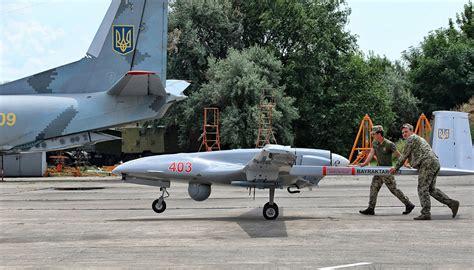
Autonomous drones are rapidly redefining the boundaries of aerial technology. Once limited to manually piloted toys and surveillance tools, these sophisticated unmanned aerial vehicles (UAVs) now navigate the skies independently, executing complex missions across diverse sectors with minimal human intervention. Powered by artificial intelligence, computer vision, and machine learning, autonomous drones embody a transformative blend of robotics and real-time analytics.
Understanding the Core of Autonomous Drones
An autonomous drone is far more than a flying gadget. It is a self-governing aerial system capable of interpreting sensor data, making split-second decisions, and adapting to dynamic environments. These UAVs range in autonomy—from following pre-set GPS coordinates to executing real-time evasive maneuvers using AI algorithms and obstacle-detection systems. Their growing role in operations such as military reconnaissance, disaster response, and automated agricultural analysis marks a pivotal advancement in aerial technology.
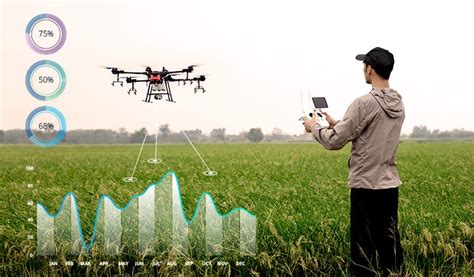
How Autonomous Drones Operate: From Takeoff to Mission Completion
While many users still initiate launch via traditional controllers or mobile apps, the essence of autonomy begins once the drone transitions into automated mode. From there, the aircraft leverages onboard computing power and embedded software to interpret its environment and execute pre-configured flight plans. Navigation, obstacle avoidance, and data capture all unfold without human intervention, driven by a blend of high-level algorithms and sensory feedback loops.
Key to this is machine learning, which allows drones to improve performance over time. For example, drones surveying forests for fire hazards learn to distinguish between natural heat signatures and actual fire outbreaks, increasing mission accuracy with each flight.
Critical Components Powering Autonomous Flight
Every autonomous drone is an orchestra of high-tech components working in harmony:
- Autopilot System: The nerve center processing flight data and guiding trajectory.
- GPS Module: Delivers precise geolocation for waypoint navigation.
- Sensors: These include LiDAR and ultrasonic sensors for obstacle detection, optical cameras for visual mapping, and application-specific instruments such as thermal imagers or air quality monitors.
- Onboard Computer: Executes advanced algorithms for autonomous decision-making, real-time data analysis, and adaptive pathfinding.
Together, these technologies allow drones not just to fly, but to comprehend, decide, and respond.
Why Autonomous Drones Are Game-Changers
The shift to autonomy introduces substantial advantages:
- Enhanced Safety: Drones handle hazardous operations like inspecting high-voltage power lines or surveying volcanic activity, keeping human crews out of harm’s way.
- Operational Efficiency: Drones scan hundreds of acres in minutes, gathering actionable data much faster than manual methods.
- Cost Reductions: Labor, equipment wear, and downtime are minimized with streamlined, repeatable aerial missions.
For example, in agriculture, autonomous drones equipped with NDVI cameras can analyze crop health across vast farms, identify underperforming zones, and generate optimized treatment maps—slashing chemical usage and water waste.
Use Cases Across Critical Industries
Autonomous drones are transforming workflows in multiple industries:
Security & Surveillance: High-resolution cameras and thermal sensors allow continuous, unmanned perimeter patrols. Integrated AI detects suspicious movements and transmits alerts in real time.
Mapping & Surveying: Urban planners and civil engineers deploy drones to create precise 3D topographic models. These facilitate smart city designs and help construction firms monitor progress without manual inspections.
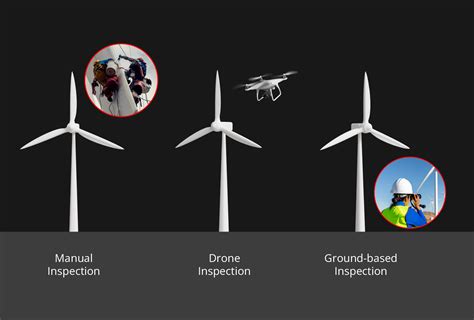
Energy Infrastructure Inspection: Power companies use drones to autonomously scan wind turbines, pipelines, and substations for corrosion, damage, or overheating—detecting faults before failure occurs.
Disaster Response: Fire departments and rescue teams use drones with thermal cameras to locate survivors in collapsed buildings or assess wildfire spread, often in environments unsafe for humans.
Agriculture: From multispectral imaging to targeted pesticide application, drones enable precision farming that reduces waste and improves yield.
Military and Tactical Reconnaissance: Autonomous UAVs scout dangerous territories undetected, relaying high-resolution intelligence for mission planning without risking personnel.
Delivery Logistics: Companies like Zipline and Amazon Prime Air are deploying autonomous drones for last-mile deliveries, particularly in congested urban zones where traditional vehicles face delays.
The JOUAV VTOL Hangar: Benchmark in Drone Autonomy
A standout model in the field is the JOUAV VTOL Hangar System, a fully autonomous drone-in-a-box solution designed for industrial-grade applications. At its heart is the CW-15V vertical takeoff and landing (VTOL) UAV, paired with the JOS-C800 smart station and the Jocloud AI control platform.
Key features include:
- 180-minute flight endurance and 72 km/h cruise speed
- RTK + visual guidance system for advanced obstacle avoidance
- Fully autonomous launch, mission execution, and return
- Real-time environmental sensing including humidity, rainfall, wind speed, and air temperature
- AI-powered reporting via Jocloud for post-mission analysis
Such systems are revolutionizing applications like remote infrastructure monitoring, environmental analysis, and industrial inspections, where manual deployment would be inefficient or dangerous.
Navigating FAA Regulations for Autonomous Flight
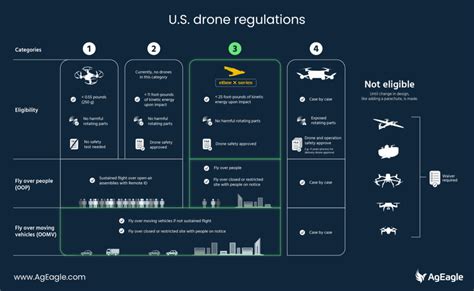
To ensure safety in U.S. airspace, autonomous drone operators must comply with Federal Aviation Administration (FAA) standards:
- Part 107 Certification: Required for commercial pilots, governing operations such as visual line-of-sight (VLOS) and maximum altitude limits (400 ft).
- BVLOS Waivers: For beyond visual line-of-sight missions, operators must demonstrate collision avoidance capability.
- Airspace Authorization: Needed for flights in restricted zones or near airports. Compliance with Temporary Flight Restrictions (TFRs) is mandatory.
- Aircraft Certification: Drones must meet airworthiness criteria, particularly when used for high-risk applications or carrying heavy payloads.
- Remote Identification: Drones must broadcast identifying information during flight, increasing transparency and accountability.
Building Your Own Autonomous Drone: A Technical Overview
Creating an autonomous drone is a multidisciplinary project requiring mechanical design, software development, and systems integration:
- Select a stable airframe that accommodates payload and environmental conditions.
- Install a flight controller like ArduPilot or Pixhawk for command input and sensor management.
- Integrate navigation sensors—GPS, gyroscopes, accelerometers, and altimeters.
- Deploy autonomous software, either open-source or proprietary, to enable mission planning and real-time decision-making.
- Establish communication links such as radio telemetry, Wi-Fi, or LTE for remote monitoring.
- Conduct iterative testing under various conditions to refine flight performance and safety protocols.
This process not only sharpens technical skills but also provides deep insight into the algorithms and mechanics that make machine autonomy possible.
Clarifying Common Questions Around Drone Autonomy
What differentiates autonomous and automatic UAVs?
An autonomous UAV can sense and respond to its environment in real time. An automatic UAV merely executes pre-defined instructions, lacking adaptive decision-making.
How much does a drone-in-a-box system cost?
Depending on functionality, durability, and software ecosystem, systems can range from $5,000 to over $50,000.
What drives drone automation?
Automation is enabled by advanced sensors, autopilot systems, and AI algorithms that guide every aspect of the drone’s mission—from flight path optimization to data interpretation.

Conclusion: A Sky of Possibilities
Autonomous drones represent the future of aerial intelligence. Their capacity to operate without human input, interpret real-time conditions, and execute complex missions is unlocking efficiencies and capabilities unimaginable just a decade ago. As regulations mature and technology continues to evolve, these UAVs will become increasingly integrated into the infrastructure of daily life—from safeguarding borders to feeding the planet.
The sky is no longer the limit—it is the domain of intelligent, autonomous machines that see, decide, and act on behalf of humanity.