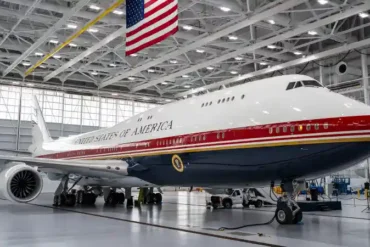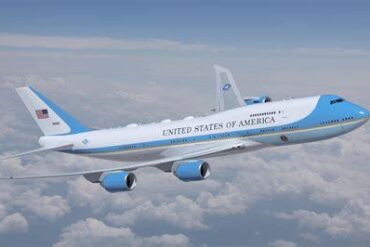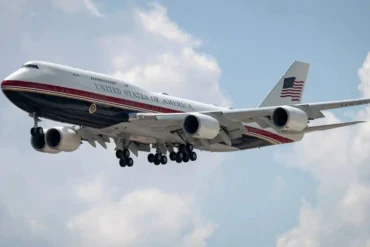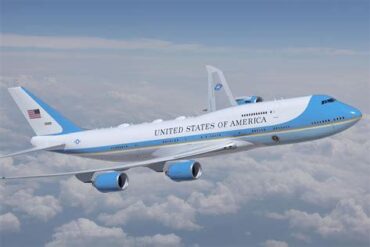
President Donald Trump has temporarily stepped away from the newly introduced Qatar-gifted Boeing 747-8 aircraft after completing its first overseas mission as a presidential transport. Following his arrival in Turkey for a NATO summit aboard the new aircraft, Trump chose to return to one of the older VC-25A Air Force One jets, describing the decision as a flight taken “for old time’s sake.”
The unexpected switch has attracted attention because the new aircraft was introduced as an interim solution while the US Air Force continues waiting for the official VC-25B replacement program from Boeing. The move has also reignited questions surrounding the security features, political controversy, and long-term role of the heavily modified 747-8 that has become one of the most debated presidential aircraft in recent history.
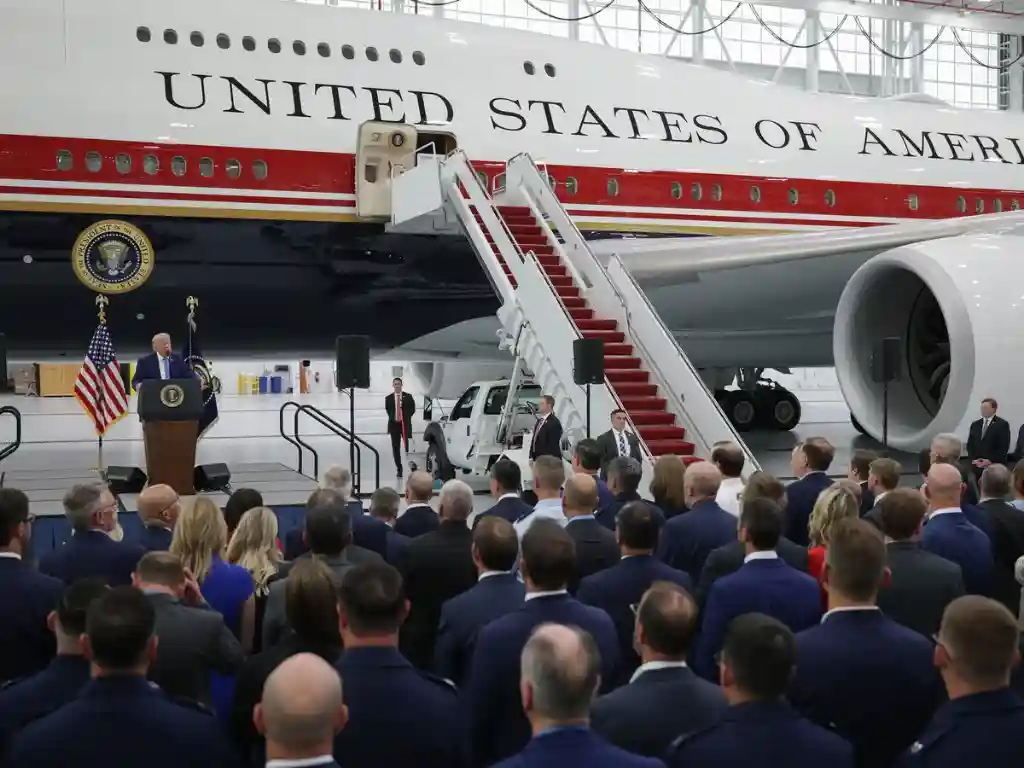
Trump’s first international journey aboard the new aircraft marked a major milestone for the controversial jet. The aircraft transported the president from the United States to Ankara, Turkey, where he attended a NATO summit. After the mission, however, the aircraft continued to the United Kingdom without Trump onboard, landing at RAF Mildenhall in Suffolk.
Trump explained that the aircraft was sent to the British air base so military personnel could tour and inspect what he called a “brand new, and truly spectacular Air Force One.” While the aircraft remained on display for members of the military, Trump chose to board one of the existing presidential Boeing 747-200 aircraft for the short flight from Turkey to Mildenhall.
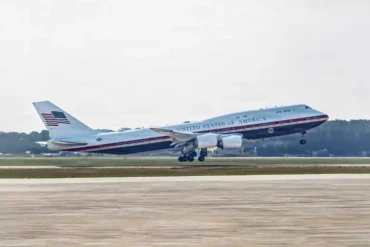
The decision carried a symbolic meaning. The two current Air Force One aircraft, officially designated VC-25A, have served as the presidential fleet’s flagship transports for more than three decades. These highly customized Boeing 747-200s became closely associated with modern presidential travel, making Trump’s return to one of them a nostalgic moment rather than a sign that the new aircraft had been rejected.
The New Boeing 747-8 Air Force One Bridge Aircraft Faces Security Questions
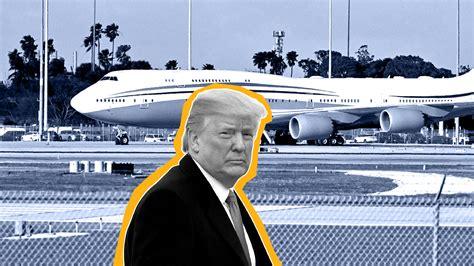
The Qatar-provided Boeing 747-8, often described as the Air Force One bridge aircraft, was created to fill the gap between the aging VC-25A fleet and the delayed arrival of Boeing’s official VC-25B replacement aircraft. The aircraft underwent an extensive conversion process led by aviation company L3Harris, with modifications designed to meet the demanding requirements of presidential transportation.
However, the project has faced criticism since its announcement. Members of Congress from both political parties questioned whether the aircraft could be transformed quickly enough without compromising security standards. Presidential aircraft require some of the most advanced defensive and communication systems in the world, many of which remain classified.
Among the essential upgrades were systems designed to protect against missile threats, electromagnetic effects from nuclear events, and other potential dangers. Aviation experts previously warned that installing such advanced technology could require years of development and potentially cost more than $1 billion.
The US Air Force has insisted that the aircraft is safe, secure, and ready for presidential operations. Officials stated that no compromises were made regarding security, safety, or mission communications, although some less frequently used capabilities were adjusted compared with the full specifications planned for the future VC-25B fleet.
A Controversial Presidential Aircraft With Legal and Political Challenges
Beyond technical questions, the aircraft has become surrounded by political and legal debates. With an estimated value of approximately $400 million, the Boeing 747-8 may represent one of the largest foreign gifts ever received by the US government. The aircraft’s transfer from Qatar raised questions regarding constitutional restrictions on accepting gifts from foreign states.
The US Constitution’s Emoluments Clause limits government officials from receiving certain benefits from foreign governments. However, legal advisers for the White House and Department of Justice concluded that accepting the aircraft was permissible under the circumstances.
The controversy intensified after reports suggested that Trump wanted to keep the aircraft after leaving office and potentially place it at his presidential library. Critics questioned whether such a transfer would create ethical concerns, while supporters argued that the aircraft could serve as a historic presidential artifact.
The debate also highlights frustration over Boeing’s delayed VC-25B program. The original replacement aircraft were expected to arrive years earlier, but technical challenges and production delays pushed the expected delivery schedule significantly further into the future.
The Long Delay Behind America’s Official Air Force One Replacement
The VC-25B program involves two new Boeing 747-8 aircraft that are being heavily modified for presidential service. Unlike standard commercial aircraft, these jets require extensive military-grade upgrades, including secure communications, defensive systems, specialized interiors, and advanced operational capabilities.
The delays have been a source of frustration for Trump, who has repeatedly criticized Boeing’s progress. The aircraft were originally expected to enter service earlier in the decade, but current projections place delivery much closer to the end of the 2020s.
Because the existing VC-25A aircraft are more than 30 years old, the bridge aircraft provides an interim option while the Air Force waits for the permanent replacement fleet. Its introduction allows presidential operations to continue without relying entirely on aging aircraft.
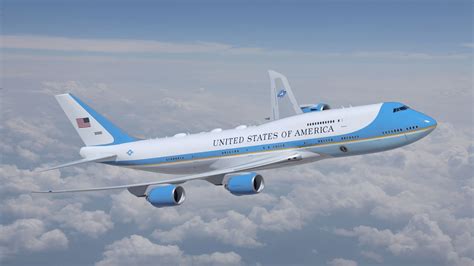
According to flight tracking information, the new Boeing 747-8 completed a lengthy international journey during its first presidential mission. The aircraft departed from the United States on July 6 and flew approximately nine hours and 22 minutes before arriving in Ankara on July 7.
After leaving Turkey, the aircraft traveled to RAF Mildenhall, where it remained briefly before completing its return journey to the United States. The flight demonstrated the aircraft’s long-range capability and its ability to support international presidential travel.
A Symbolic Return to the Original Air Force One Era
Trump’s decision to fly the older VC-25A after introducing the new aircraft created a moment that blended politics, technology, and presidential tradition. Although the Boeing 747-8 represents a major upgrade in size, efficiency, and capability, the older Air Force One aircraft carry decades of history.
For Trump, the return flight represented a connection to an aircraft that had already become part of his presidency. His explanation that the journey was “for old time’s sake” reflected the symbolic importance of the familiar presidential jets.
The new Boeing 747-8 will likely continue to attract attention as it begins its role as a temporary presidential transport. Whether viewed as an innovative solution or a controversial shortcut, the aircraft represents a unique chapter in the long history of Air Force One and the evolution of presidential aviation.