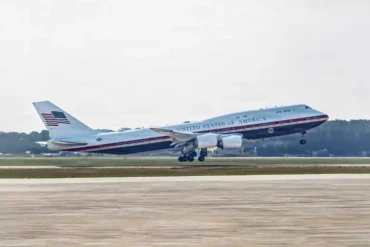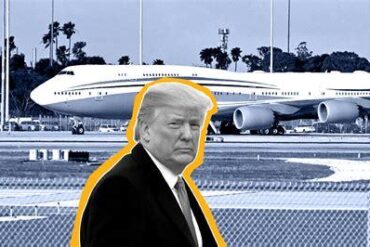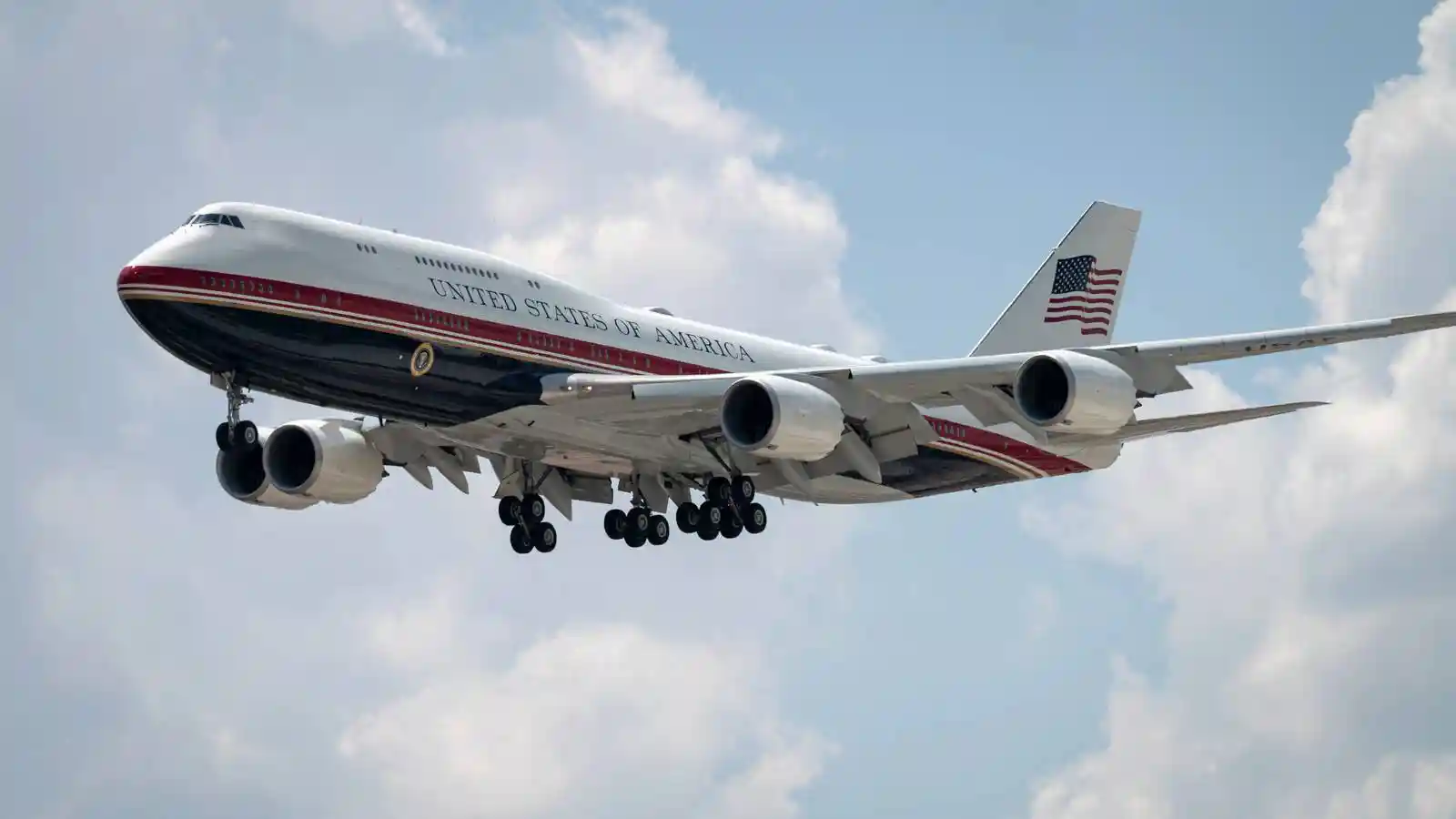
Barely weeks after making its presidential debut, the aircraft temporarily serving as Air Force One is heading back into modification work. The Boeing 747-8, donated by Qatar and converted into a presidential transport aircraft, will undergo another round of upgrades after President Donald Trump confirmed that the jet will be “maxed out” with additional capabilities.
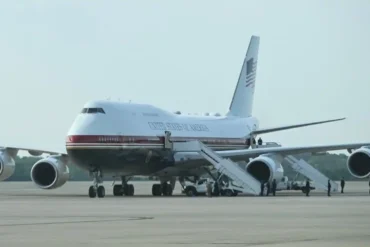
The aircraft, often described as the “Bridge” Air Force One, was introduced as an interim solution while Boeing continues development of the delayed VC-25B replacement aircraft. Although the modified 747-8 has already carried the president on several high-profile missions, including domestic travel and international engagements, questions surrounding its security equipment have pushed officials to accelerate further improvements.
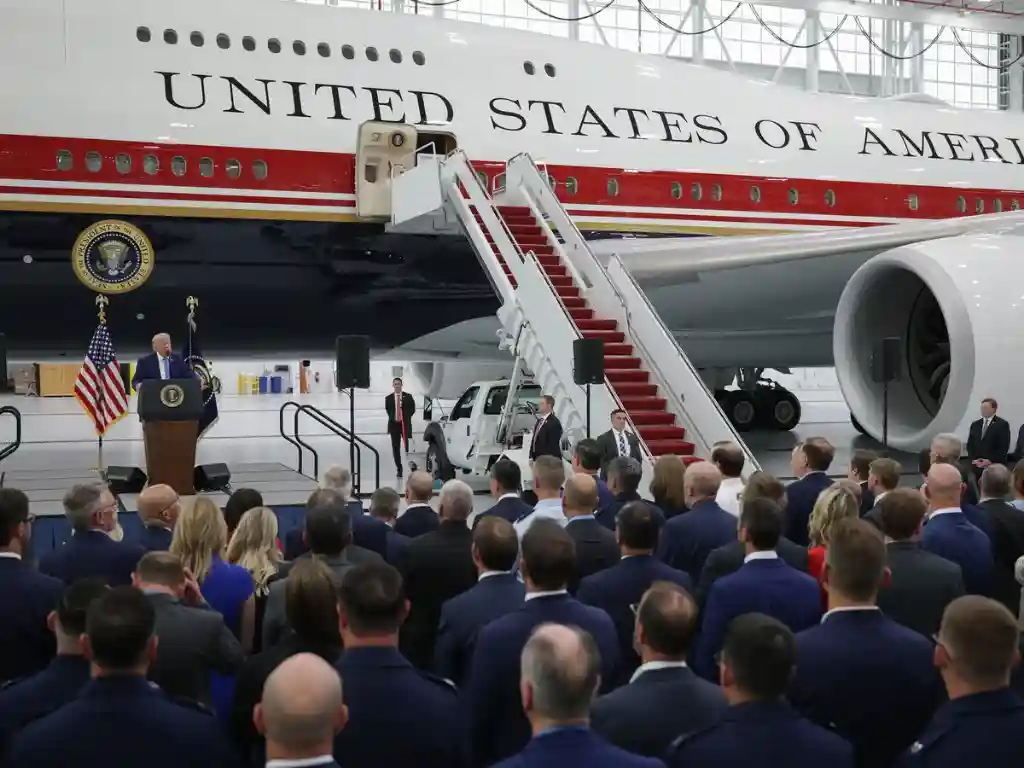
Trump Announces Additional Air Force One Modifications
Speaking after returning from the FIFA World Cup final, Trump confirmed that the aircraft would soon leave active service for additional work. He said the aircraft already had significant capability but would return for upgrades intended to bring it closer to the standards expected of a presidential aircraft.
The additional modification period is expected to last approximately one month. While the exact details remain classified, aviation experts believe the work will focus heavily on defensive systems, secure communications, mission equipment, and presidential protection capabilities.
Unlike traditional Air Force One aircraft, which are designed and built specifically for presidential operations, the 747-8 began life as a commercial aircraft intended for private aviation use. Transforming it into a secure government transport required extensive engineering changes, including specialized communications equipment, operational systems, and security enhancements.
The speed of the conversion has been a major point of discussion. Defense contractors and government officials had to complete a highly complex transformation process under an accelerated timeline, a task that normally requires years of planning, testing, and certification.
Security Concerns Surround the Temporary Presidential Aircraft
The decision to upgrade the aircraft comes after renewed attention over whether the temporary Air Force One has all the protective capabilities found on the existing VC-25A fleet.
During a recent overseas trip to the NATO Summit in Turkey, Trump reportedly returned to the United States aboard one of the older presidential aircraft rather than the newly introduced 747-8. Officials cited concerns that the legacy aircraft currently offers more complete defensive protection due to decades of specialized upgrades.
The existing VC-25A aircraft, based on the Boeing 747-200 platform, were heavily modified throughout their service lives. They feature advanced defensive technologies, hardened communications networks, and systems specifically designed for presidential missions.
The Bridge Air Force One, by comparison, entered service after a rapid conversion process. While it received significant improvements before entering operation, some experts suggested that there was not enough time to install every capability normally associated with a presidential aircraft.
A former US Air Force official noted that the accelerated schedule meant that certain security, communications, and support systems may not have reached the same level as those aboard the older aircraft.
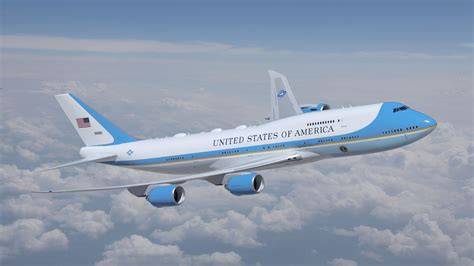
L3Harris Led the Accelerated Aircraft Conversion
The conversion work on the Qatari-donated Boeing 747-8 was reportedly performed by defense contractor L3Harris, which handled much of the complex integration required to transform the aircraft into a presidential transport platform.
The process involved adapting a former Boeing Business Jet into a specialized government aircraft capable of supporting presidential travel. Such modifications typically involve extensive testing because the aircraft must support not only transportation but also command, communication, and emergency response responsibilities.
A presidential aircraft functions as a flying government facility. Beyond passenger transportation, it must allow the president and senior officials to maintain secure communications, coordinate national security decisions, and continue operations during crises.
The challenge of converting an existing aircraft is that engineers must integrate advanced military-grade systems into an airframe that was not originally designed for those requirements. This differs significantly from building an aircraft specifically for presidential service from the beginning.
Trump’s decision to continue upgrading the aircraft reflects the importance of closing those capability gaps while the United States waits for the next-generation Air Force One fleet.
The VC-25B Program Remains the Long-Term Solution
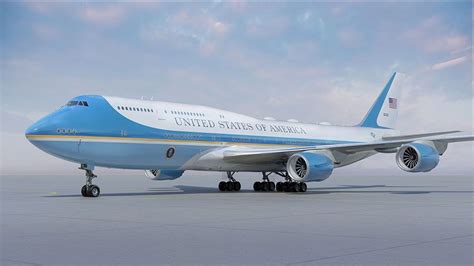
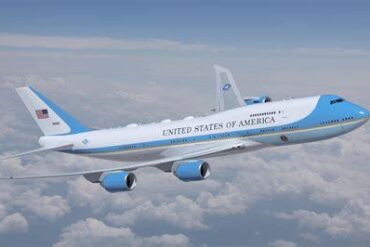
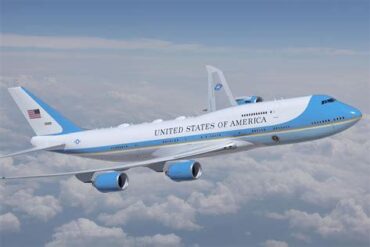
Although the Bridge Air Force One will receive additional improvements, it remains only a temporary solution. The long-term replacement aircraft are the Boeing VC-25B jets, which are being developed under a fixed-price contract valued at approximately $3.9 billion.
The VC-25B program was announced in 2018 and has faced significant delays due to engineering challenges, supply chain issues, and cost pressures. Current projections place delivery of the new aircraft around the late 2020s.
Unlike the modified Boeing 747-8, the VC-25B aircraft are being built specifically for presidential operations from the start. They will include a range of specialized features, including improved electrical systems, advanced communications, enhanced defensive technology, and expanded mission capabilities.
The new aircraft will also provide additional space compared with the current VC-25A fleet. Planned improvements include larger work areas, upgraded passenger facilities, improved medical support capabilities, and more efficient systems for long-duration missions.
Bridge Air Force One Faces a Critical Upgrade Phase
The return of the Boeing 747-8 for additional modifications highlights the difficulty of balancing immediate operational needs with the demanding requirements of presidential aviation.
The aircraft has already completed several important missions and demonstrated that it can serve as a temporary presidential transport. However, operating as Air Force One requires much more than carrying passengers. It requires an aircraft capable of protecting the president while supporting national leadership during unpredictable situations.
The planned “maxed out” upgrades represent an effort to strengthen the aircraft’s role until the arrival of the VC-25B fleet. For now, the upgraded 747-8 will continue operating alongside the aging VC-25A aircraft, providing additional flexibility for presidential travel.
The situation also reflects a broader challenge in military and government aviation: adapting existing platforms quickly while waiting for purpose-built replacements. The Bridge Air Force One may have entered service earlier than originally expected, but its latest upgrade phase shows that the mission requirements of presidential aviation remain among the most demanding in the world.