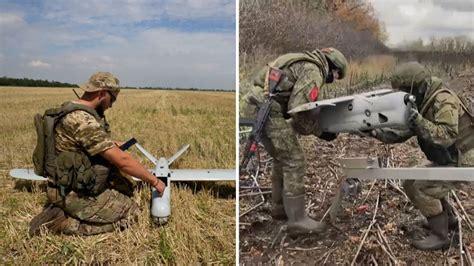
A deadly strike inside Russian territory, carried out by a swarm of what appear to be off-the-shelf drones, has jolted military analysts and policymakers across the globe. Dubbed by some as “Russia’s Pearl Harbor”, this meticulously planned operation was not executed by cutting-edge, state-sponsored drones, but rather by commercial units retrofitted for destruction. It marks a watershed moment in modern warfare, redefining the balance between affordability, accessibility, and lethality on the battlefield.
The Rise of Weaponized Hobby Drones in Ukraine’s Arsenal
Ukraine’s innovative deployment of first-person view (FPV) drones has transformed how wars can be fought. These are not the large Reaper or Predator drones synonymous with U.S. military operations in the Middle East. Instead, they’re modified consumer-grade drones – the same kind that hobbyists use for photography or tech enthusiasts fly at the beach.
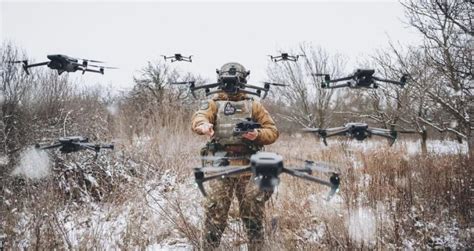
Equipped with explosive payloads, upgraded communication systems, and field-updated software, these drones have become precision-guided tools of asymmetric warfare. Ukrainian forces, often vastly outgunned and outmanned, have found in these flying machines an affordable and scalable way to strike deep behind enemy lines, disable armored vehicles, and harass logistics routes.
According to Ukrainian President Volodymyr Zelenskyy, the June 1 drone offensive into Russian territory was the result of over 18 months of careful planning, highlighting how even basic drone fleets can yield high-impact strategic results with adequate intelligence and coordination.
Drones Blur the Line Between Civilian Tech and Military Threat
What makes this evolution particularly disconcerting for global observers is that the drones in question are largely commercially available products. Many are built from the same supply chains that feed U.S. electronics stores, then modified in-theater by embedded tech specialists on the frontlines. As Mai’a Cross, international affairs professor at Northeastern University, explains, “The nature of warfare has transformed.”
Field engineers in Ukraine have demonstrated an unprecedented ability to adapt and iterate on drone systems in real-time. New hardware modules, software patches, and navigational upgrades can be installed in hours, not months. As a result, a battlefield once dependent on long R&D cycles now evolves at the pace of startup innovation.
A Surging Drone Industry Fueled by War
Estimates indicate that Ukraine is now producing up to 4 million drones annually, a figure Russia claims it can also meet. This industrial-scale output turns drone warfare into a numbers game, where quantity, not just quality, becomes a decisive factor. The price point of these drones—often a few hundred dollars apiece—makes it feasible to saturate enemy airspace and test adversary defenses relentlessly.
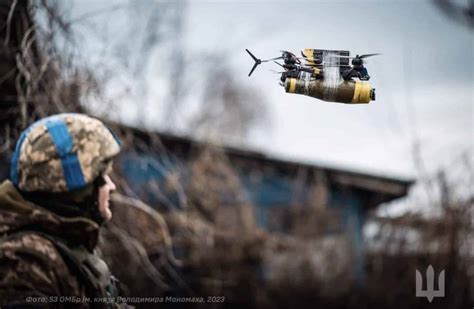
But the implications go beyond the battlefield. These trends raise uncomfortable questions about the ease with which terrorist groups or lone actors might weaponize similar tools in urban environments. In 2021, a U.S. military report noted that something as simple as a drone dispersing a household chemical over a crowd could incite mass panic. Swarming tactics, where dozens or hundreds of drones are launched simultaneously, could overwhelm current defense systems.
The U.S. Response: Counter-Drone Measures Lagging Behind
Though the Federal Aviation Administration (FAA) has worked to increase drone accountability—requiring Remote ID broadcasting for drones over 0.55 pounds—the pace of regulation has struggled to keep up with technological evolution. Under these rules, drones must broadcast location and identification signals, similar to commercial aircraft. Violations can result in fines of up to $75,000 per incident.
Still, even with robust domestic rules, the dual-use nature of drone technology makes enforcement and detection difficult. Many drones used in attacks may be modified post-purchase, making them untraceable or exempt from regulation until it’s too late. This dilemma has triggered significant federal investment: in response to rising concerns, the Pentagon recently issued an urgent $500 million request to boost counter-drone capabilities.
Industry Scrambles to Meet Growing Anti-Drone Demand
The explosion in drone warfare has also given rise to a parallel boom in the counter-drone sector. At least a dozen U.S.-based startups are currently developing anti-drone technologies, including RF jamming, directed energy weapons, and drone-hunting drones. The Congressional Research Service, as recently as April 1, 2025, issued an updated technical framework to guide U.S. countermeasures.
This arms race is no longer between great powers, but between agile innovators on both sides of the battlefield and a regulatory ecosystem scrambling to catch up. The annual Counter-UAS conference, once a niche gathering, is now a focal point for defense tech stakeholders worldwide.
Drones in Civilian Life: A Double-Edged Sword
While Ukraine has exposed the dark side of drone versatility, it is worth remembering the overwhelmingly positive civilian applications of the same devices. Drones have become indispensable tools in agriculture, infrastructure monitoring, real estate, insurance, emergency response, and entertainment.
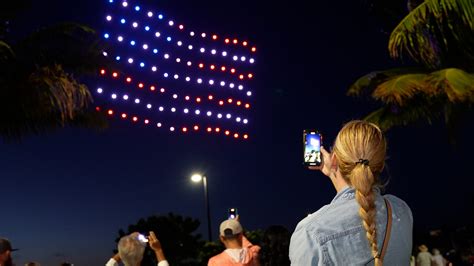
As John Coggin from Virginia Tech’s Mid-Atlantic Aviation Partnership notes, farmers use them to assess irrigation and fertilizer levels, while energy companies deploy drones to inspect transmission lines. Post-storm damage surveys now often begin with drone flyovers, saving time and reducing danger for inspectors. Meanwhile, as climate change raises the threat of wildfires, drone light shows are replacing traditional fireworks during national celebrations.
All of this has been made possible thanks to FAA regulations rolled out in 2016 and since refined. These rules laid the groundwork for a booming commercial drone economy, with more flexible usage frameworks expected in the future. Yet even as positive drone usage spreads, so does the recognition that abuse is not only possible but probable, without coordinated international controls.
The Looming Shadow of Drone Terrorism
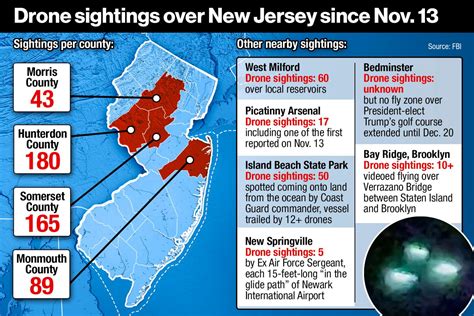
Incidents like the mysterious drone sightings in New Jersey in late 2024—later attributed to authorized FAA flights—highlight a rising public anxiety. Speculation, misinformation, and fear can spread faster than the drones themselves, exacerbating the psychological effects of these technologies.
Experts warn that in the wrong hands, drones could become the next tool for low-cost urban terror. Whether delivering explosives or simply triggering chaos through chemicals or loud distractions, their potential for misuse is hard to overstate. U.S. defense agencies are aware—and actively modeling such threat scenarios—but prevention requires anticipation, not reaction.
Conclusion: The Battlefield Has Been Democratized
Ukraine’s masterful use of repurposed civilian drones has proven that anyone with access to a credit card and basic electronics can now project deadly force. This democratization of warfare challenges traditional military hierarchies, making it harder to predict, prevent, and prepare for.
As the global community continues to embrace the benefits of drones in daily life, it must also confront the sobering reality that the same technologies can—and will—be weaponized. Regulation, international cooperation, and rapid innovation in countermeasures will be essential.
But even with all of this, the core takeaway remains chillingly clear: in the age of digital warfare, familiar tools can become terrifying weapons, often without warning—and at a cost low enough to make every city a potential front line.