Modern aviation is no longer defined merely by speed or size—it is defined by reach. The ability to connect distant cities nonstop has reshaped global travel, eliminating layovers, reducing travel time, and unlocking entirely new economic corridors. At the center of this transformation stands Boeing, whose aircraft portfolio continues to push the boundaries of range, efficiency, and operational flexibility.
Range is not just a technical specification; it is a strategic weapon. Airlines deploy long-range aircraft to dominate lucrative routes, bypass congested hubs, and deliver premium passenger experiences on ultra-long-haul journeys exceeding 15 to 17 hours. From nimble narrowbodies stretching across continents to widebody giants spanning oceans with ease, Boeing’s lineup demonstrates how engineering innovation translates into real-world connectivity.
This ranking explores the 10 Boeing jets with the longest range flying today, beginning with versatile narrowbodies and culminating in ultra-long-haul champions capable of linking nearly any two points on Earth.
By understanding how these aircraft balance range, payload, fuel efficiency, and passenger capacity, a clearer picture emerges of how modern airlines design their global networks.
10. Boeing 737-900ER — Extending Narrowbody Limits
The Boeing 737-900ER represents the upper boundary of what the Next Generation 737 platform could achieve. With a range of approximately 3,200 nautical miles (5,900 km), it bridges the gap between traditional short-haul and longer domestic or regional missions.
Airlines rely on this aircraft for high-demand medium-haul routes, where its seating capacity—often exceeding 200 passengers—provides strong revenue potential without the operational cost of a widebody. Its introduction of auxiliary fuel tanks and higher maximum takeoff weight allowed it to stretch further than its predecessors, giving airlines more flexibility.
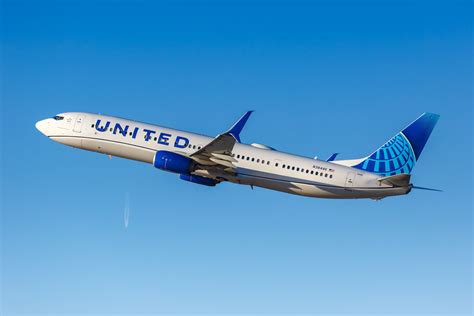
What keeps the 737-900ER relevant is not just its range, but its fleet commonality. Pilots trained across the 737 family can seamlessly transition to it, reducing training costs and maintaining operational efficiency. Even in an era dominated by newer aircraft, it remains a dependable workhorse.
9. Boeing 737 MAX 9 — Efficiency Meets Extended Reach
The Boeing 737 MAX 9 pushes the narrowbody concept further with a range of 3,300 nautical miles (6,110 km). Its performance leap comes from CFM LEAP-1B engines, advanced aerodynamics, and redesigned winglets.
This aircraft thrives in a niche where airlines need slightly more capacity than the MAX 8 without sacrificing range. It is particularly effective on transcontinental routes and short international sectors, where efficiency directly impacts profitability.
Unlike its predecessor, the MAX 9 integrates modern avionics and improved cabin design, enhancing both pilot operations and passenger comfort. Its role is strategic—less about dominance, more about precision deployment.
8. Boeing 737 MAX 8 — The Game-Changing Narrowbody
The Boeing 737 MAX 8 is arguably the most influential narrowbody aircraft in modern aviation. With a range of 3,550 nautical miles (6,574 km), it has redefined what single-aisle jets can achieve.
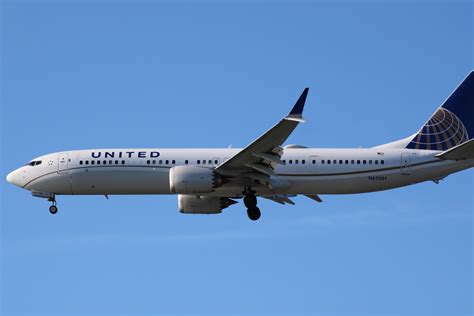
Its extended reach allows airlines to operate transatlantic routes previously reserved for widebodies, opening city pairs that were once economically unviable. This capability has fueled the rise of point-to-point travel, reducing reliance on major hub airports.
Beyond range, the MAX 8 excels in fuel efficiency and versatility. Airlines favor it because it balances passenger capacity with lower operating costs, making it one of the best-selling aircraft in history.
7. Boeing 787-10 Dreamliner — Capacity Over Distance
The Boeing 787-10 Dreamliner offers a range of 6,330 nautical miles (11,730 km), positioning it as a high-capacity regional and long-haul performer.
While it sacrifices some range compared to its siblings, it compensates with greater passenger capacity, often accommodating up to 330 travelers. Airlines deploy it on busy intercontinental routes where demand is high but ultra-long range is unnecessary.
Its composite structure and advanced systems deliver exceptional fuel efficiency per seat, making it a powerful tool for airlines focused on cost optimization without compromising passenger experience.
6. Boeing 777-200ER — The Original Long-Haul Workhorse
The Boeing 777-200ER marked a turning point in aviation when it entered service. With a range of 7,065 nautical miles (13,084 km), it replaced older four-engine jets with a more efficient twin-engine solution.
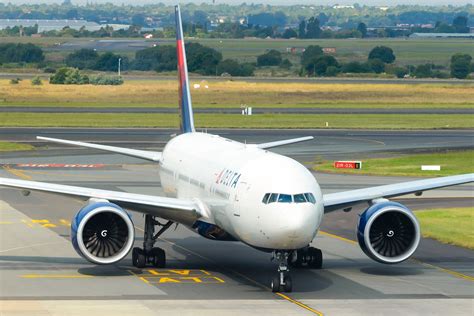
Capable of carrying 300 to 400 passengers, it became the backbone of long-haul travel for decades. Its versatility allowed airlines to connect continents reliably, from North America to Asia and beyond.
Even today, its durability and cargo capacity ensure it remains in active service, proving that strong engineering can outlast trends.
5. Boeing 787-8 Dreamliner — Opening New Horizons
The Boeing 787-8 Dreamliner introduced a new philosophy in aircraft design. With a range of 7,305 nautical miles (13,530 km), it enables airlines to operate “long thin” routes—long distances with moderate passenger demand.
Its extensive use of composite materials reduces weight and improves efficiency, allowing airlines to launch routes that were previously impossible.
Passengers benefit from improved cabin pressure, humidity, and larger windows, transforming the long-haul experience into something far more comfortable.
4. Boeing 777-300ER — High Capacity Meets Long Range
The Boeing 777-300ER stands as one of the most successful long-haul aircraft ever built. With a range of 7,370 nautical miles (13,649 km), it combines endurance with massive passenger capacity.
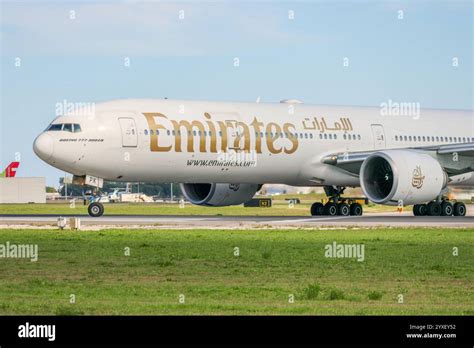
Carrying up to 400 passengers, it dominates high-demand international routes, particularly across the Pacific and between major global hubs.
Airlines value it for its reliability and efficiency, making it a cornerstone of long-haul fleets even as newer aircraft enter the market.
3. Boeing 787-9 Dreamliner — The Perfect Balance
The Boeing 787-9 Dreamliner offers a range of 7,565 nautical miles (14,010 km) and is widely regarded as the most versatile aircraft in Boeing’s lineup.
It strikes a near-perfect balance between capacity, efficiency, and range, allowing airlines to operate ultra-long-haul routes exceeding 15 hours.
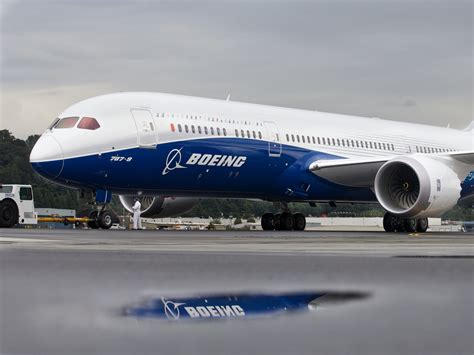
This aircraft has become a cornerstone of modern aviation strategy, enabling direct connections between distant cities while minimizing operational costs. Its adaptability ensures it remains in high demand worldwide.
2. Boeing 747-8 Intercontinental — The Final Queen of the Skies
The Boeing 747-8 Intercontinental carries forward the legacy of one of aviation’s most iconic designs. With a range of 8,000 nautical miles (14,816 km), it represents the pinnacle of the 747 family.
Its unmistakable upper-deck hump and immense size make it a symbol of long-haul travel. Although passenger operations are declining, it continues to serve high-density routes and cargo missions.
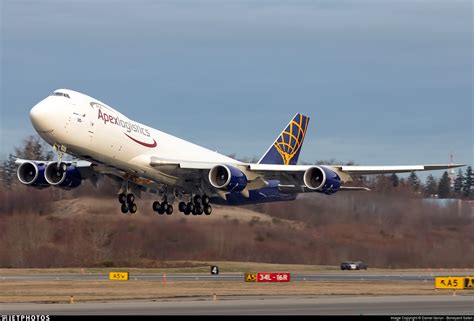
The 747-8 is not just an aircraft—it is a statement of engineering ambition, blending tradition with modern enhancements.
1. Boeing 777-200LR — The Ultimate Range Champion
At the top sits the Boeing 777-200LR, boasting an extraordinary range of 8,555 nautical miles (15,843 km).
This aircraft was designed specifically for ultra-long-haul missions, capable of connecting nearly any two cities on Earth without refueling. It has demonstrated its capabilities through record-breaking flights that pushed the limits of endurance.

Despite carrying around 300 passengers, it maintains exceptional efficiency and cargo capacity, making it a powerful asset for airlines operating the longest routes in the world.
How Boeing’s Range Evolution Reshaped Aviation
The progression from the 737 family to the 777-200LR illustrates a profound shift in aviation strategy. Aircraft are no longer confined by traditional route structures. Instead, they enable direct global connectivity, reducing travel time and improving efficiency.
Advancements in engine technology, aerodynamics, and lightweight materials have made it possible to extend range without dramatically increasing fuel consumption. This has allowed airlines to rethink their networks, focusing on nonstop routes that enhance passenger convenience and profitability.
At the same time, the rise of long-range narrowbodies has blurred the line between short-haul and long-haul operations. Aircraft like the 737 MAX 8 demonstrate that range is no longer exclusive to widebodies.
The Strategic Power of Range in Modern Aviation
Range is not just about distance—it is about opportunity. Airlines leverage long-range aircraft to:
- Open new international routes
- Reduce reliance on hub airports
- Improve fleet efficiency
- Enhance passenger experience with nonstop travel
Each aircraft on this list plays a distinct role, from flexible narrowbodies to ultra-long-haul giants. Together, they form a network of possibilities that continues to reshape how the world travels.
In the end, the true significance of these aircraft lies not in their specifications, but in what they enable: a world where distance becomes increasingly irrelevant, and connectivity becomes limitless.