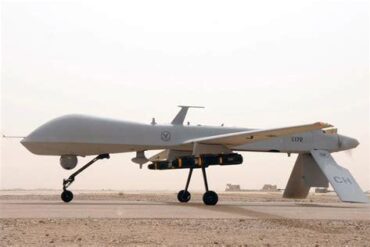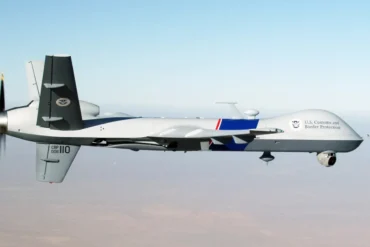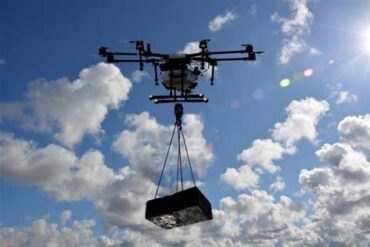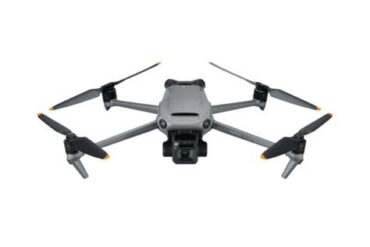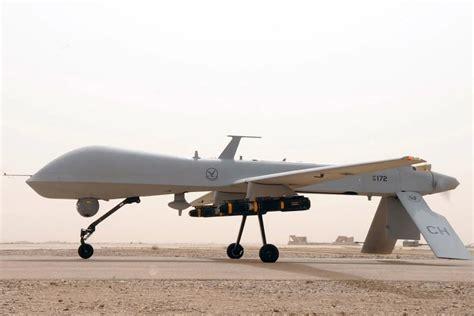
Military Predator drones are among the most advanced unmanned aerial systems (UAS) in the world, combining cutting-edge technology with unmatched operational versatility. These drones are pivotal to modern warfare, enabling critical missions ranging from surveillance to precision strikes. However, this advanced capability comes at a significant cost, influenced by numerous factors, including technology, operational range, and international regulations. In this article, we break down the costs associated with Predator drones, exploring the factors that drive their pricing and why they remain a cornerstone of military operations globally.
Key Factors Influencing the Cost of Military Predator Drones
Several critical factors determine the overall cost of a military Predator drone. These include the complexity of the technology, operational requirements, and compliance with international laws. Understanding these factors provides insights into why these drones are priced at a premium:
1. Advanced Technological Capabilities
The primary driver of a Predator drone’s cost is its sophisticated technology. These drones are equipped with high-resolution cameras, thermal imaging, advanced sensors, and secure communication systems, making them indispensable for high-stakes missions. Additionally, Predator drones feature state-of-the-art flight control systems, autonomous navigation, and powerful data encryption to protect sensitive military communications.
2. Operational Range and Payload Capacity
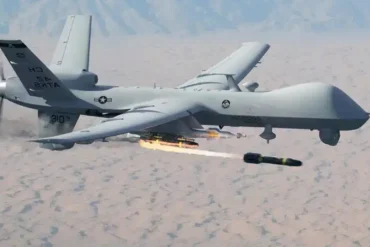
Predator drones like the MQ-1 Predator and MQ-9 Reaper are designed for long-endurance missions, with the ability to remain airborne for over 24 hours. This endurance, combined with their capacity to carry significant payloads, including precision-guided munitions, contributes significantly to their cost. The MQ-9 Reaper, for instance, can carry up to 3,750 pounds of ordnance, including Hellfire missiles and laser-guided bombs, making it a formidable asset in modern warfare.
3. Compliance with International Regulations
Operating military drones involves navigating a complex web of international regulations and airspace restrictions. This compliance ensures that drones do not violate sovereign airspace, leading to costly integration of geofencing technology and real-time flight path adjustments.
4. Research and Development (R&D) Investments
The development of cutting-edge drone technology requires extensive R&D, which is reflected in the final unit price. Companies like General Atomics invest billions to enhance the performance, stealth, and survivability of these drones, pushing the boundaries of what autonomous systems can achieve.
Types of Military Predator Drones and Their Costs
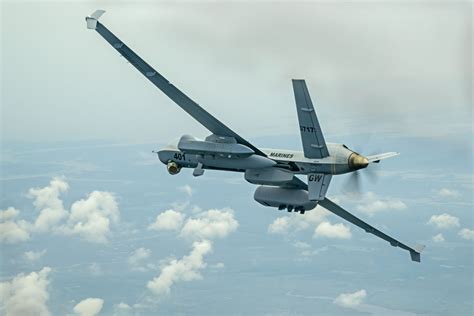
The Predator family of drones comes in various models, each designed for specific military applications. These include:
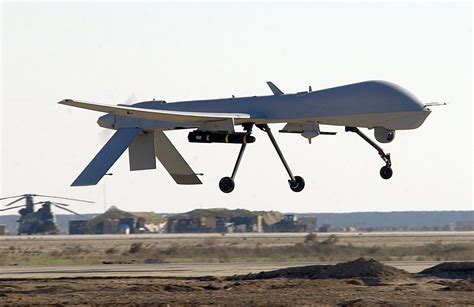
MQ-1 Predator
- Cost: Approximately $4 million per unit
- Range: 770 miles
- Endurance: 24 hours
- Speed: 135 mph
- Payload Capacity: 450 pounds
- Primary Use: Intelligence, surveillance, and reconnaissance (ISR)
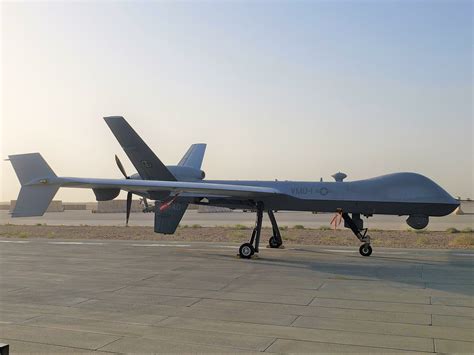
MQ-9 Reaper
- Cost: Approximately $32 million per unit (including support systems)
- Range: 1,150 miles
- Endurance: 27 hours
- Speed: 300 mph
- Payload Capacity: 3,750 pounds
- Primary Use: Armed reconnaissance, close air support, precision strike
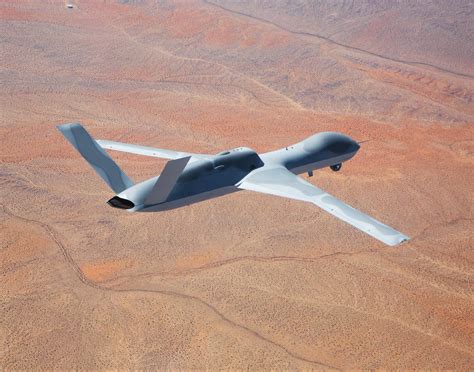
Avenger (Predator C)
- Cost: Estimated $15 million per unit
- Range: 1,600 miles
- Endurance: 20 hours
- Speed: 460 mph
- Payload Capacity: 3,000 pounds
- Primary Use: High-speed strike missions, ISR
The Impact of Maintenance and Operational Costs
In addition to the upfront cost, maintaining and operating these drones adds a substantial financial burden. The MQ-9 Reaper, for instance, requires a dedicated team for real-time piloting, intelligence analysis, and maintenance, further increasing its lifetime operational cost.
Future Trends and Cost Outlook
As technology advances, the cost of military drones may see a reduction as economies of scale and automated production improve efficiency. However, with ongoing R&D to improve stealth, AI capabilities, and cyber resilience, the price of top-tier drones like the Predator is likely to remain high in the foreseeable future.
Conclusion
Military Predator drones are more than just sophisticated pieces of technology; they represent a critical component of modern military strategy. Their high cost reflects not only the advanced technology and engineering required to produce them but also the vital role they play in maintaining global security and strategic superiority. As drone technology continues to evolve, the Predator family will likely remain at the forefront, pushing the limits of what unmanned aerial systems can achieve in combat scenarios.