The idea of crossing the Atlantic in just a few hours once sounded improbable, reserved for premium jets or niche routes. Yet in 2026, United Airlines is redefining expectations, quietly building a network of remarkably short transatlantic flights that compress geography and reshape traveler behavior. With as many as 95 daily long-haul departures across the Atlantic system, the airline is not just expanding—it is optimizing.
What stands out most is not the scale, but the precision of route design. These shortest transatlantic services—some clocking in at barely over four hours—represent a deliberate shift toward high-efficiency, high-frequency connectivity between North America and Europe’s western edge.
Why Ultra-Short Transatlantic Flights Are Strategically Powerful
Short-haul transatlantic routes occupy a unique sweet spot. They combine the revenue potential of international travel with the operational simplicity of medium-haul flying. For United, this translates into faster aircraft utilization, lower fuel burn per route, and more flexible scheduling.
Unlike traditional long-haul routes to central or eastern Europe, these flights are:
- Less exposed to crew duty constraints
- Easier to operate with narrowbody aircraft
- More adaptable to seasonal demand swings
This is why aircraft like the Boeing 737 MAX 8 and Boeing 757-200 dominate these routes. They offer the perfect balance between range and efficiency, allowing United to profitably serve thinner markets without overcommitting capacity.
The 4-Hour Benchmark: Newark to Nuuk
At the very top of United’s shortest transatlantic list sits an unusual but fascinating route: Newark to Nuuk, Greenland, with a minimum block time of just 4 hours and 20 minutes.
This service, launched in 2025, challenges traditional definitions of transatlantic travel. While some debate whether Greenland qualifies as a “true” transatlantic destination, the operational reality is undeniable: it crosses the Atlantic and does so faster than many domestic U.S. flights.
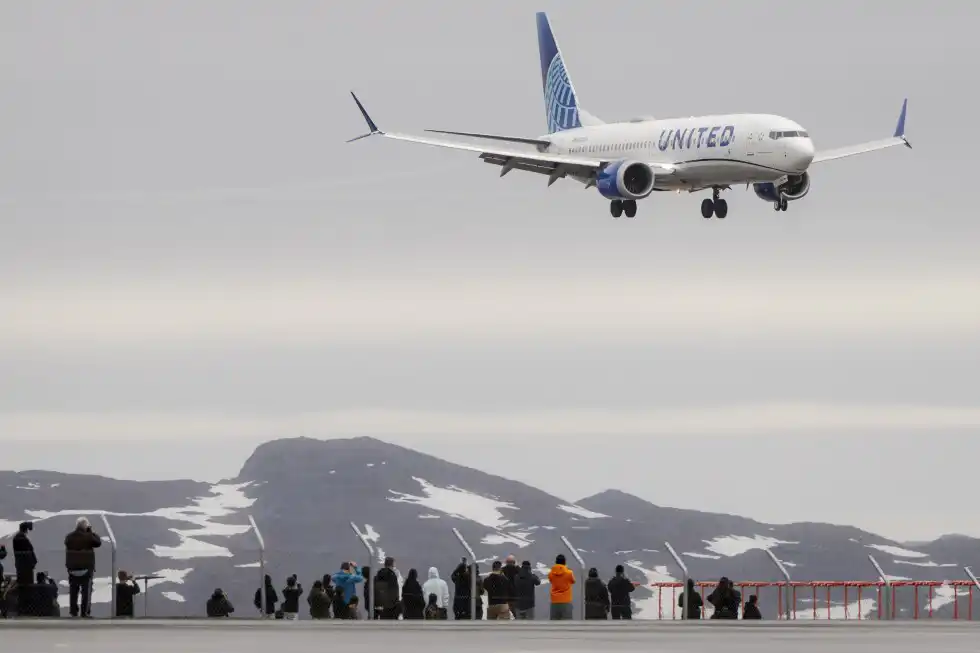
The route operates twice weekly using the 737 MAX 8, highlighting United’s willingness to experiment with underserved markets. Nuuk, though small, represents a growing niche for adventure tourism and strategic connectivity in the Arctic region.
The Atlantic Sweet Spot: 5 to 6 Hours of Flight Time
Beyond Nuuk, the majority of United’s shortest routes fall into a 5 to 6.5-hour window, connecting the U.S. East Coast with Atlantic islands and Western Europe.
Key examples include:
- Newark to Ponta Delgada (Azores) – 5h 35m
- Newark to Keflavik (Iceland) – 5h 40m
- Washington Dulles to Keflavik – 5h 55m
- Chicago O’Hare to Keflavik – 6h 15m
These routes are not random—they form a geographical arc across the North Atlantic, linking major U.S. hubs with strategically located islands that act as gateways into Europe.
Iceland’s Rising Importance in United’s Network
Few regions illustrate this strategy better than Iceland. Since entering the market in 2018, Iceland has evolved into a key transatlantic node for United.
By 2026, the airline operates three routes to Keflavik, including a new service from Washington Dulles—a first for any U.S. carrier.
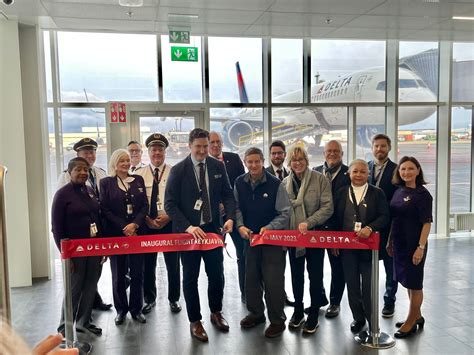
This expansion comes at a pivotal moment. Passenger traffic to Iceland dipped by 18% in 2025, yet load factors improved, suggesting stronger demand concentration. United is responding boldly, increasing seat capacity by 40% over previous records.
The bet is clear: Iceland is no longer just a destination—it is a transatlantic bridge market.
Newark: The Undisputed Gateway Hub
At the heart of these operations lies Newark Liberty International Airport, United’s primary launchpad for short transatlantic routes.
From Newark, the airline operates flights to:
- Dublin
- Shannon
- Lisbon
- Glasgow
- Madeira
- Ponta Delgada
This concentration creates a powerful hub-and-spoke ecosystem, where passengers from across North America can connect seamlessly onto short transatlantic sectors.
Madeira: A Niche Route That’s Quietly Winning
One of the most intriguing additions is the Newark–Madeira route, serving the lush Portuguese island via Funchal Airport.

Operating at around 6 hours and 35 minutes, this route is notable not just for its scenery, but for its performance. In its first season, United achieved a 74.9% load factor, significantly outperforming previous operators.
Encouraged by this, the airline increased frequencies by nearly 20% in 2026, signaling confidence in demand driven by:
- Leisure travelers seeking unique destinations
- Strong connectivity through Newark
- Reduced competition after other carriers exited
Short Flights, Widebody Experience
Not all short transatlantic routes are operated by narrowbody aircraft. A standout example is Newark to Dublin, clocking in at about 6 hours and 35 minutes.
Despite its relatively short duration, the route often features widebody aircraft like the Boeing 777-200ER, offering passengers a long-haul cabin experience on a medium-haul flight.
This creates a compelling value proposition:
- Lie-flat seats on shorter journeys
- Premium service without long travel fatigue
- Increased appeal for business travelers
Seasonality and Tactical Flexibility
United’s transatlantic schedule fluctuates between 71 and 110 daily departures, reflecting a finely tuned response to seasonal demand.
Summer sees peak frequencies, especially to leisure-heavy destinations like:
- Iceland
- Ireland
- Portugal’s islands
Winter, by contrast, trims capacity while maintaining key business routes. This dynamic scaling ensures profitability while preserving network relevance year-round.
The Competitive Edge of Short Transatlantic Flying
What makes these routes truly powerful is their ability to reshape competition. By focusing on shorter sectors, United can:
- Enter underserved markets with lower risk
- Compete with European leisure carriers on efficiency
- Offer faster total journey times than indirect routes
In many cases, a 5.5-hour nonstop flight beats a longer connecting itinerary, even if the distance is similar.
A Glimpse Into the Future of Transatlantic Travel
These ultra-short transatlantic routes hint at a broader industry shift. As aircraft become more efficient and data-driven scheduling improves, airlines will increasingly prioritize:
- Point-to-point connectivity over traditional hubs
- Niche destinations with strong seasonal demand
- Shorter, high-frequency international routes
For passengers, this means more choice, shorter travel times, and access to destinations once considered remote.
For United, it cements a strategic advantage: owning the fastest crossings of the Atlantic.
And for the industry as a whole, it signals something bigger—the Atlantic is no longer a barrier. It’s becoming a corridor measured not in oceans, but in hours.