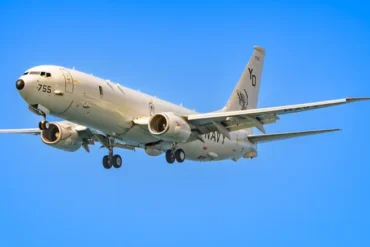
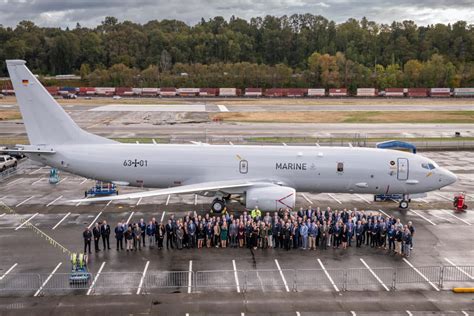
On July 10, 2025, the U.S. Navy marked a pivotal milestone in maritime aviation by taking delivery of the first fully overhauled P-8A Poseidon maritime patrol aircraft under a long-term maintenance and modernization contract awarded to L3Harris Technologies. The delivery, completed at the company’s Waco, Texas facility, underscores a broader strategic commitment to maintaining fleet readiness and extending the operational lifespan of one of the Navy’s most vital reconnaissance platforms.
Strategic Overhaul Initiative to Sustain Naval Superiority
The delivery is the first of 139 aircraft covered under a contract awarded on September 30, 2024, by the U.S. Naval Air Systems Command (NAVAIR). The initiative is designed to sustain the mission availability rate of the P-8A fleet while ensuring compatibility with future upgrades and evolving threat environments. L3Harris has begun maintenance work on seven aircraft simultaneously, with nine expected to enter overhaul within the program’s first year. Scheduled to run through September 2029, the contract represents a cornerstone of the Navy’s lifecycle sustainment strategy.
This holistic maintenance approach incorporates:
- Structural refurbishments to address fatigue and corrosion.
- Avionics upgrades to modernize navigation, flight control, and mission systems.
- Component overhauls, including engines, landing gear, and auxiliary power units.
- Comprehensive systems testing to validate operational readiness post-modification.
A Technological Powerhouse in the Skies
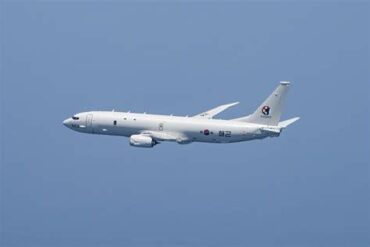
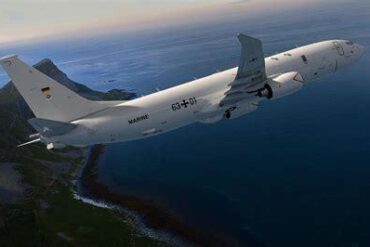
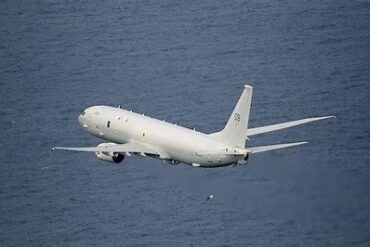
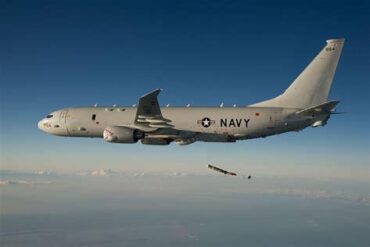
Derived from the commercial Boeing 737-800ERX airframe, the P-8A Poseidon is a purpose-built military asset designed for maritime patrol, anti-submarine warfare (ASW), anti-surface warfare (ASuW), and intelligence, surveillance, and reconnaissance (ISR) operations. The aircraft features military-specific adaptations, including a weapons bay, eleven external hardpoints, and advanced mission system integration.
Equipped with two CFM56-7B27A turbofan engines, each delivering 27,300 pounds of thrust, the P-8A has a top speed of 907 km/h, a ferry range of 8,300 kilometers, and operates up to a service ceiling of 12,500 meters. Its formidable armament includes:
- AGM-84 Harpoon anti-ship missiles
- AGM-84H/K SLAM-ER
- Mk 54 lightweight torpedoes
- HAAWC (High-Altitude Anti-Submarine Warfare Weapon Capability)
- Depth charges
The Poseidon’s suite of sensors is equally advanced, with tools like the Raytheon AN/APY-10 radar, AN/ALQ-240 electronic support measures, and the AN/APS-154 Advanced Airborne Sensor, all supporting diverse and complex mission sets across the globe.
Depot-Level Support: Modernization Through Precision
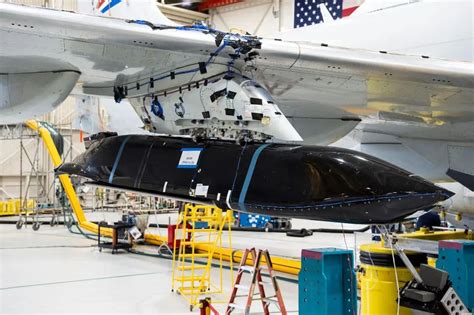
At the heart of the current overhaul program is a rigorous depot-level maintenance process designed to restore and upgrade the aircraft at scale. This includes:
- Structural Inspections and Corrosion Mitigation: Special focus on high-wear components to reduce airframe fatigue.
- Fatigue Testing and Composite Repairs: Reinforcement of critical structures for extended service life.
- Radome Integrity Checks: Ensuring uninterrupted radar performance.
- Avionics Modernization: Integration of next-gen mission computers and flight management systems.
- Hydraulic and Environmental Systems Overhaul: Revitalizing cabin systems and control surfaces.
- Component-Level Restoration: Overhaul of engines, actuators, landing gear, and auxiliary systems.
To ensure consistent quality and faster turnaround, L3Harris employs robotic and automated fabrication tools, especially in precision structural work. These measures are essential in keeping the aircraft deployment-ready during periods of heightened global operational tempo.
Supporting Global Operations and Joint Missions
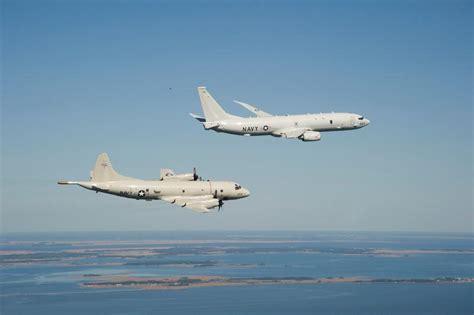
Since its operational debut in 2013, the P-8A Poseidon has been integral to the Navy’s maritime patrol capability, replacing the aging P-3C Orion. The aircraft has participated in high-profile multinational exercises such as RIMPAC, Bold Alligator, and Joint Warrior, as well as forward-deployed missions in Okinawa, Singapore, and the United Kingdom. It has also played key roles in humanitarian and search-and-rescue operations like the MH370 search in 2014 and the SS El Faro recovery in 2015.
With aerial refueling capabilities via USAF boom tankers like the KC-135 and KC-46, and interoperability with unmanned platforms such as the MQ-4C Triton, the P-8A’s integration within the broader Navy ecosystem is both flexible and future-proof.
International Operators Expand the Poseidon’s Reach
The P-8A has evolved into a critical platform not only for the U.S. Navy but also for allied forces. Countries currently flying the Poseidon include:
- India (P-8I variant with magnetic anomaly detector)
- Australia
- United Kingdom
- Norway
- New Zealand
- South Korea
- Germany
Most recently, Canada formalized a purchase of 16 P-8A aircraft in November 2023, totaling CA$10.4 billion, with deliveries expected between 2026 and 2027. Additionally, Denmark entered a leasing agreement with Norway in 2025 to utilize P-8A platforms for joint regional maritime operations. Several other nations, including Brazil, Saudi Arabia, Singapore, Turkey, and Italy, are evaluating procurement options, driven by the aircraft’s proven performance in contested maritime environments.
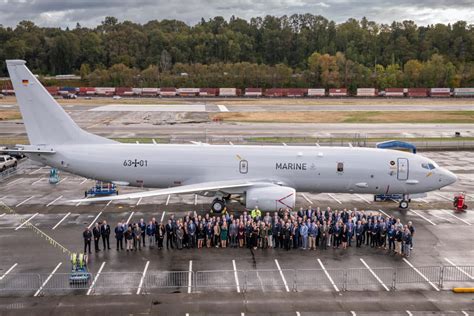
L3Harris: Leveraging Legacy to Drive Innovation
L3Harris’ extensive experience supporting the P-3 Orion laid the foundation for its current role as a key player in Poseidon sustainment. Over decades, the company has provided tailored services to U.S. government agencies, NOAA, and allied military clients. The company’s Waco facility is now at the forefront of next-generation military aircraft MRO (Maintenance, Repair, and Overhaul).
The integration of the first upgraded aircraft serves not only as a milestone but as a validation of a broader U.S. Navy strategy focused on fleet sustainment, mission readiness, and technological continuity. L3Harris’ comprehensive overhaul program reinforces the Navy’s goals by aligning sustainment with the long-term roadmap for MPRA (Maritime Patrol and Reconnaissance Aircraft) evolution, including training systems, future capability insertions, and potential structural life extensions.
Maintaining Momentum Through 2029 and Beyond
With over 185 Poseidon aircraft produced by Boeing and deployed worldwide, the need for consistent and scalable maintenance support has never been more urgent. The aircraft are routinely deployed to sensitive areas such as the Arctic, Indo-Pacific, and Atlantic, with increasing exposure to potential peer adversary intercepts, including those involving Chinese and Russian aircraft.
The strategic importance of this MRO program becomes clear when considering recent incidents like the MCAS Kaneohe Bay overrun in November 2023, which highlighted the operational stress endured by high-tempo surveillance platforms. The Navy’s ability to restore these aircraft swiftly and effectively is key to maintaining mission continuity and ensuring fleet-wide technical standardization.
Over the next four years, the overhaul initiative led by L3Harris is expected to facilitate not just airframe restoration but also pave the way for technology upgrades, interoperability enhancements, and long-term allied integration. By 2029, the U.S. Navy’s Poseidon fleet will be better positioned to tackle emerging challenges in undersea warfare, contested littoral operations, and global ISR missions.
As adversaries increase their naval footprints and develop counter-ISR capabilities, the timely delivery of upgraded platforms like the P-8A ensures that the U.S. Navy—and its partners—remain a step ahead in maritime dominance. The integration of the first overhauled Poseidon is more than a maintenance achievement—it is a statement of intent for sustained maritime superiority through technological resilience and operational readiness.