The U.S. Coast Guard’s medium endurance cutter USCGC Active (WMEC-618) has returned triumphantly to Port Angeles, Washington, following a high-intensity 60-day deployment in the Eastern Pacific Ocean. Conducted under Operation Pacific Viper, this deployment resulted in the seizure of over 6,000 pounds (approximately 3 tons) of cocaine, with an estimated street value of $41.3 million—a formidable blow to transnational drug trafficking networks operating across maritime routes.
Strategic Success in Operation Pacific Viper
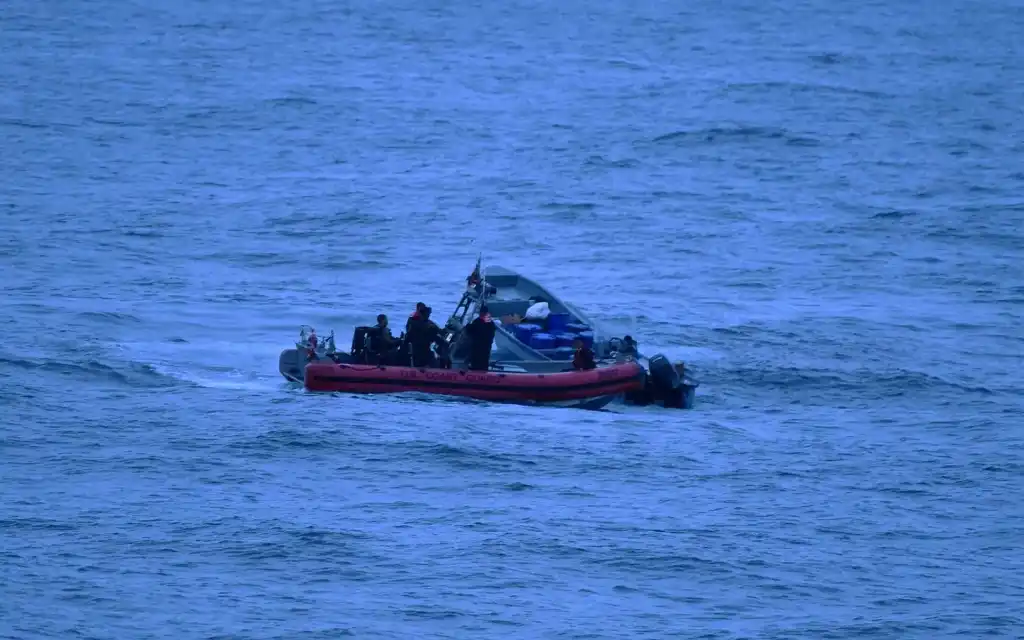
During its patrol, USCGC Active interdicted two smuggling vessels, each meticulously engineered to evade radar detection and Coast Guard patrols. These go-fast boats—one 30 feet and the other 40 feet in length—were intercepted in international waters within a 72-hour period. These operations alone led to the confiscation of 3,300 pounds (1,497 kg) and 2,400 pounds (1,089 kg) of cocaine, respectively. The apprehended suspects were transferred to federal authorities for prosecution, and the seized drugs were offloaded in San Diego.
Medium Endurance Cutter: Force Multiplier on the High Seas
As a medium endurance cutter, USCGC Active represents the critical middle tier of the Coast Guard’s offshore enforcement fleet. Equipped with long-range patrol capabilities, the vessel is uniquely suited to operate independently for extended periods in high-threat drug transit zones. Its onboard systems include:
- Mk 92 Mod 1 fire control system paired with SPS-78 radar, which facilitates the detection and tracking of small, high-speed boats often used in smuggling.
- AN/SLQ-32A(V)2 electronic warfare suite for signal detection and countermeasures.
- Mark 36 SRBOC decoy launchers, enhancing defense against potential hostile threats.
These capabilities provide USCGC Active with the situational awareness and force protection needed to engage with increasingly aggressive and sophisticated smuggling operations.
Firepower and Aviation Integration
The cutter’s firepower enables both escalation-of-force and self-defense, featuring:
- An OTO Melara Mark 75 76mm naval gun, capable of precision targeting at sea.
- Two .50 caliber machine guns, used for warning shots and disabling suspect vessels.
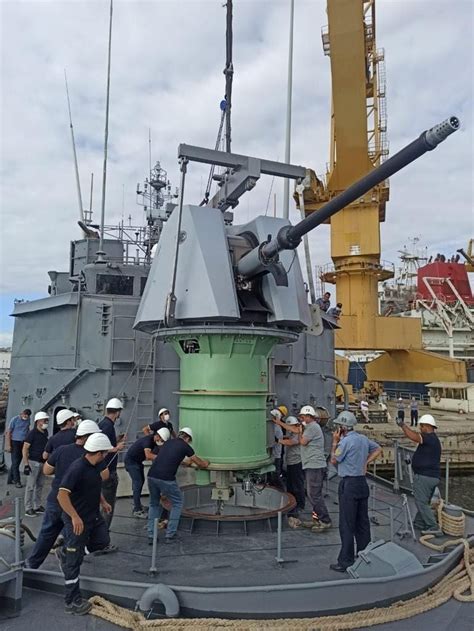
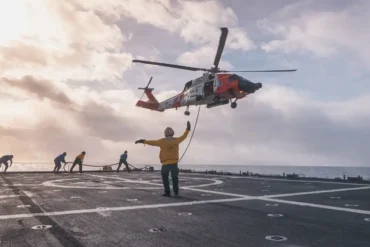
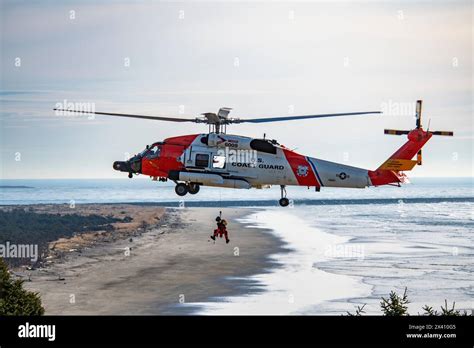
Complementing these systems is the vessel’s aviation capability, which includes a flight deck and hangar for either HH-65 Dolphin or HH-60J Jayhawk helicopters. These aircraft serve as eyes in the sky, extending the cutter’s reach and enabling rapid detection, pursuit, and interdiction of targets well beyond visual or radar range. Rotary-wing assets frequently act as force multipliers, especially when coordinating pursuits of high-speed targets.
Operation Pacific Viper: A Surge Strategy
Operation Pacific Viper is a surge deployment designed to saturate known maritime drug routes with Coast Guard air and sea power. This proactive forward-operating approach shifts the fight against narcotics far offshore, reducing the risk of illicit cargo reaching U.S. soil. Rather than relying solely on border interdiction or coastal patrols, the operation targets smuggling vessels hundreds of miles out to sea, often in collaboration with other assets in the region.
By assigning USCGC Active to this mission, the Coast Guard placed one of its most seasoned assets into one of the most contested maritime environments. The cutter’s successful deployment affirms the strategic necessity of offshore operations in the fight against drug trafficking.
The Enduring Legacy of “Lil Tough Guy”
Commissioned in 1966, USCGC Active is the oldest major cutter operating in the Coast Guard’s Pacific Area. Affectionately nicknamed the “Lil Tough Guy,” the vessel continues to demonstrate that age does not preclude effectiveness. With decades of operational experience, the cutter remains fully capable of:
- Maritime law enforcement
- Search and rescue missions
- Environmental and resource protection
Its recent 10,000-nautical-mile deployment not only underscores the vessel’s durability but also showcases the impact of experienced crews operating within well-maintained legacy platforms. Despite advancements in naval architecture and electronics, the Active proves that mission success depends just as much on crew proficiency and operational coordination as it does on cutting-edge technology.
A Maritime Battlefront Against Transnational Crime
In recent years, criminal cartels have increasingly shifted to maritime channels to transport vast quantities of cocaine toward the United States. These smuggling routes span remote sections of the Eastern Pacific Ocean, making them difficult to monitor without a robust, persistent maritime presence. Medium endurance cutters like USCGC Active are uniquely suited to this challenge.
They combine the jurisdictional authority of the Coast Guard, which operates across both military and law enforcement domains, with the tools to detect, disrupt, and interdict vessels far beyond U.S. territorial waters. The success of Active’s recent mission exemplifies this unique blend of legal reach and operational force.
Disrupting Cartel Economics
The seizure of over 6,000 pounds of cocaine translates to a massive disruption in cartel logistics and revenue streams. Each interdiction prevents these drugs from being sold on U.S. streets, undermining cartel operations and reinforcing domestic public safety. By striking deep into the supply chain, the Coast Guard ensures that its operations have both immediate tactical value and long-term strategic effects.
Forward Defense: The Future of U.S. Maritime Security
As maritime smuggling tactics evolve, the Coast Guard’s response must continue to adapt. Operations like Pacific Viper are part of a broader strategy to extend U.S. defensive lines well beyond domestic borders. This forward defense model emphasizes:
- International collaboration with regional partners.
- Multi-domain awareness, including satellite and drone surveillance.
- Persistent offshore presence with cutters and aviation assets.
USCGC Active’s performance in this mission demonstrates that even legacy platforms, when integrated into modern operational frameworks, can remain critical to U.S. national security. Looking forward, the success of this deployment reinforces the need to invest in medium endurance capabilities, whether through modernization programs or new acquisitions.
Conclusion: A Cutter’s Fight, A Nation’s Security
The USCGC Active’s 2025 Eastern Pacific deployment serves as a resounding example of how targeted maritime operations can severely impact criminal enterprises. From interdicting go-fast boats in open waters to working seamlessly with aerial surveillance, the cutter’s crew delivered operational excellence across the board.
As narcotics trafficking continues to pose a complex transnational threat, the U.S. Coast Guard’s strategy of offshore interdiction and surge deployments—exemplified by Operation Pacific Viper—remains a linchpin in the nation’s counterdrug efforts. With vessels like the “Lil Tough Guy” leading the charge, the seas are becoming an increasingly hostile environment for traffickers attempting to breach U.S. maritime defenses.