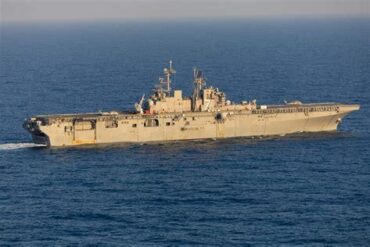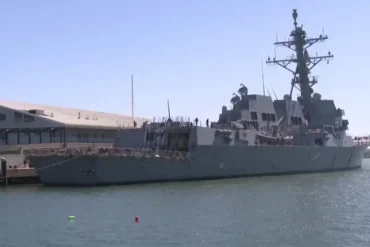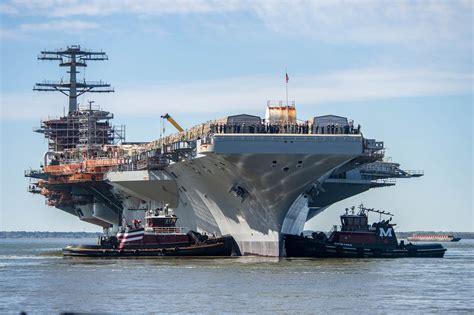
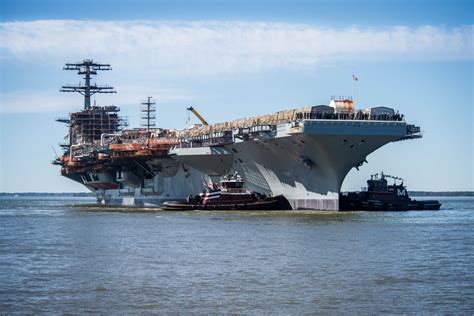
The USS John C. Stennis (CVN 74), one of the United States Navy’s most formidable Nimitz-class nuclear-powered aircraft carriers, has entered a prolonged period of inactivity, marking a critical juncture in the operational rhythm of the U.S. Navy’s maritime strategy. This vessel, which has been a keystone of American naval dominance for over two decades, is undergoing a comprehensive and exacting process known as Refueling and Complex Overhaul (RCOH)—a once-in-a-lifetime event that defines the halfway point in the 50-year life of a Nimitz-class carrier.
The Legacy and Power of the USS John C. Stennis
Commissioned in 1995, the USS John C. Stennis has played a vital role in projecting U.S. military power across the globe. As a floating fortress equipped to carry over 60 aircraft, supported by a crew of more than 5,000 sailors and airmen, this nuclear-powered leviathan has patrolled the world’s oceans with unparalleled reach and endurance. Named after the influential U.S. Senator John C. Stennis, the vessel has participated in numerous critical missions, including Operation Enduring Freedom and Operation Iraqi Freedom, serving as a beacon of deterrence and tactical prowess.
At 1,092 feet in length, powered by two nuclear reactors, and displacing over 100,000 tons when fully loaded, the USS John C. Stennis embodies the apex of maritime engineering. Its unlimited range and formidable armament make it an essential asset in America’s naval doctrine.
What is Refueling and Complex Overhaul (RCOH)?
An RCOH is more than just routine maintenance—it’s a meticulous reconstruction of the vessel from keel to mast. Conducted only once in a carrier’s lifetime, usually around the 25-year mark, RCOH is akin to giving the warship a second birth. The process includes refueling the ship’s nuclear reactors, replacing worn-out systems, and upgrading technological infrastructure to match modern combat and operational requirements.
Everything from the propulsion system to the combat suites, radar arrays, and communications infrastructure is overhauled. Moreover, the ship’s living quarters, hull integrity, electronic warfare capabilities, and even the flight deck are modernized. By the time an RCOH is completed, the carrier is essentially brand-new—technologically current and strategically invaluable.
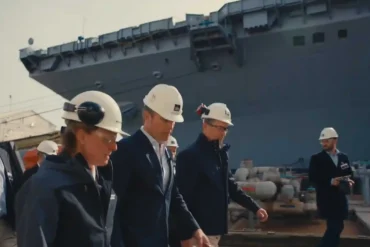
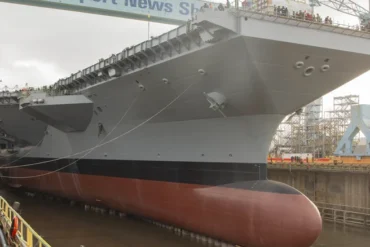
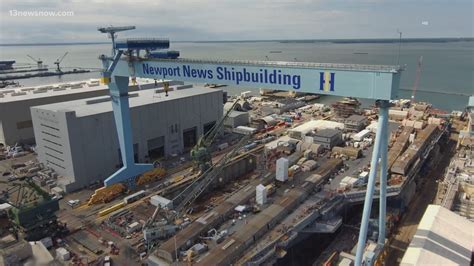
The USS John C. Stennis began its RCOH on May 6, 2021, at the Newport News Shipbuilding yard in Virginia, the only shipyard in the U.S. certified to perform such an intensive overhaul on a nuclear-powered aircraft carrier.
Why the RCOH Process Takes So Long
Given its complexity, the RCOH process is inherently lengthy. It is not uncommon for it to take four to six years, and in the case of the USS John C. Stennis, current projections place its return to active duty no earlier than October 2026. That amounts to more than five and a half years of downtime.
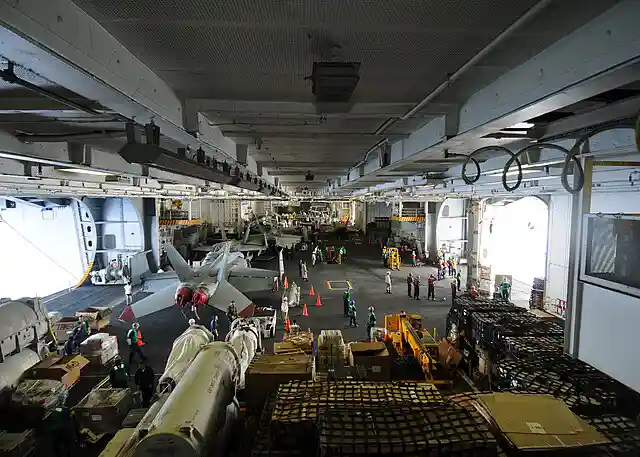
Every inch of the ship is scrutinized. Thousands of individual systems must be tested, repaired, or replaced. The nuclear refueling alone involves extreme precision, safety protocols, and specialized labor. In addition, the scope of technological upgrades is expansive—incorporating advanced radar, electromagnetic launch systems, and electronic countermeasure tools to prepare the ship for 21st-century conflict scenarios.
Furthermore, pandemic-induced disruptions and global supply chain issues have wreaked havoc on schedules. The RCOH for the USS George Washington (CVN‑73), the most recent Nimitz-class vessel to complete the process, stretched from 2017 to 2023 and cost $2.8 billion. These delays had a cascading effect, setting back the timeline for the USS John C. Stennis.
Strategic and Logistical Implications of the Delay
The operational tempo of the U.S. Navy is already strained. With only 11 aircraft carriers in the fleet—and not all of them operational at the same time—each ship’s availability is crucial. The extended absence of the USS John C. Stennis places a heavier burden on the remaining carriers, which are now required to deploy more frequently and for longer durations. This increased strain accelerates wear and tear on both the vessels and their crews, potentially affecting overall readiness.
More concerning is the logistical bottleneck. The Newport News shipyard is the sole facility handling RCOH operations for the Navy. Delays in completing the Stennis refit may jeopardize the scheduled overhaul of the next ship in line—USS Harry S. Truman (CVN-75)—thereby creating a domino effect that could undermine future naval preparedness.
Economic Costs and the Price of Delay
Each RCOH is a multi-billion dollar endeavor, with projected costs ranging from $2.5 to $3 billion. Every month of delay can lead to millions in additional labor, materials, and opportunity costs. While some of this investment goes toward critical technological improvements, any extension of the timeline further stretches limited defense budgets.
Critics argue that relying on a single shipyard for all carrier overhauls exposes the Navy to systemic risks. If industrial disruptions occur—whether due to labor shortages, material delays, or natural disasters—the entire U.S. Navy carrier overhaul schedule faces potential derailment.
However, the alternative—skipping RCOH altogether—is not viable. Without it, carriers would have to be retired decades earlier, forfeiting massive sunk costs and strategic value.
What’s Next for USS John C. Stennis?
Once the USS John C. Stennis completes its RCOH, it will return to service significantly modernized. It will feature state-of-the-art radar systems, electronic warfare upgrades, revamped propulsion, and enhanced crew accommodations. This will enable it to operate seamlessly with newer vessels like the Ford-class aircraft carriers, ensuring interoperability and battlefield effectiveness.
By late 2026, if all goes as scheduled, the USS John C. Stennis will be ready to reclaim its role in carrier strike groups, participate in joint operations, and uphold America’s maritime dominance through the 2040s and beyond.
Conclusion: A Strategic Investment Despite Challenges
The long and expensive RCOH process of the USS John C. Stennis serves as a sobering reminder of the cost and complexity of maintaining a world-class naval force. Yet, it is a strategic necessity, not a discretionary endeavor. In an age of renewed geopolitical rivalries and maritime assertiveness, maintaining the technological edge of the U.S. Navy’s carrier fleet is paramount.
As the global security environment evolves, the Navy must adapt—modernizing its fleet not just to deter conflict, but to win if deterrence fails. The USS John C. Stennis, reborn through RCOH, will rejoin that mission stronger than ever, ready to serve as a sentinel of American power in oceans near and far.