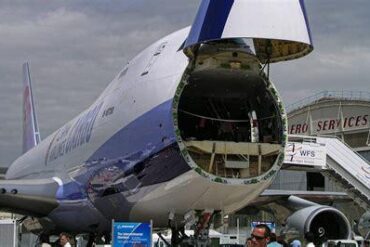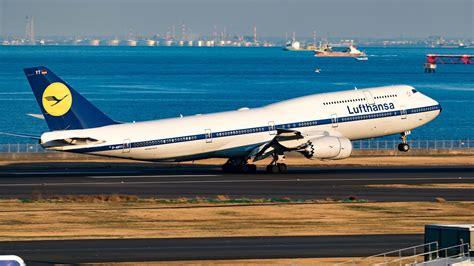
The Boeing 747, affectionately known as the Queen of the Skies, defined an era of long-haul travel when it first entered service in 1970. With its unmistakable hump-backed design, four powerful engines, and transcontinental range, the 747 transformed air travel by making it accessible to the masses. For over five decades, it served as the flagship for major airlines around the world, but the aviation industry is now rapidly moving toward more fuel-efficient, twin-engine widebody jets. The retirement of the 747 marks a poignant chapter in aviation history, but the future is already being shaped by a new generation of aircraft poised to take its place.
The Golden Legacy of the Boeing 747
When Boeing launched the 747 program in the 1960s, it responded to a call from Pan Am to create an aircraft with double the capacity of the 707. This bold move led to an engineering marvel. Joe Sutter, the legendary engineer at Boeing, led the development of the aircraft which would soon require a brand-new factory—the now-iconic Everett facility in Washington, the largest building by volume ever constructed.
Upon its first commercial flight in January 1970 from JFK to Heathrow, the 747 instantly became a game-changer. Its unique features included:
- Dual-deck fuselage for increased passenger capacity.
- Four high-thrust turbofan engines for long-range intercontinental service.
- Service ceiling of up to 45,000 feet for smooth, high-altitude travel.
Over the decades, variants such as the 747-400 and 747-8 offered upgraded avionics, extended ranges, and higher efficiency. Still, with evolving technology and rising fuel costs, quad-engine aircraft like the 747 began to fall out of favor.
The Airbus A350: A Composite Giant Built for Tomorrow
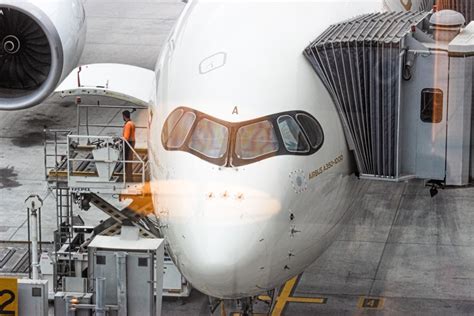
One of the clearest successors to the Boeing 747 is the Airbus A350, a widebody aircraft developed with an eye toward fuel efficiency and long-range flexibility. Initially conceptualized to counter Boeing’s 787 Dreamliner, Airbus went beyond by introducing a clean-sheet design that emphasized modern aerodynamics and material science.
With its carbon-fiber reinforced fuselage and wings, the A350 boasts:
- Two Rolls-Royce Trent XWB engines, each providing over 84,000 pounds of thrust.
- Range up to 9,000 nautical miles, exceeding the 747-400.
- Typical seating capacity for over 300 passengers in a three-class layout.
Singapore Airlines and Qatar Airways lead the charge in A350 operations, using the aircraft to replace aging 747s on ultra-long-haul routes with far greater fuel savings and lower emissions.
Boeing’s Answer: The 777X, A Mega Twin-Engine Titan
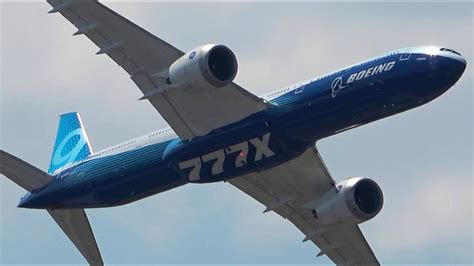
Boeing is not standing idle in the post-747 world. Its answer is the 777X series, the next evolution of the world’s best-selling widebody—the 777. Designed to carry a similar number of passengers as the 747 but with only two engines, the 777X features cutting-edge aerodynamics and propulsion technology.
Highlights include:
- General Electric GE9X engines, the largest and most powerful commercial jet engines ever built.
- Folding wingtips, allowing the aircraft to maximize wingspan efficiency while still fitting in standard airport gates.
- Projected range up to 8,745 nautical miles.
The 777-9, at over 250 feet in length, is actually longer than the 747-8 and will serve as a workhorse for airlines like Emirates, Lufthansa, and Cathay Pacific, which previously relied heavily on the 747.
The Boeing 787 Dreamliner: Efficiency at the Heart of the Sky
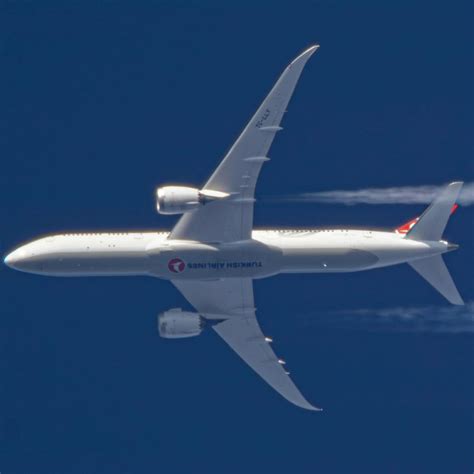
Another formidable 747 replacement is already flying worldwide—the Boeing 787 Dreamliner. Unlike the A350 and 777X, which also cater to higher capacity routes, the 787 targets mid-to-long-haul point-to-point flights, a trend that has grown in popularity as airlines move away from traditional hub-and-spoke models.
The Dreamliner features:
- An 80% composite airframe, reducing weight and improving corrosion resistance.
- Electric bleed-less systems to improve energy efficiency.
- Optional engines (GE or Rolls-Royce) each providing around 70,000 pounds of thrust.
- Ranges exceeding 7,500 nautical miles, depending on the variant.
The aircraft is also known for its passenger-centric cabin, including larger windows, higher humidity, and quieter interiors—qualities that have redefined comfort in long-haul travel.
A Shift in Strategy: Cargo Dominance and Passenger Efficiency
While only a handful of airlines like Korean Air, Lufthansa, and Rossiya still operate the 747 in passenger service, its future lies firmly in the freight sector. Companies like Atlas Air, UPS, and Cargolux continue to operate fleets of 747s due to their unmatched cargo capacity and nose-loading capability.
But for passenger travel, the writing is on the wall. Twin-engine widebodies offer superior fuel economy, lower maintenance costs, and greater operational flexibility, aligning perfectly with modern airline business models focused on sustainability and profitability.
Conclusion: The Queen’s Legacy Lives On
As the aviation world bids farewell to the 747 in commercial passenger service, its impact is undeniably lasting. The aircraft revolutionized global travel, inspired generations of engineers, and brought continents closer together. But the skies are now ruled by a new generation—composite-bodied, ultra-efficient, twin-engine giants like the A350, 777X, and 787. Each of these aircraft carries the torch of innovation first lit by the 747, ensuring that while the Queen of the Skies may be retired, her legacy will forever soar.