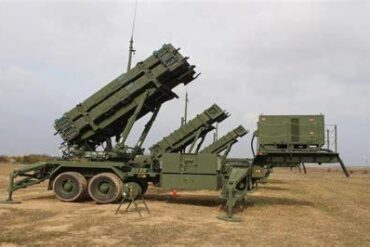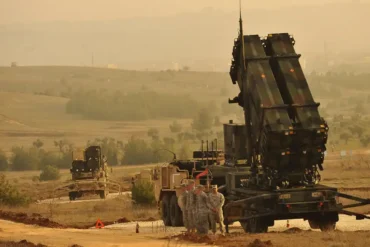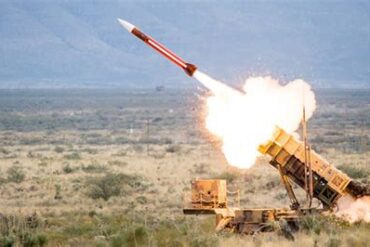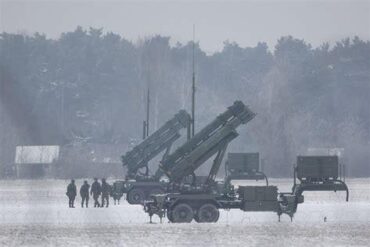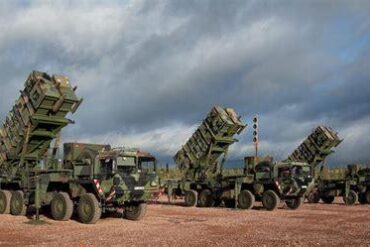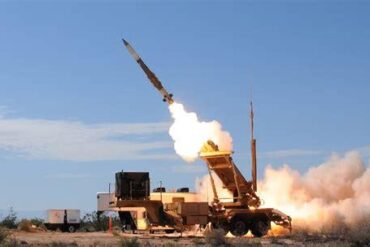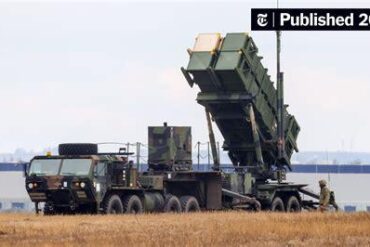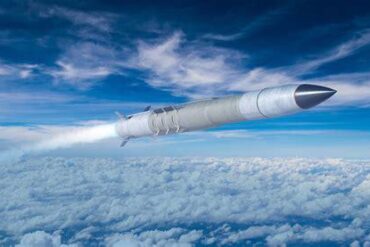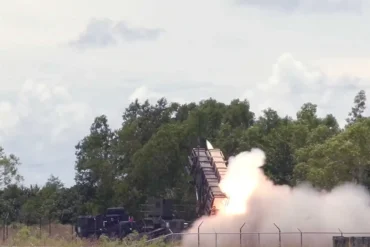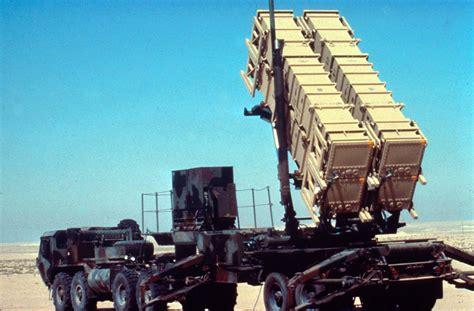
The Patriot missile system stands as one of the most iconic and battle-tested air defense platforms in modern military history. Designed to intercept and neutralize ballistic missiles, enemy aircraft, and even high-end drones, the Patriot system is more than just a missile — it’s a complex, multilayered defense solution that has safeguarded allied nations for decades. But where exactly are these powerful systems built, and who are the driving forces behind their production?
This article dives deep into the manufacturing origins of the Patriot system, the companies involved, their production facilities, and the global efforts to scale up its availability in the face of unprecedented demand.
Origins of the Patriot Missile System
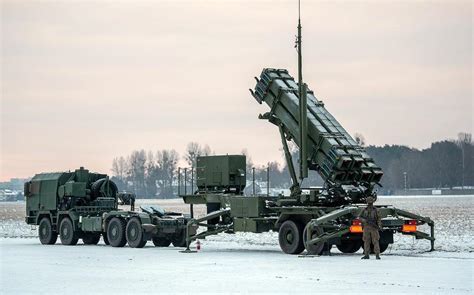
The Patriot missile system traces its roots back to the 1970s, originally developed under a project known as Surface-to-Air Missile – Development (SAM-D). In 1976, the program adopted its now-famous name — Patriot, symbolizing national pride and defense. Initially designed to replace the aging Nike-Hercules systems, the Patriot has since evolved into a state-of-the-art defense shield, incorporating advanced radars, guidance systems, and cutting-edge interceptors.
Over the decades, the Patriot has undergone multiple upgrades. From the original PAC-1 variant to the current PAC-3 MSE (Missile Segment Enhancement) configuration, the system has become faster, more precise, and more lethal, cementing its role as the backbone of U.S. and allied air defense networks.
Key Players in Production: Raytheon and Lockheed Martin
The Patriot system’s creation is the result of a strategic collaboration between two defense giants: Raytheon and Lockheed Martin.
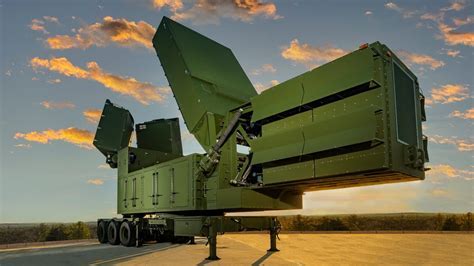
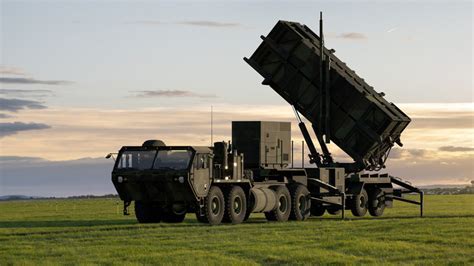
- Raytheon serves as the prime contractor, handling system integration, radar development, engagement control stations, and launcher units.
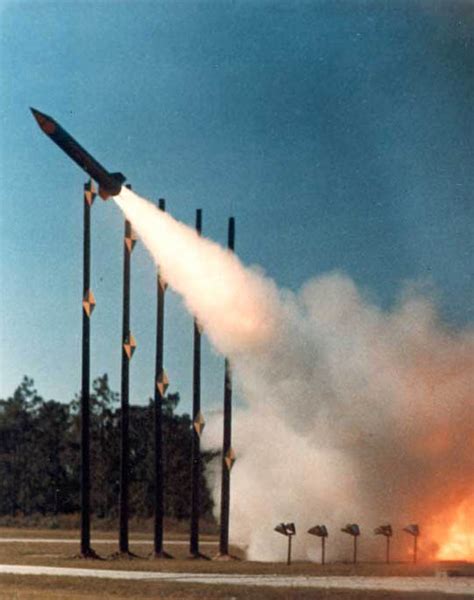
- Lockheed Martin takes responsibility for producing the PAC-3 family of missiles, which are at the heart of the system’s intercept capability.
This division of labor allows both companies to leverage their specialized expertise. While Raytheon focuses on building a robust defensive architecture, Lockheed Martin ensures the missiles themselves maintain a technological edge with hit-to-kill impact designs and autonomous in-flight guidance.
Where Are Patriot Missile Systems Built?
The production network for the Patriot system spans multiple states, with each facility handling different critical components.
Raytheon Facilities
Raytheon’s Integrated Defense Systems division operates primarily out of Andover, Massachusetts, where it produces the radar arrays, engagement control stations, and launcher platforms. Additional work on electronics and subsystems is performed at Raytheon sites in Tewksbury, Massachusetts, and McKinney, Texas.
Lockheed Martin Facilities
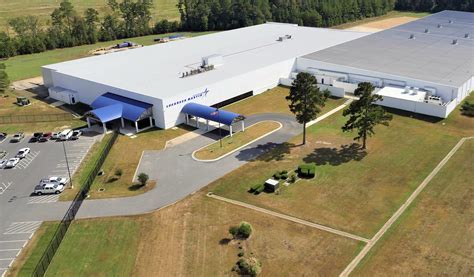
Lockheed Martin manufactures the PAC-3 interceptors at its Missiles and Fire Control facility in Camden, Arkansas, and its Orlando, Florida operations. These locations are essential for producing the PAC-3 MSE missiles, which are smaller, lighter, and capable of intercepting advanced ballistic and hypersonic threats.
Expanding Production to Europe
With global demand for Patriot systems skyrocketing, Raytheon has begun expanding its manufacturing footprint beyond the U.S. In collaboration with European defense industries, Germany and Spain are now hosting co-production projects to help meet NATO’s growing needs. By 2028, Raytheon aims to double global Patriot output, ensuring allied nations can rapidly deploy these systems as geopolitical threats intensify.
Data Overview: Where Key Components Are Built
| Component | Manufacturer | Location(s) |
|---|---|---|
| Radar System | Raytheon | Andover, MA; Tewksbury, MA |
| Engagement Control Station | Raytheon | Andover, MA |
| Launcher Units | Raytheon | Andover, MA |
| PAC-2 GEM-T Missiles | Raytheon | McKinney, TX |
| PAC-3 Missiles | Lockheed Martin | Camden, AR; Orlando, FL |
| European Co-Production | Raytheon + Partners | Germany, Spain |
Inside the Patriot System: What Makes It So Effective?
A Patriot battery is a comprehensive defense ecosystem rather than a single piece of equipment.
- Radar Systems: Can track up to 100 targets simultaneously, even in complex environments.
- Engagement Control Station: The command hub, operated by three soldiers, guiding the intercept process.
- Launchers: Up to eight launchers per battery, capable of carrying four PAC-2 missiles or 16 PAC-3 missiles each.
- Personnel: A full battery requires around 90 personnel for operations and support.
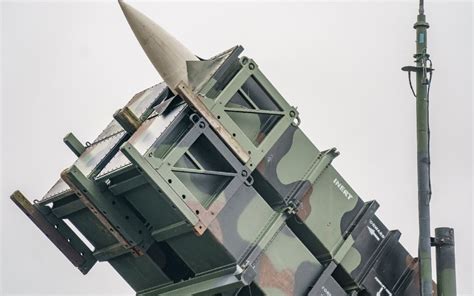
The PAC-3 MSE missiles bring a revolutionary hit-to-kill approach, using kinetic energy impact rather than explosive warheads, greatly improving precision and reducing collateral damage. They also feature onboard radar and navigation computers, giving them autonomous flight capabilities for intercept missions.
Global Demand and Strategic Importance
Over 18 countries currently deploy Patriot systems, including Japan, Israel, Saudi Arabia, Poland, Sweden, Switzerland, Romania, and several NATO allies. Poland and Romania have recently expanded their orders, strengthening NATO’s eastern defenses.
In 2024, Raytheon, through its joint venture COMLOG, secured a $5.6 billion contract to supply additional GEM-T missiles to NATO countries. With over 600 Patriot missiles produced annually, the system remains in high demand, especially after its extensive use in Ukraine and the Middle East.
However, this surge in global need has created shortages, prompting the U.S. to pause or limit certain overseas transfers while ramping up domestic and allied production capacity.
The Road Ahead: Doubling Output by 2028
Raytheon and Lockheed Martin are working to scale production significantly in the coming years. Through new partnerships in Europe and increased U.S. capacity, their aim is to double Patriot output by 2028, ensuring both U.S. forces and allied nations remain shielded against growing missile threats from adversaries like Iran, North Korea, and Russia.
This massive scale-up not only strengthens Western defense networks but also highlights the Patriot’s enduring relevance in an age of evolving aerospace and missile warfare.
FAQ
1. How many Patriot missile systems are currently deployed worldwide?
Over 18 countries have deployed Patriot systems, with hundreds of batteries stationed across the U.S., Europe, the Middle East, and Asia.
2. How much does a single Patriot system cost?
A full Patriot battery can cost between $1 billion and $1.2 billion, depending on configuration and missile loadout, making it one of the most expensive but highly effective air defense systems in the world.
3. What is the difference between the PAC-2 and PAC-3 missiles?
The PAC-2 GEM-T uses a traditional fragmentation warhead, while the PAC-3 MSE employs hit-to-kill technology, delivering higher precision and the ability to intercept advanced ballistic threats.