A Fleet Built for Power, But Not for Full Capacity
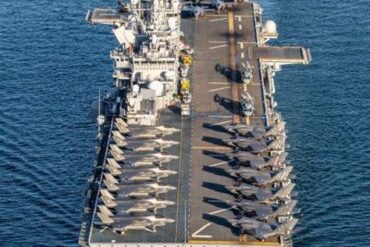
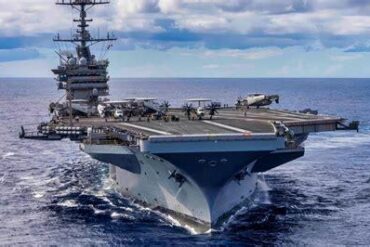
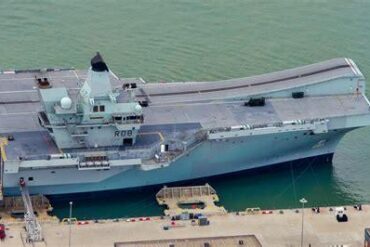
The United Kingdom’s Queen Elizabeth-class aircraft carriers were designed to project power on a global scale, symbolizing a return to blue-water naval aviation after years of decline. On paper, these massive 65,000-ton warships can each carry up to 36 F-35B Lightning II stealth fighters, forming the backbone of a modern carrier strike group. In reality, however, that vision is increasingly difficult to achieve.
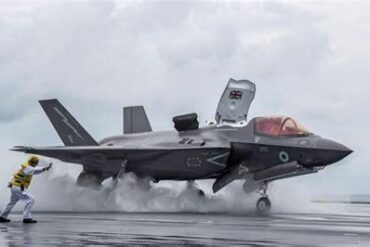
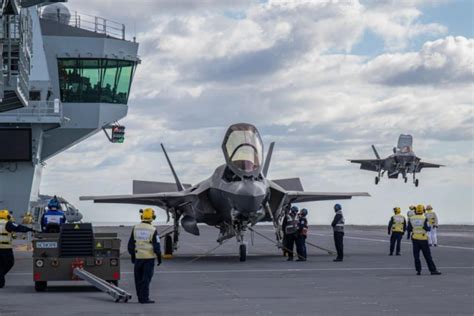
As of 2026, the UK has acquired fewer than 50 F-35B jets, with the actual operational number slightly lower due to losses and maintenance requirements. Even during peak deployments—such as the 2025 Indo-Pacific mission of HMS Prince of Wales—the largest embarked air wing reached only 24 aircraft. While impressive, this figure still falls significantly short of the carriers’ theoretical capacity.
This gap reflects more than temporary constraints. It signals a deeper shift in British defense strategy, shaped by financial pressure, evolving technology, and geopolitical uncertainty. The concept of routinely filling both carriers with F-35s is gradually being replaced by a more flexible and sustainable model of naval air power.
The Cost Spiral Reshaping Procurement Plans
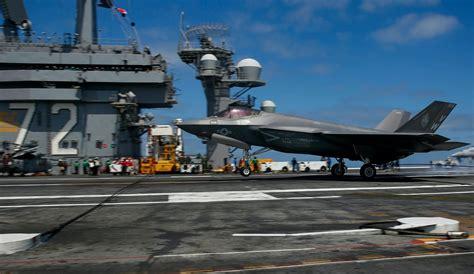
At the center of the issue lies a fundamental challenge: the F-35B is extremely expensive. While the conventional takeoff F-35A variant costs approximately $80–90 million per unit, the short takeoff and vertical landing (STOVL) F-35B variant rises to around $120–130 million per aircraft.
For the United Kingdom, the total lifetime cost of the F-35 program has exceeded £71 billion, raising serious concerns within government and defense circles. Every additional F-35B represents a substantial financial commitment—not only in procurement, but also in long-term maintenance, training, and logistical support.
The aircraft’s complex propulsion system, which enables vertical landing, requires more intensive maintenance and higher operating costs than other variants. Over time, these expenses significantly limit the number of jets the UK can realistically sustain.
As a result, the original target of 138 F-35 aircraft is now widely considered unattainable. Current projections suggest a fleet of around 75 aircraft by 2033, including approximately 63 carrier-capable F-35Bs. This alone makes it unlikely that both carriers will ever operate at full capacity simultaneously.
From Harrier Legacy to Fifth-Generation Reality
The Royal Navy’s reliance on the F-35B is rooted in its experience with the Harrier jump jet, which defined British carrier aviation for decades. However, in 2011, budget cuts led to the retirement of the Harrier fleet and the decommissioning of HMS Ark Royal, creating a temporary loss of carrier strike capability.
This gap became evident during the Libya intervention, when the UK lacked a carrier-based air wing. The introduction of the F-35B was intended to restore and modernize that capability.
Today, squadrons such as 617 Squadron (“The Dambusters”) and 809 Naval Air Squadron (“The Immortals”) provide a credible and advanced strike force. The F-35B offers stealth, sensor fusion, and networked warfare capabilities far beyond those of the Harrier.
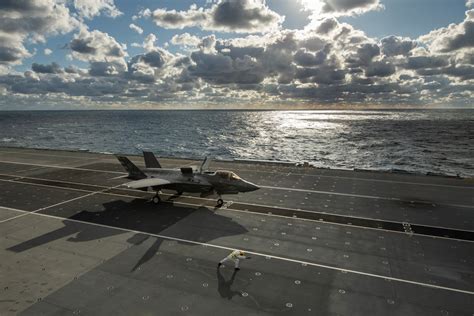
However, this leap in capability comes at a cost. Unlike the Harrier, the F-35B cannot be fielded in large numbers without placing significant strain on defense resources.
Operational Success Does Not Equal Scale
The 2025 global deployment of HMS Prince of Wales demonstrated the Royal Navy’s ability to independently operate a fifth-generation carrier air wing. Over an eight-month mission covering 33,000 miles, the UK successfully conducted high-tempo operations without relying on U.S. Marine Corps aircraft.
This marked a major milestone, proving that Britain could sustain advanced air operations at sea using its own forces and infrastructure.
Yet even at this peak level of performance, the air wing remained relatively small. Maintaining a force of 24 F-35Bs required careful coordination, highlighting the practical limits of fleet size.
The UK has clearly achieved high-quality capability, but not high-volume deployment—a distinction that continues to shape its future planning.
Project Vanquish and the Rise of Hybrid Air Power
Rather than expanding its fleet of expensive crewed fighters, the Royal Navy is pursuing a new approach centered on hybrid air wings.
Launched in 2026, Project Vanquish aims to integrate autonomous and uncrewed systems into carrier operations. The guiding principle is straightforward: “uncrewed where possible, crewed where necessary.”
This strategy leverages rapid advancements in drone technology. Modern uncrewed systems are increasingly capable of performing missions such as:
- Intelligence, surveillance, and reconnaissance (ISR)
- Air-to-air refueling
- Electronic warfare
- Precision strike operations
The goal is not to replace the F-35B, but to enhance its effectiveness. In a hybrid model, F-35Bs act as command platforms, coordinating with drones that extend operational reach and reduce risk to pilots.
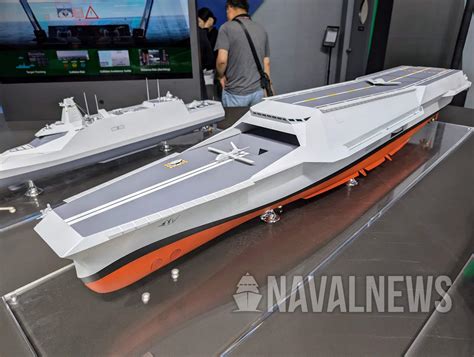
This shift allows the Royal Navy to maintain a powerful air wing without the need for large numbers of costly manned aircraft.
Strategic Dependence and the “Kill Switch” Debate
Another factor influencing UK decisions is the issue of strategic dependence on the United States.
The F-35 program is heavily controlled by the U.S., particularly in terms of software and system updates. This has led to concerns among partner nations about potential restrictions on usage—often referred to as the “kill switch” debate.
While the existence of such a mechanism remains controversial, the broader issue is clear: reliance on a foreign-controlled platform introduces strategic risk.
Recent political tensions and trade disputes have reinforced these concerns. In some cases, the U.S. has reportedly used access to defense technology as leverage in diplomatic negotiations.
In response, the UK has taken steps to strengthen its autonomy, including participation in a European Joint Naval Force that operates independently of U.S. involvement.
Balancing the Fleet: F-35A and Typhoon Upgrades
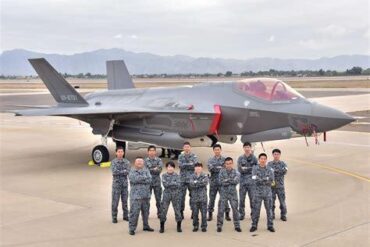
The UK’s procurement strategy also reflects a shift toward balance and flexibility. The acquisition of 12 F-35A aircraft provides a lower-cost alternative for land-based operations, with added nuclear capability under NATO arrangements.
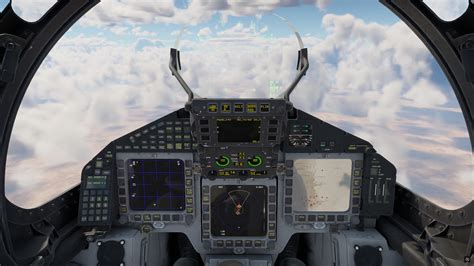
At the same time, the Royal Air Force is investing £650 million to upgrade its Eurofighter Typhoon fleet. These enhancements extend the aircraft’s service life and ensure continued effectiveness until next-generation fighters become available.
This approach reduces the immediate need for additional F-35Bs, allowing the UK to manage costs while maintaining operational readiness.
Carrier Capability vs. Strategic Reality
The Queen Elizabeth-class carriers were specifically designed around the F-35B, featuring ski-jump ramps optimized for short takeoff operations. Technically, they are fully capable of supporting large air wings.
However, the limiting factor is no longer the ships—it is the availability and affordability of aircraft.
Filling both carriers to maximum capacity would require significantly more jets, trained personnel, and logistical support than the UK is currently prepared to sustain.
Instead, the carriers are evolving into multi-role platforms, capable of deploying a combination of crewed fighters, drones, and support aircraft.
A Smarter, More Flexible Force
The Royal Navy’s current trajectory reflects a deliberate strategic choice: prioritizing capability, adaptability, and sustainability over sheer numbers.
A smaller, more advanced air wing—enhanced by autonomous systems—can deliver significant combat power while remaining financially viable. This aligns with broader trends in modern warfare, where networked systems and technological integration often outweigh numerical superiority.
Conclusion: Redefining Carrier Air Power
The vision of British aircraft carriers operating with full complements of F-35B fighters is increasingly becoming a theoretical ideal rather than a practical standard. Financial constraints, technological evolution, and geopolitical considerations are all driving change.
However, this does not represent a decline in capability. On the contrary, the Royal Navy is adapting to a new era of warfare—one defined by flexibility, innovation, and strategic independence.
Rather than focusing on maximizing the number of aircraft on deck, the UK is investing in a future where every platform contributes to a more effective and resilient force.