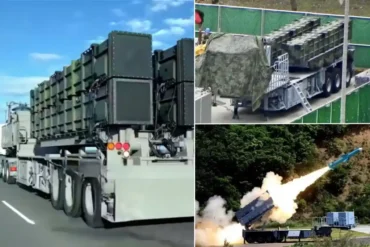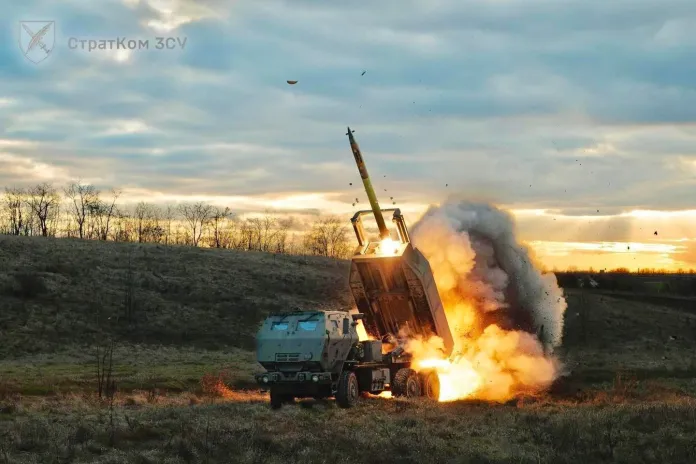
The People’s Liberation Army’s (PLA) massive “Justice Mission 2025” drills marked a strategic pivot in China’s military posture toward Taiwan, highlighting a singular obsession: the U.S.-supplied HIMARS rocket system. Amid rising tensions across the Taiwan Strait, China’s focus on HIMARS underlines the system’s perceived threat to any potential PLA amphibious assault or logistical buildup.
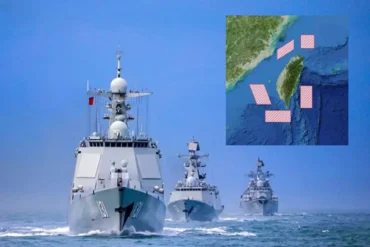
In late December 2025, Beijing executed a high-profile, joint-force exercise encircling Taiwan—an unmistakable signal of China’s military intent. These drills, framed as a “stern warning” against Taiwan’s independence, emphasized precision strikes and long-range bombardments, specifically simulating attacks on HIMARS launchers.
Why HIMARS Became PLA’s Priority Target
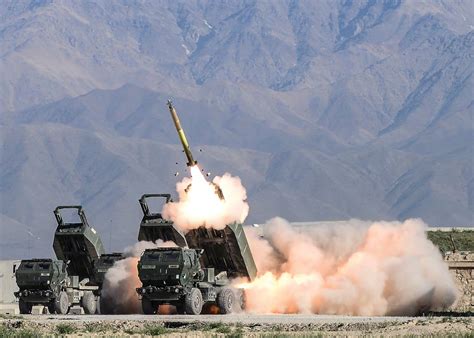
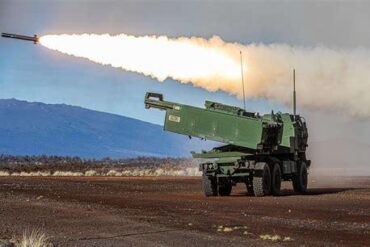
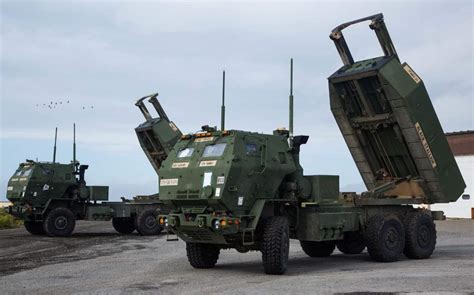
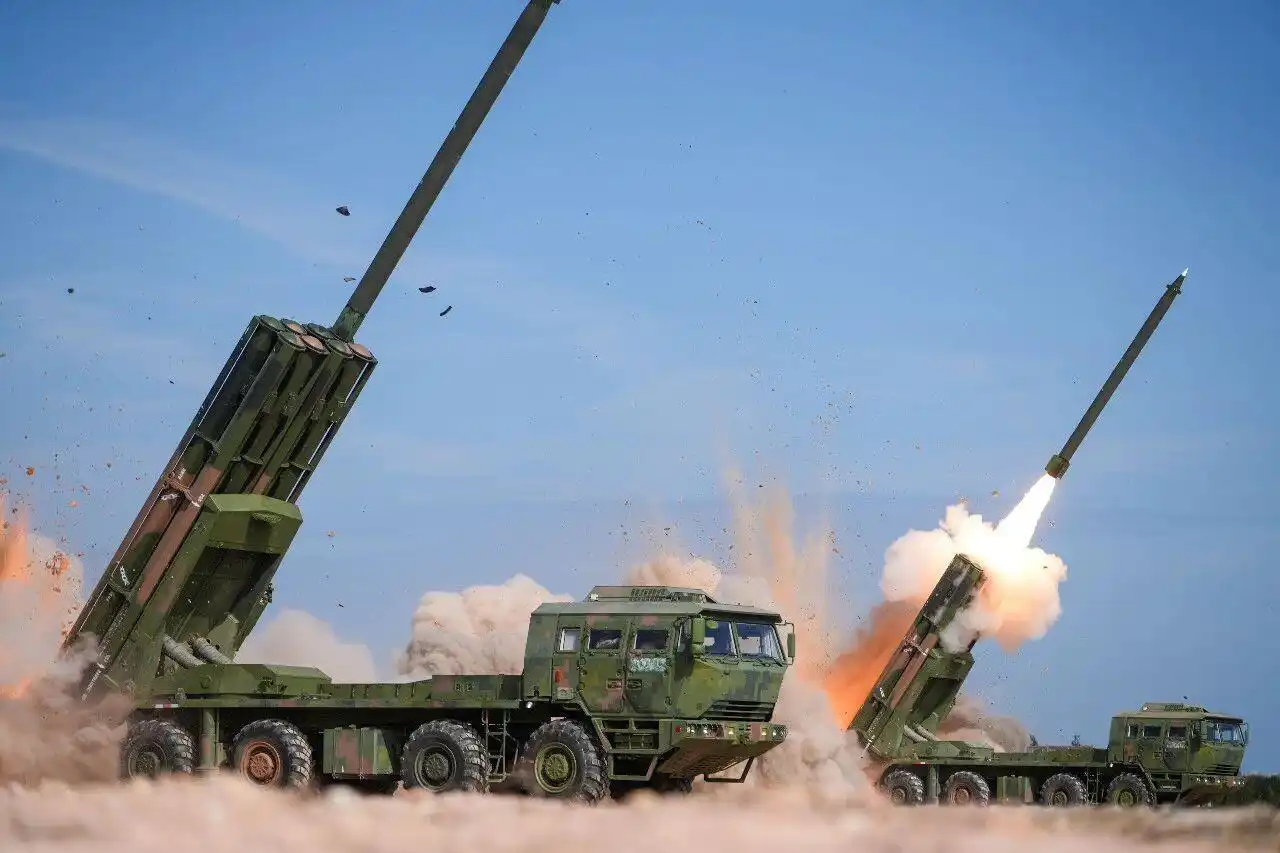
The High Mobility Artillery Rocket System (HIMARS) represents a new level of battlefield asymmetry for Taiwan, empowering the island with mobile, long-range strike capabilities. In the drills, PLA forces reportedly utilized the PCL-191 long-range rocket artillery to strike targets mimicking HIMARS positions. State broadcaster CCTV aired a video showing PLA personnel confirming HIMARS coordinates before launching a barrage—an unmistakable indication of its threat classification.
This concentrated effort to neutralize HIMARS is not incidental. HIMARS’ battlefield track record—especially its role in Ukraine—has transformed it into an operational nightmare for any adversary. HIMARS provides Taiwan with:
- “Shoot-and-scoot” mobility, evading retaliation with swift relocation.
- Strike range up to 300 km using ATACMS, enough to reach deep into Fujian Province.
- Capability to delay or degrade amphibious assaults by targeting assembly points, staging areas, and ports.
- Deep counterstrike potential to hit PLA’s rocket batteries and logistics infrastructure.
According to Su Tzu-yun from Taiwan’s Institute for National Defence and Security Research (INDSR), HIMARS’ ability to strike behind PLA lines during an amphibious landing could be a decisive factor in blunting or even derailing a Chinese invasion attempt.
HIMARS and the $11 Billion U.S. Arms Package
Washington’s recent arms package to Taipei includes 82 HIMARS units and 420 ATACMS missiles, in addition to the Tactical Mission Network (TMN). This backbone system enhances HIMARS capabilities by enabling distributed targeting and sensor integration, accelerating decision-making and bolstering resistance to cyber interference.
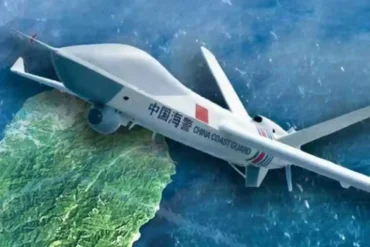
With such tools in Taiwan’s arsenal, China’s drills not only targeted HIMARS directly but also simulated interceptions at sea of suspected shipments—a nod to potential blockades of Taiwan’s ports to sever its military supply lines. These simulations extended to PLA Navy and Coast Guard boarding operations, reaffirming a strategy that blends long-range firepower with maritime interdiction.
Deception and Targeting Practice in Chinese Training
China’s preparations appear to include extensive OPFOR-style training. In August 2025, mock-ups resembling Taiwanese HIMARS surfaced in mainland exercises, painted with camouflage patterns identical to Taiwan’s. Some unconfirmed reports even suggested they were equipped with infrared transmitters to mimic HIMARS’ thermal signatures, enhancing PLA’s ability to detect and destroy these systems in real combat.
Such impersonation tactics provide realism in training, allowing troops to refine vehicle recognition, thermal tracking, and sensor fusion targeting. For Beijing, familiarity with the HIMARS profile improves kill-chain precision and compresses engagement timelines.
The Ukraine Precedent: HIMARS’ Combat Reputation
Much of China’s anxiety stems from HIMARS’ performance in Ukraine. Introduced in mid-2022, the system enabled Ukrainian forces to:
- Decimate Russian ammo depots and command centers.
- Sever critical supply lines by destroying bridges and transport hubs.
- Neutralize key air defense and electronic warfare units.
- Conduct deep strikes while staying mobile enough to evade retaliation.
The U.S. initially hesitated to supply Ukraine with ATACMS due to escalation risks, but after lifting restrictions in 2024, HIMARS-ATACMS combos struck targets inside Russia, catching Kremlin forces unprepared. The missiles’ GPS-guided accuracy, high-speed deployment, and low collateral footprint made them invaluable.
Russia’s response—spreading out logistics, improving electronic warfare capabilities, and launching HIMARS-hunting missions—reflects just how disruptive the system was. For Beijing, the Ukrainian theater offered a painful case study: HIMARS can change the tempo of war.
Vulnerabilities and Chinese Countermeasures
Despite its power, HIMARS is not invincible. Chinese military doctrine emphasizes surveillance dominance, leveraging drones, satellites, and radar networks to track mobile launchers. The system’s survivability hinges on camouflage, rapid repositioning, and deception.
Defense expert Nitin J Ticku notes that while HIMARS can frustrate real-time targeting, China’s ISR and missile saturation capacity could overwhelm dispersed launchers if they linger. The PLA’s focus on neutralizing HIMARS in the earliest hours of a Taiwan operation suggests an effort to avoid the pitfalls that Russia faced.
Moreover, China’s integrated exercises with its Rocket Force, Cyber Command, and Electronic Warfare divisions reflect a multi-pronged approach—one that not only targets launchers physically but also aims to degrade their communications, sensor inputs, and satellite navigation.
A Race Against Time in a Taiwan Contingency
The essence of HIMARS’ value lies in its timing. If Taiwan can deploy and strike early in a PLA invasion, it may stall landings, sink transports, and complicate logistics. However, the window for effective counterstrike is narrow.
Given the geography of the Taiwan Strait and the short flight time of ATACMS (around 7 minutes to targets in mainland China), the early stages of any war would be a frenzy of preemptive launches, tracking, and retaliation. Both sides know the clock favors whoever acts faster.
Should HIMARS survive the initial PLA bombardment, it could:
- Strike PLA command centers along the Fujian coast.
- Interrupt maritime reinforcement corridors.
- Cripple supply dumps and airfields essential to sustaining a prolonged assault.
Yet, the success of such strikes depends heavily on secure battlefield communication, rapid targeting integration, and evasion of PLA’s robust electronic warfare umbrella.
Conclusion: Why HIMARS is Taiwan’s Strategic Equalizer
As China expands its military drills and sharpens its focus on neutralizing HIMARS, the system’s psychological and tactical weight grows. For Taiwan, HIMARS isn’t just another missile launcher; it’s a strategic equalizer—a mobile shield capable of delaying or derailing a superior invasion force.
The message from Justice Mission 2025 is clear. Beijing is preparing to hunt HIMARS relentlessly, simulating not just physical destruction but supply interdiction, cyber sabotage, and information denial. But as seen in Ukraine, HIMARS thrives on agility, resilience, and speed. If Taiwan can mirror that, it might just tip the balance in its favor during the critical first days of conflict.